
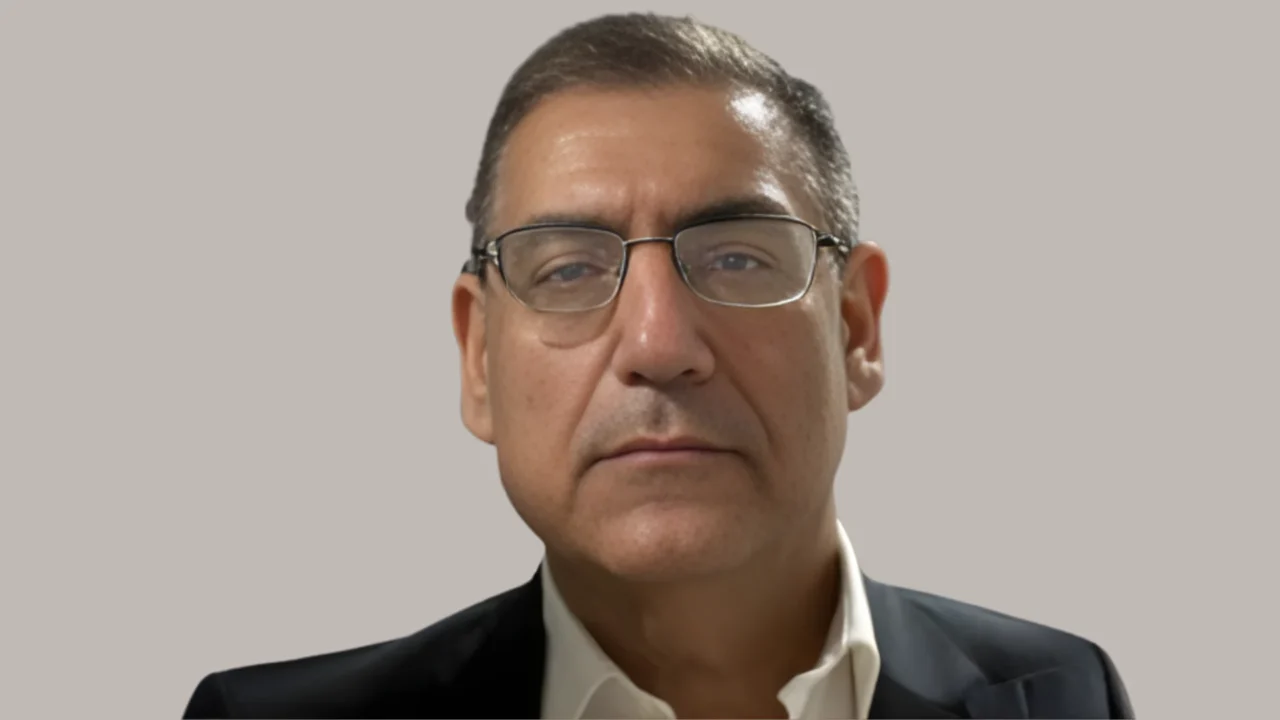
Timothy Allen: Cell and Gene Therapy as Grade-3 Innovation
Timothy Allen, Chief Scientific Officer at Nexus Alliance Biopharma, shared a post o LinkedIn:
“Cell and Gene Therapy as Grade-3 Innovation: From Orphan Strategy to Clinical Care
Cell and gene therapy (CGT) is no longer speculative science. The real question today is not whether these technologies work, but when, for whom, and how far they can go – especially for patients who are already affected by disease.
Can CGT correct the underlying defect?
Yes, in principle. When a condition is driven by a genetic defect or a dominant molecular pathway, CGT can correct, replace, or silence the root cause. Feasibility depends on timing, tissue viability, and disease biology – not hype.
Can CGT help patients who are already symptomatic?
Often yes, but outcomes are stage-dependent. If target cells remain viable and irreversible damage (fibrosis, necrosis, structural loss) is limited, partial functional recovery is realistic. In advanced disease, the goal shifts to stabilization, slowing progression, and preserving remaining function rather than full reversal.
What is the next clinical step?
The critical milestone is demonstrating causal reversibility—showing that correcting the defect restores function, not just biomarkers. This requires human-relevant models, proof of functional rescue, and a clear modality strategy (gene replacement, gene editing, RNA modulation, immune-reset CGT, or cell therapy). First-in-human programs are typically Phase 1/2a studies with small cohorts, dose escalation, functional endpoints, and long-term follow-up.
Where does cell therapy add value?
When disease has depleted cells or disrupted tissue architecture, cell therapy becomes essential – often combined with gene correction. The most advanced programs now integrate gene + cell therapy as a single, durable solution rather than treating them as separate silos.
Why this is a Grade-3 technology and orphan opportunity
CGT sits firmly in the Grade-3 innovation category: high-impact, mechanism-driven, and capable of redefining standards of care. Rare, serious diseases with limited or no effective therapies are strong candidates for Orphan Drug designation in both the U.S. and Europe. With early evidence of meaningful clinical benefit, Breakthrough designation becomes achievable, accelerating development and access.
TakeCharge Medical and Nexus Alliance Biopharma’s role
Together, TakeCharge Medical and Nexus Alliance Biopharma bring the regulatory, clinical, and operational depth required to develop these opportunities end-to-end—spanning orphan strategy, U.S. FDA and EMA pathways, clinical trial design, long-term safety and patient management, and real-world integration into care delivery. Our focus is on translating advanced CGT programs into scalable, compliant, and durable clinical solutions.
We look forward to partnering with small, mid-size, and large companies ready to move cell and gene therapy from innovation into real clinical impact—making CGT a core component of modern patient care.”
Stay updated on all scientific advances in the field of fertility with Fertility News.
-
Oct 11, 2025, 06:44The Global IVF Market Is Set to Reach $65B by 2032 – Meddilink
-
Mar 16, 2026, 13:30Simon Meagher and Rabih Chaoui Discuss Fetal Heart Scanning in the Latest ISUOG Podcast – ISUOG
-
Mar 16, 2026, 12:58Exploring the Link Between Adenomyosis and Proliferative Endometrial Disorders – Fertility and Sterility
-
Mar 16, 2026, 12:55Nicola Pozzi: A New Mechanism to Reduce Thrombus Formation Without Increasing Bleeding Risk
-
Mar 16, 2026, 12:44Endometriosis Awareness Month Virtual Issue! – ISUOG
-
Mar 16, 2026, 12:30Jeanne Conry: When the Government Intervenes, Women Die
-
Mar 16, 2026, 12:23Magdalena Simonis Highlights the Need to Change the Rhetoric on Endometriosis
-
Mar 16, 2026, 12:00Julia Chain Highlights Fertility Preservation as Part of Women’s Health Campaign – HFEA
-
Mar 15, 2026, 15:26Watching Life Begin: Scientists Track Embryo Implantation in Real Time! – Science Magazine
-
Mar 15, 2026, 15:03Reem Abu-Rustum Spotlights Fetal Situs in New ISUOG Quiz – ISUOG