
AMWA Advocates for Equitable Care in Endometriosis Treatment – Womb WatchAI
Womb WatchAI shared a post by American Medical Women’s Association (AMWA) on LinkedIn:
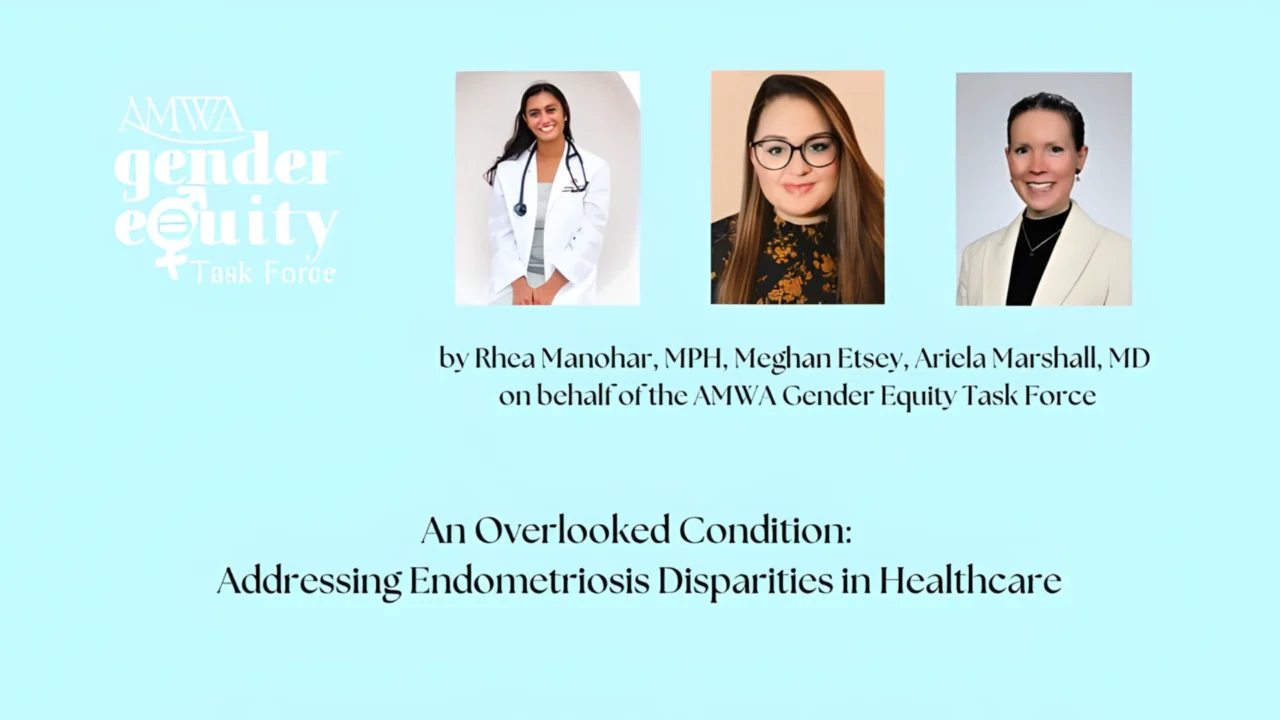
“American Medical Women’s Association (AMWA) AMWA GETF’s focus on endometriosis disparities affecting Black and Hispanic women who face compounded barriers from both gender bias and racism within healthcare systems addresses how diagnostic delays aren’t uniformly distributed but concentrate among populations already experiencing systemic medical neglect. The emphasis on ‘culturally competent, patient-centered care’ recognizes that equity requires more than just access; it demands providers who understand how race, culture, and socioeconomic factors shape symptom presentation, healthcare utilization, and treatment adherence patterns.
This intersectional approach aligns with why Womb WatchAI prioritizes accessible technology comprehensive symptom tracking that works across diverse populations and socioeconomic contexts provides tools for self-advocacy when structural barriers prevent timely diagnosis. When Black and Hispanic women can document their symptoms objectively over time, it strengthens their position against dismissal rooted in racist assumptions about pain tolerance or truthfulness. Technology alone can’t eliminate healthcare disparities, but accessible tools paired with systemic advocacy create multi-level intervention addressing both individual empowerment and institutional transformation.
Critical equity work.
EQUITY-CENTERED TOOLS:
Accessible across communities
Join the Beta Waitlist.
Support Our Research.
Learn More.
Research Fund.”
Quoting AMWA’s post:
“Endometriosis affects 10–15% of women, yet far too many endure years of misdiagnosis, dismissal, and pain—especially those in underserved communities, including Black and Hispanic women.
Healthcare disparities, delayed diagnoses, and limited access to specialists only worsen outcomes.
The AMWA Gender Equity Task Force (GETF) is working to change that—by advocating for inclusive research, equitable policy, and culturally competent, patient-centered care that doesn’t leave anyone behind.
Our latest blog post explores the systemic issues fueling gaps in endometriosis care—and how we can move toward real solutions.
Read the blog.
Join GETF.”
Stay updated on all scientific advances in the field of fertility with Fertility News.
-
Oct 11, 2025, 06:44The Global IVF Market Is Set to Reach $65B by 2032 – Meddilink
-
Mar 16, 2026, 13:30Simon Meagher and Rabih Chaoui Discuss Fetal Heart Scanning in the Latest ISUOG Podcast – ISUOG
-
Mar 16, 2026, 12:58Exploring the Link Between Adenomyosis and Proliferative Endometrial Disorders – Fertility and Sterility
-
Mar 16, 2026, 12:55Nicola Pozzi: A New Mechanism to Reduce Thrombus Formation Without Increasing Bleeding Risk
-
Mar 16, 2026, 12:44Endometriosis Awareness Month Virtual Issue! – ISUOG
-
Mar 16, 2026, 12:30Jeanne Conry: When the Government Intervenes, Women Die
-
Mar 16, 2026, 12:23Magdalena Simonis Highlights the Need to Change the Rhetoric on Endometriosis
-
Mar 16, 2026, 12:00Julia Chain Highlights Fertility Preservation as Part of Women’s Health Campaign – HFEA
-
Mar 15, 2026, 15:26Watching Life Begin: Scientists Track Embryo Implantation in Real Time! – Science Magazine
-
Mar 15, 2026, 15:03Reem Abu-Rustum Spotlights Fetal Situs in New ISUOG Quiz – ISUOG