
Tony Gordon: How Many Cells are There in an Embryo Biopsy?
Tony Gordon, Senior Director of Clinical Strategy and Market Development at CooperSurgical Fertility Solutions, shared a post on LinkedIn:
“How many cells are there in an embryo biopsy? Well nobody really knows!
Why is that important? Years and years ago my colleagues at bluegnome led by Philippa Burns burns did some great work with PicoPlex and picked 1/3/5/10 cell references to show that 5 cells was where WGA started to work best for PGT-A in terms of lowest noise. Also publications have shown that taking more than 10cells is deletrious to embryo development. So the dogma became to take 5-10 cells per biopsy. <5cells more noise. >10cells too many. But can an embryologist look down a microscope at time of biopsy tell how many cells are in the biopsy? It’s quite a challenge. So what to do?
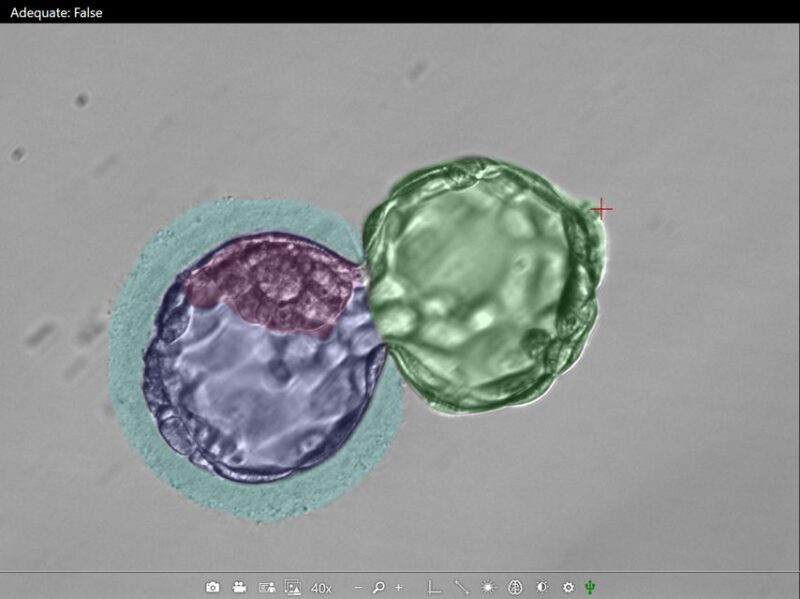
My super talented R and D colleagues Zhilin Liu Alexander Griffith Chris Weier Kate Brown, PhD are presenting at the CRB next week their poster ‘How Many Biopsy Cells Are Enough? Can Real-Time Vision Guided Trophectoderm Biopsy Drive Optimal Biomass Volume, Ensure Sampling Consistency, and Adequate PGT-A Data Quality?’
So what is it? ‘Digital Biopsy Assistant’ It’s a real time imaging system that informs the embryologist how many cells are in a biopsy and when sufficient number of cells have been drawn into the pipette. Then it confirms the size of the biopsy. r2=93 correlation between Digital Biopsy Assistant and DAPI counting cells in a biopsy.
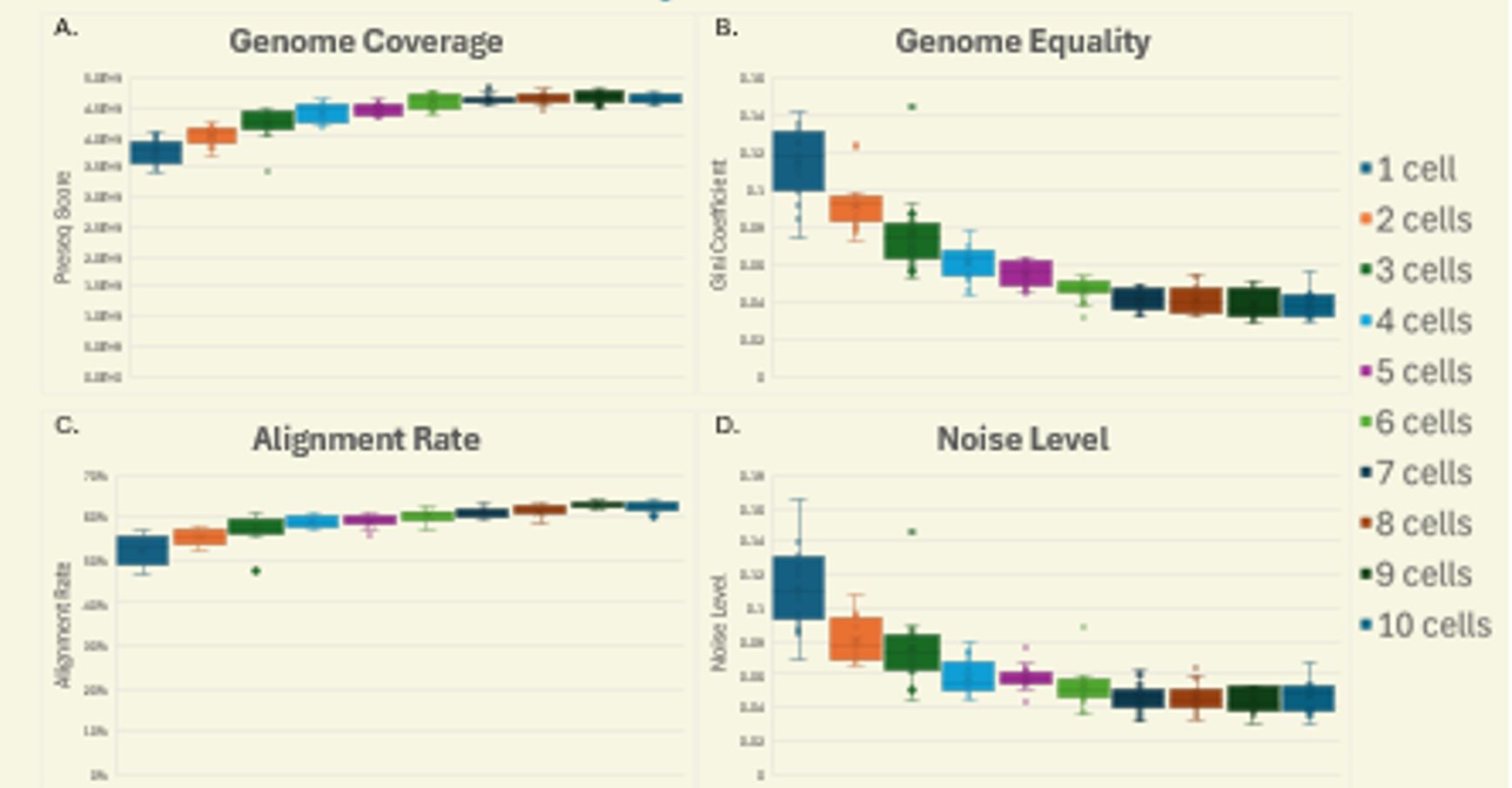
Zhilin and the team have then gone on to look at the number of cells in a biopsy and shown how number of cells correlates with NGS sequencing alignment, PGT-A genomic coverage, equality and MAPD noise. It data so far shows that getting +5 cells produces the best PTA based PGTA.
Such a cool combo of embryology imaging and PGT-A. It’s early days for this tech but standardizing biopsy process looks like it can improve NGS quality and reduce NGS noise.”
Stay updated on all scientific advances in the field of fertility with Fertility News.
-
May 4, 2026, 18:02Marco Zaccaria: Uterine Flexion Angle and the Risk of Adenomyosis
-
May 4, 2026, 17:55Dominika Jasińska-Stasiaczek: HARTUS Brings Ultrasound, Hysteroscopy and Reproductive Medicine Together
-
May 4, 2026, 17:51Chiara Metelli: Grateful to Eugin Group for the Invitation to EBART 2026!
-
May 4, 2026, 17:47Shreyasi Sharma: First Trimester Cardiac Assessment in Fetal Medicine
-
May 4, 2026, 17:44Vipin Chandra: The Emotional Burden of IVF We Still Overlook
-
May 4, 2026, 11:51Ursula Catena: Leadership and Innovation in Hysteroscopy at HARTUS Congress
-
May 4, 2026, 11:42Christopher Robinson: The Prognostic and Clinical Significance of Cervical Stromal Invasion in Endometrial Cancer
-
May 4, 2026, 11:38Jason Knight: Celebrating 75 Years of ACOG Excellence!
-
May 4, 2026, 11:37Ibukun Okanlawon: Blastocyst Development After Overnight IVM of MI Oocytes