
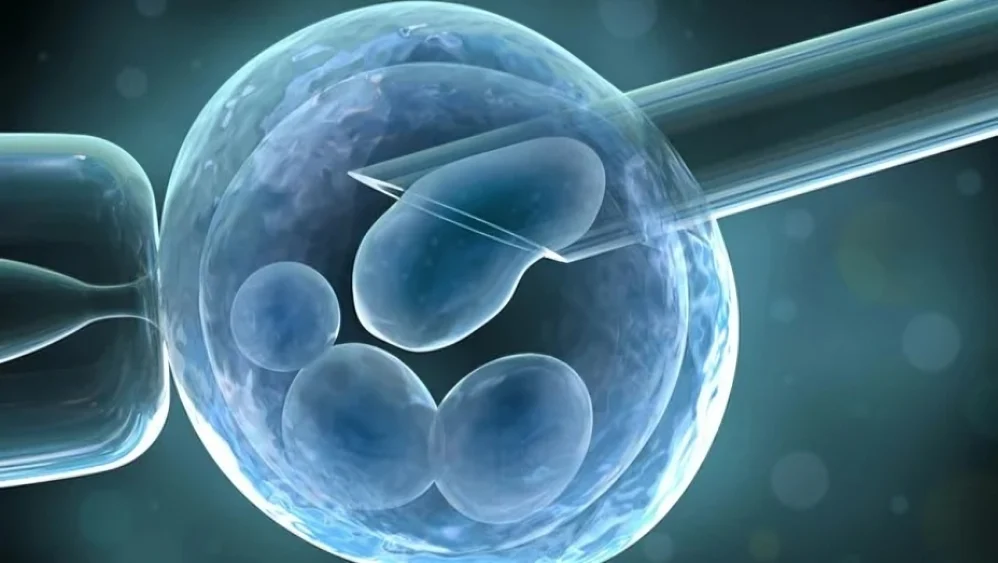
Eric Lameignere: Can AI Transform IVF Outcome Prediction Beyond Embryo Selection?
Eric Lameignere, Co-Founder of MovaLife Microrobotics, shared a post on LinkedIn about a paper by Qiang Gao et al. published in npj Digital Medicine։
“Can AI transform IVF outcome prediction beyond embryo selection?
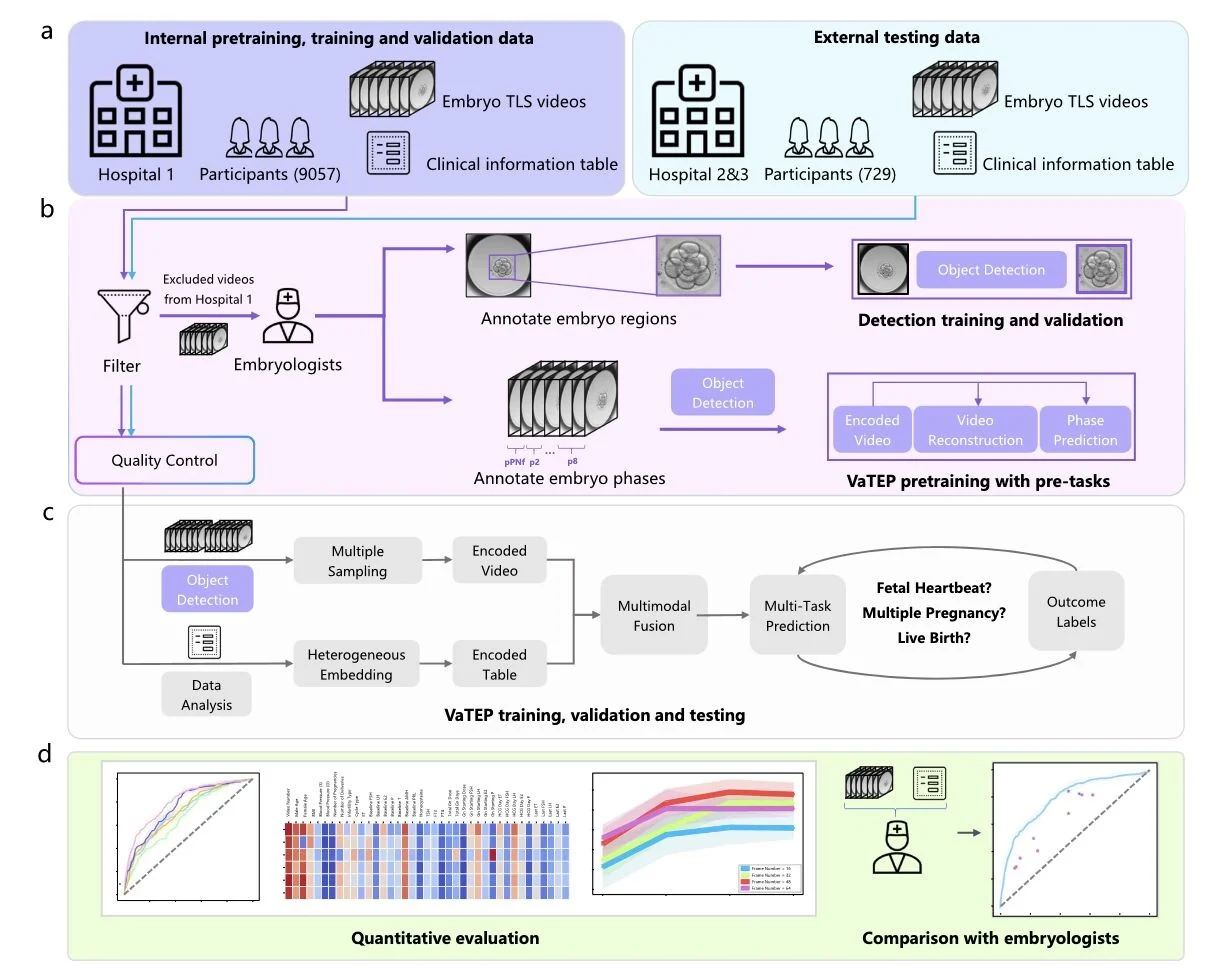
A study recently published in npj Digital Medicine (Nature Portfolio) introduces VaTEP, a multimodal AI model designed to predict several key IVF outcomes by combining time-lapse embryo videos with clinical patient data
Unlike many existing AI tools focused solely on implantation or embryo viability, VaTEP simultaneously predicts:
- Fetal heartbeat
- Singleton vs. multiple pregnancy
- Miscarriage vs. live birth outcomes
The study included data from 9,786 IVF patients across three fertility centers, leveraging both embryo morphokinetic information and clinical variables such as maternal age, paternal age, AMH, FSH, BMI, and endometrial thickness.
The Result:
- AUC 0.80 for fetal heartbeat prediction
- AUC 0.88 for singleton vs. multiple pregnancy prediction
- AUC 0.93 for live birth vs. miscarriage prediction
The multimodal approach consistently outperformed models relying solely on embryo videos or clinical data. The study also showed performance exceeding that of experienced embryologists, particularly in complex and borderline cases where expert opinions diverged.
These findings reinforce a key message for reproductive medicine: the future of IVF will not be driven by a single data source. Instead, it will rely on the integration of multiple biological, clinical, and embryological signals analyzed through increasingly sophisticated AI models.
MovaLife microrobotics’ microfluidic technology aims to perform the entire critical workflow of IVF on a single integrated microfluidic chip, from sperm preparation and selection to downstream reproductive procedures. By consolidating these steps into one platform, it becomes possible to generate a highly consistent and harmonized dataset across the entire IVF journey.
As IVF increasingly becomes a data-driven discipline, such standardized and longitudinal data streams could become invaluable for next-generation AI models.
The combination of microfluidics and artificial intelligence may enable the development of even more powerful predictive tools, helping clinicians optimize treatment strategies, improve reproductive outcomes, and further personalize patient care.”
Title: Multimodal intelligent prediction model for in vitro fertilization.
Authors: Qiang Gao, Siqiong Yao, Dan Du, Fan Yang, Ping Yu, Shouneng Quan, Renyi Hua, Lihua Zhao, Anquan Shang1, Hui Lu, Chaoyan Yue.
You can read the Full Article in npj Digital Medicine.

Stay informed with the latest updates in fertility and reproductive medicine on Fertility News.
-
Oct 23, 2026, 17:34Breast Cancer Awareness Month: Supporting Women Through Every Journey – Egg Donor and Surrogate Solutions
-
Oct 23, 2026, 17:28Demián Glujovsky: What Happens to Fertility Patients Between Visits?
-
Oct 23, 2026, 17:21Stephen Parker Ellington: Empathetic Fertility Care Can Scale, Even When Your Team Can’t
-
Oct 23, 2026, 17:16ACOG Releases New Guidance on the Use of GLP-1s in Pregnancy and Lactation
-
Oct 23, 2026, 17:06Emad Sedeek: ESHRE Recommendations on Good Practice in the IVF Laboratory 2026 – Part 2
-
Oct 23, 2026, 16:59Nitiz Murdia: Guiding You Through IVF – Your Journey’s Pilot
-
Oct 23, 2026, 16:56Ben Peipert: Come See My Poster Presentation at ASRM 2026
-
Oct 23, 2026, 16:50New RBMO Review Examines Benefits and Risks of Freeze-All IVF Strategies Across Ovarian Response Groups
-
Oct 23, 2026, 16:381 Week and Counting to the Next Campus Course on Male Infertility – ESHRE