

Somil Singhal: Performing ICSI on an Egg with No Shell
Somil Singhal, Medical Doctor at AIIMS (All India Institute of Medical Sciences, New Delhi), shared on LinkedIn:
“What to do in case of low motility and an egg with no zona?
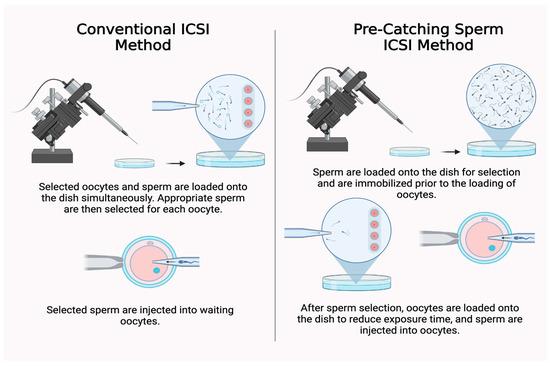
In situations where low sperm count or low sperm motility is a factor, a single sperm is injected directly into each mature egg. ICSI is utilized when frozen donor or partner sperm is utilized, or as well as when donor or patient eggs are thawed for fertilization.
In standard ICSI, about 50,000 sperm are added to each egg in a petri dish, allowing the sperm to penetrate the eggs naturally.
In cases where the sperm are unable to fertilize the egg on their own, it is necessary to employ ICSI to inject the sperm directly into the egg.
If a sperm sample is considered ‘borderline,’ some eggs may be injected while others are given the chance to fertilize naturally in the petri dish.
In cases that require ICSI, the male partner provides a sperm sample, and to analyzes the sample and isolates the strongest and best-swimming (motile) sperm to be used for insemination.
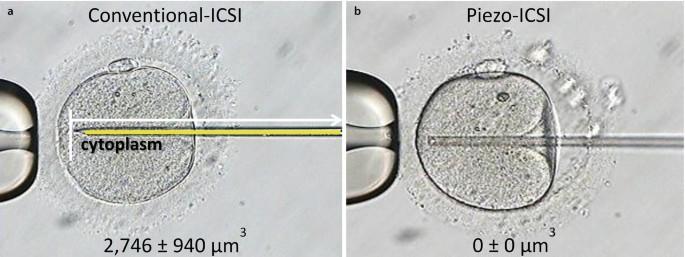
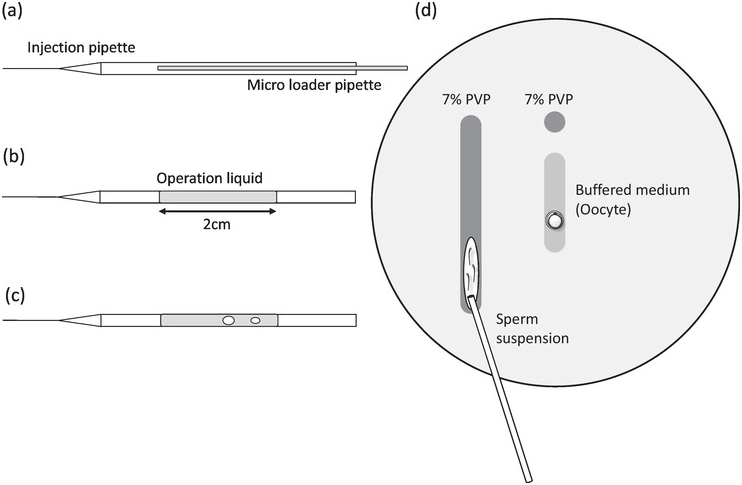
To perform ICSI, each egg is held by gentle suction in a glass pipette, and a single sperm is injected through the zona (shell) of the egg using a tiny glass microneedle.
The sperm is deposited deep into the innermost part of the egg (cytoplasm) and the needle is withdrawn.
Preimplantation Genetic Testing for Aneuploidy
Chromosomes are the structures found within cells that contain genetic material (DNA). Normally, chromosomes come in 23 pairs. PGT-A helps us identify embryos with too many or too few chromosomes or structural defects.
There are four possible results from PGT-A testing: euploid, aneuploid, mosaic, and inconclusive.
Euploid: This is a normal result and means that we detected 23 pairs of chromosomes in the embryo culture. These embryos are most likely to result in a live birth and have the lowest chance of miscarriage.
Aneuploid: This is an abnormal result that means we detected at least one chromosomal abnormality in the embryo culture. Aneuploid embryos rarely result in healthy pregnancies, so don’t recommend transferring them.
Mosaic: This result means there is some risk of extra, missing, or damaged chromosomes in some, but not all, cells in the embryo culture. Embryos with mosaic results may result in healthy live births but aren’t typically as successful as euploid embryos.
Inconclusive: Inconclusive results occur in approximately 2% of embryos and means that our genetic testing laboratory was unable to obtain a clear result from the embryo culture. It doesn’t necessarily indicate a problem with the embryo; it’s simply a known limitation of testing a small amount of genetic material.
Embryos created from eggs retrieved while a woman is in her 20s and early 30s have a 30-50% chance of exhibiting an abnormal result, while embryos created from eggs retrieved after a woman reaches the age of 40 increases to 70-90%.
Preimplantation Genetic Testing for Structural Rearrangements
PGT-SR is utilized by individuals diagnosed with a balanced translocation, inversion, or other type of chromosomal rearrangement. In these situations, PGT-SR can improve the chances of a successful pregnancy and lower the risk of miscarriage by selecting embryos that have the correct amount of chromosomal material.
PGT-M is used by individuals or couples at high risk of having a pregnancy with a specific inherited disease.PGT-M is typically feasible for any condition for which a specific genetic mutation has been identified in a person undergoing IVF, including cystic fibrosis, hereditary breast and ovarian cancer syndrome (BRCA1 or BRCA2), fragile X syndrome, Huntington’s disease, Marfan syndrome, Tay-Sachs disease, spinal muscular atrophy, and sickle cell anemia.
Frequently asked questions?
How long can my eggs be kept frozen?
Technically speaking, eggs can be frozen for as long as you want and still be viable. The egg freezing process involves using special substances that prevent ice crystals from forming that could damage your eggs during freezing and thawing.
What if I don’t use all my eggs?
If you don’t use your frozen eggs or have some left over after starting your family, you may be able to donate them to a family in need. You may also be able to donate them to research. Some individuals prefer to dispose of their unused eggs.
What if I get pregnant naturally before using my frozen eggs?
Some women become pregnant naturally after deciding to freeze their eggs as a precaution. It is recommended before using stored eggs, one can choose to keep frozen eggs in storage and use them for another pregnancy in the future or donate them.
Fresh vs. Frozen Eggs
When it comes to donor egg services, you have options. In a fresh egg donation cycle, a pre-screened and approved egg donor is stimulated Following the egg retrieval procedure, the donor eggs are fertilized immediately with sperm from the intended parent or a sperm donor.
This process differs from a frozen egg donation cycle, where frozen eggs from a pre-screened, approved egg donor are thawed and then fertilized with sperm from the intended parent or a sperm donor.
The frozen eggs may be from a donor
Whether to pursue a fresh or frozen egg donation cycle, Donor Egg will work to identify the best fit for family.
Types of Fertility Medications
There isn’t a one-size-fits-all approach to fertility treatment. Every aspiring parent has unique health circumstances and family-building goals. Common fertility medications include:
Letrozole
Letrozole is an oral medication frequently used in fertility treatment to induce or enhance ovulation. It works by blocking a substance called aromatase, which reduces the level of estrogen in the body.
When estrogen levels decrease, the body responds by secreting hormones that aid in the induction of ovulation. Patients typically take letrozole at dosages of 2.5 mg, 5 mg, or 7.5 mg daily for a duration of five days.
Side effects are generally mild and include dizziness, fatigue, and hot flashes. Overall, letrozole is safe and highly effective, especially for patients experiencing conditions that impact ovulation, like polycystic ovarian syndrome (PCOS).
Clomiphene (Clomid)
Clomid is an oral medication that stimulates the production of ovarian follicles that will produce an egg. It’s often prescribed to women who experience irregular ovulation or do not ovulate.
Patients should take Clomid at approximately the same time each day, and the usual treatment course is five days in total.
Clomid is considered to be the first step in treating infertility and is cost-effective and less invasive compared to other types of fertility treatment cycles. Common side effects include nausea, bloating, and mood changes. There is also a higher risk of a multiple pregnancy (roughly a 7% chance of twins).
Therefore, Clomid isn’t recommended for women who are unwilling or unable to carry a twin pregnancy.
Fertility Injections
Fertility injections are commonly used during an ovarian stimulation cycle for IVF or egg freezing and may include:
Gonadotropins: These injections stimulate the ovaries to mature multiple follicles simultaneously. There are two types of gonadotropins: FSH and HMG. The patient injects FSH via a ՛pen needle՛ and HMG with a traditional syringe. Both injections are administered under the skin with a small needle (the subcutaneous route).
GnRH antagonists: These injections suppress the release of the luteinizing hormone (LH), helping prevent premature ovulation. Like gonadotropins, they’re also administered through the subcutaneous route.
GnRH agonists: GnRH agonists suppress the natural hormones released during a cycle, preventing premature ovulation. They are also administered via the subcutaneous injection route.
Trigger shot: The trigger shot mimics the natural surge of luteinizing (LH) in the body, finalizing the maturation process of the stimulated eggs and preparing your body for retrieval. Various trigger medications may be used, including a ՛combination trigger.՛ This shot includes hormones like human chorionic gonadotropin (HCG). Once you take the first trigger injection, ovulation occurs within 36 hours. It’s crucial to take the trigger shot at the specific time instructed by your fertility team to avoid premature ovulation. Trigger medications are administered via subcutaneous injection.”
Proceed to the video attached to the post.
Other articles featuring Somil Singhal on Fertility News.
-
Sep 13, 2026, 15:11Sachintha Alwis: From Impaired Sperm Motility to Microrobotics
-
Sep 13, 2026, 15:08Laurence Orbuch: Before Endometriosis Surgery, Ask…
-
Sep 13, 2026, 15:05Ademola Ayodele: IUI, IVF or Egg Freezing – Which One Is Right for You?
-
Sep 13, 2026, 14:59Fiona Pathiraja-Møller: Tennis Players No Longer Have to Choose Between Career and Family
-
Sep 13, 2026, 14:571-Day Virtual Experience for People Impacted by PMOS – PCOS Awareness Association
-
Sep 13, 2026, 14:53Ozor Victor: Behind Every Embryo Is a Story of Science, Precision, and Hope
-
Sep 13, 2026, 14:50Diana Kayal: What They Don’t Tell You About IVF
-
Sep 13, 2026, 14:44Vikram Sinai Talaulikar: A Heartfelt Thank You to All Who Donated and Supported “Menopause and Cancer”
-
Sep 13, 2026, 14:41Nicole McPherson: Changing IVF Practices Is Hard – Integration Needs to Be Easy