
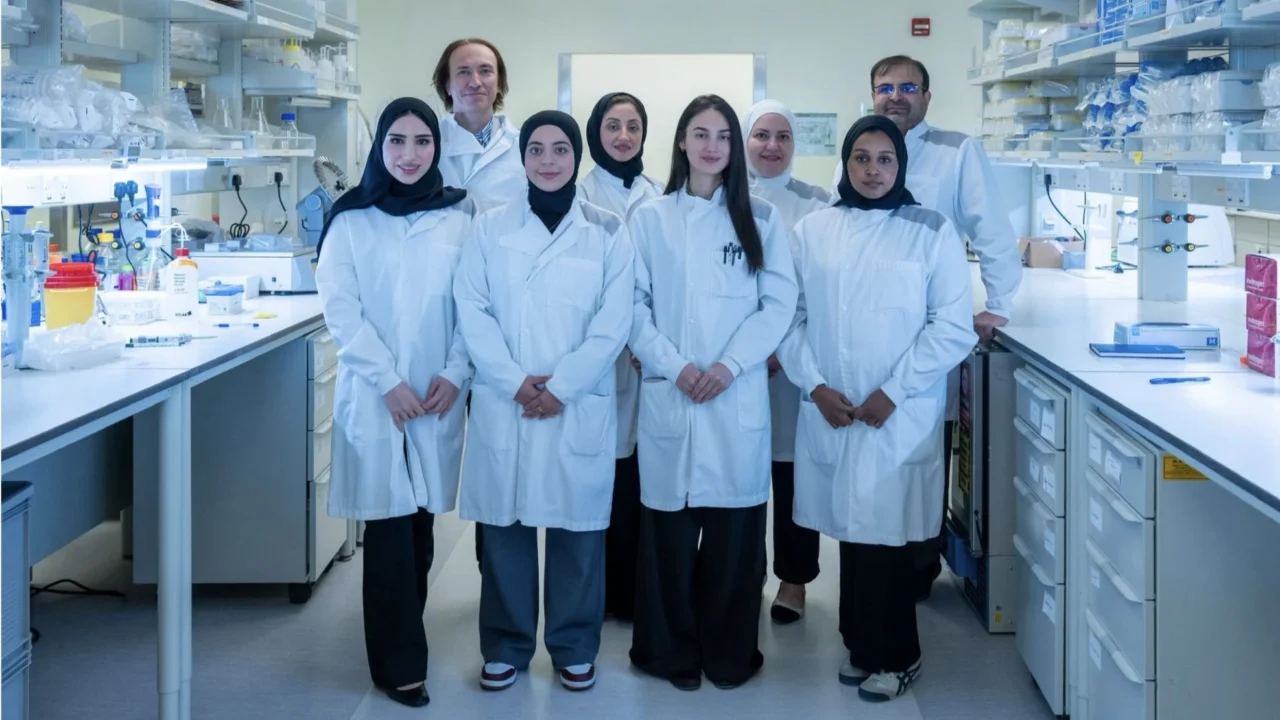
Khalid Fakhro: Targeted Activation Protocol Transforms Fertilization Outcomes
Khalid Fakhro, Chief Research Officer at Sidra MedicineSidra Medicine, shared a post on LinkedIn:
“Sidra Science Highlights 2025:
Story 5 – From the Clinic to the Lab and Back: Solving Unexplained Infertility
Over the last few days, we’ve shown how our research programs bridge the gap between bedside and bench for immune disorders and diabetes. Today, we highlight that same seamless collaboration in another critical area: Reproductive Medicine.
The Challenge:
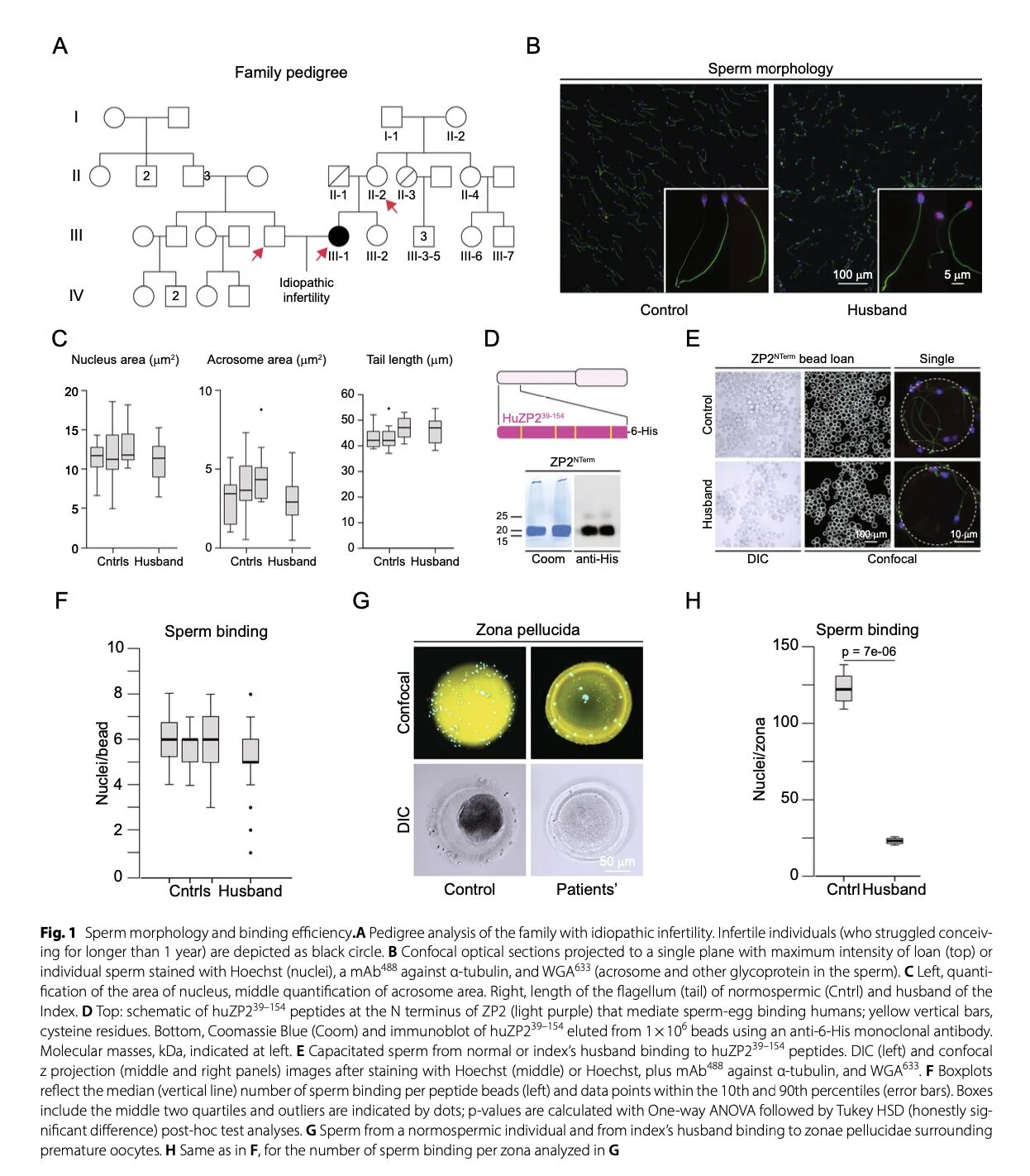
Infertility affects millions of couples globally, and perhaps the most devastating diagnosis a couple could receive is ‘Unexplained Total Fertilization Failure’ (TFF) — where, despite healthy-looking sperm and eggs, fertilization simply never happens.
The Approach:
Solving these cases requires a ‘tight loop’ between the IVF Clinic and the research bench. At Sidra Medicine, the Laboratory of Reproductive Biology, led by Matteo Avella, works directly with clinicians to turn these ‘impossible’ cases into answers.
The Clinical Breakthrough:
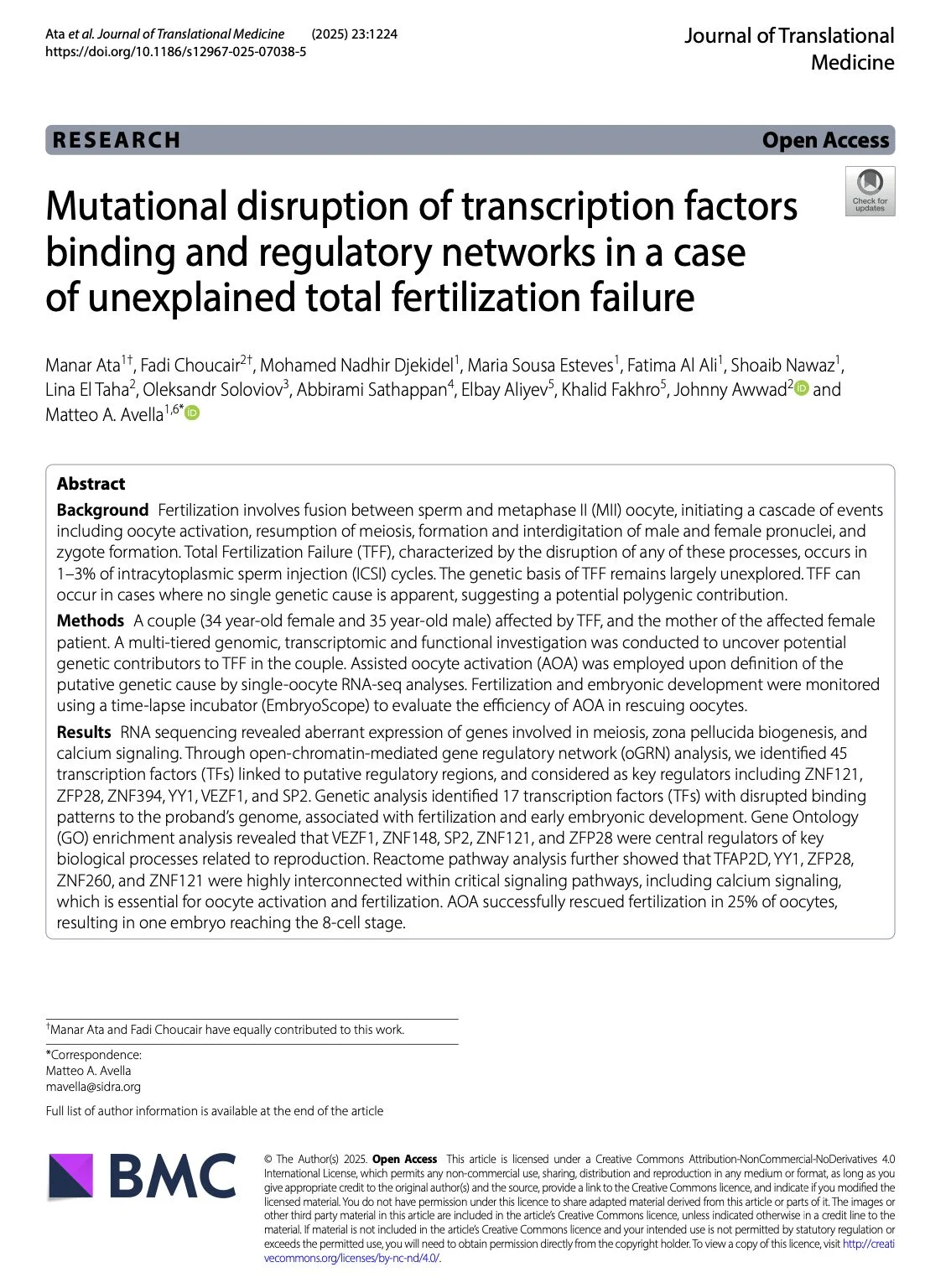
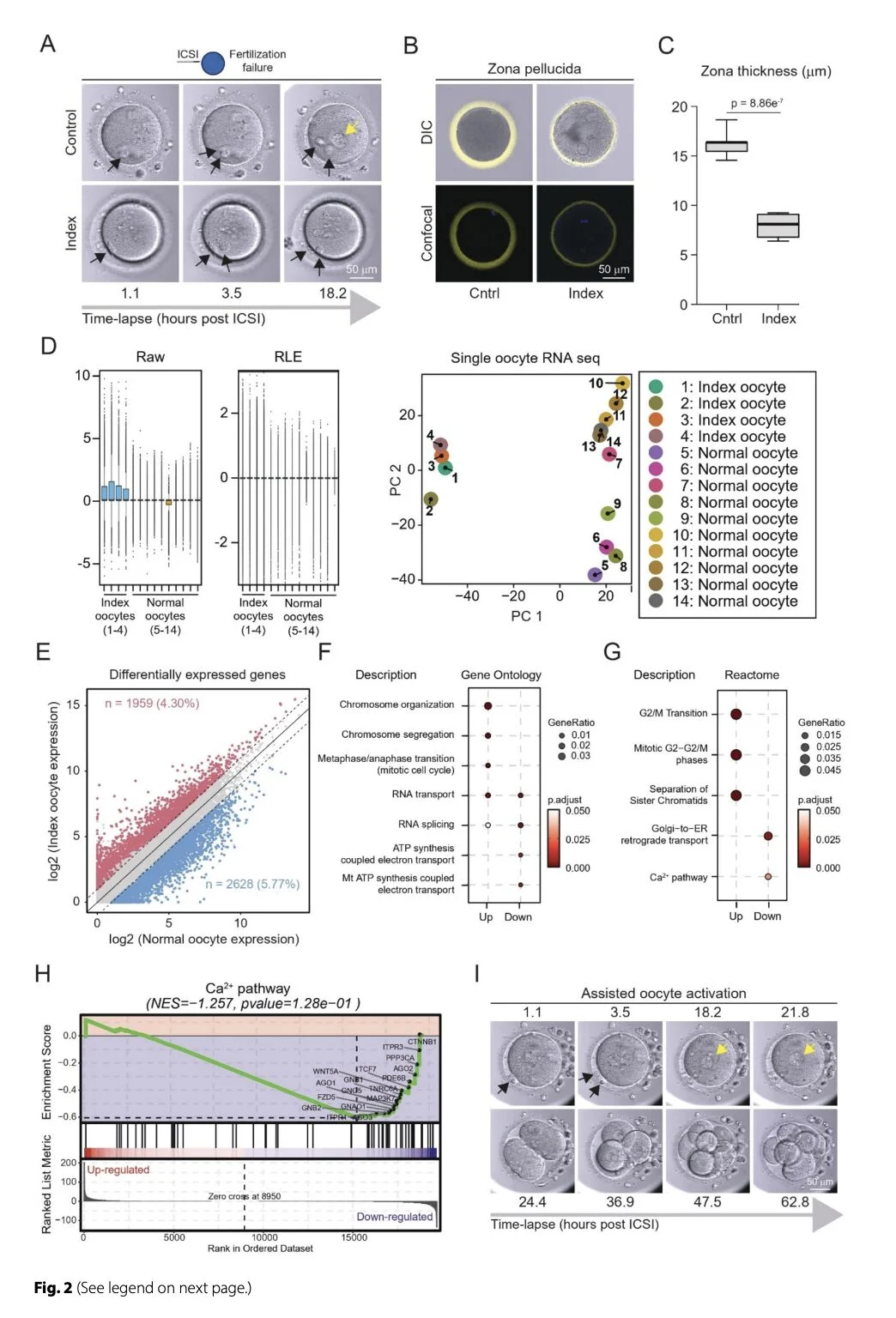
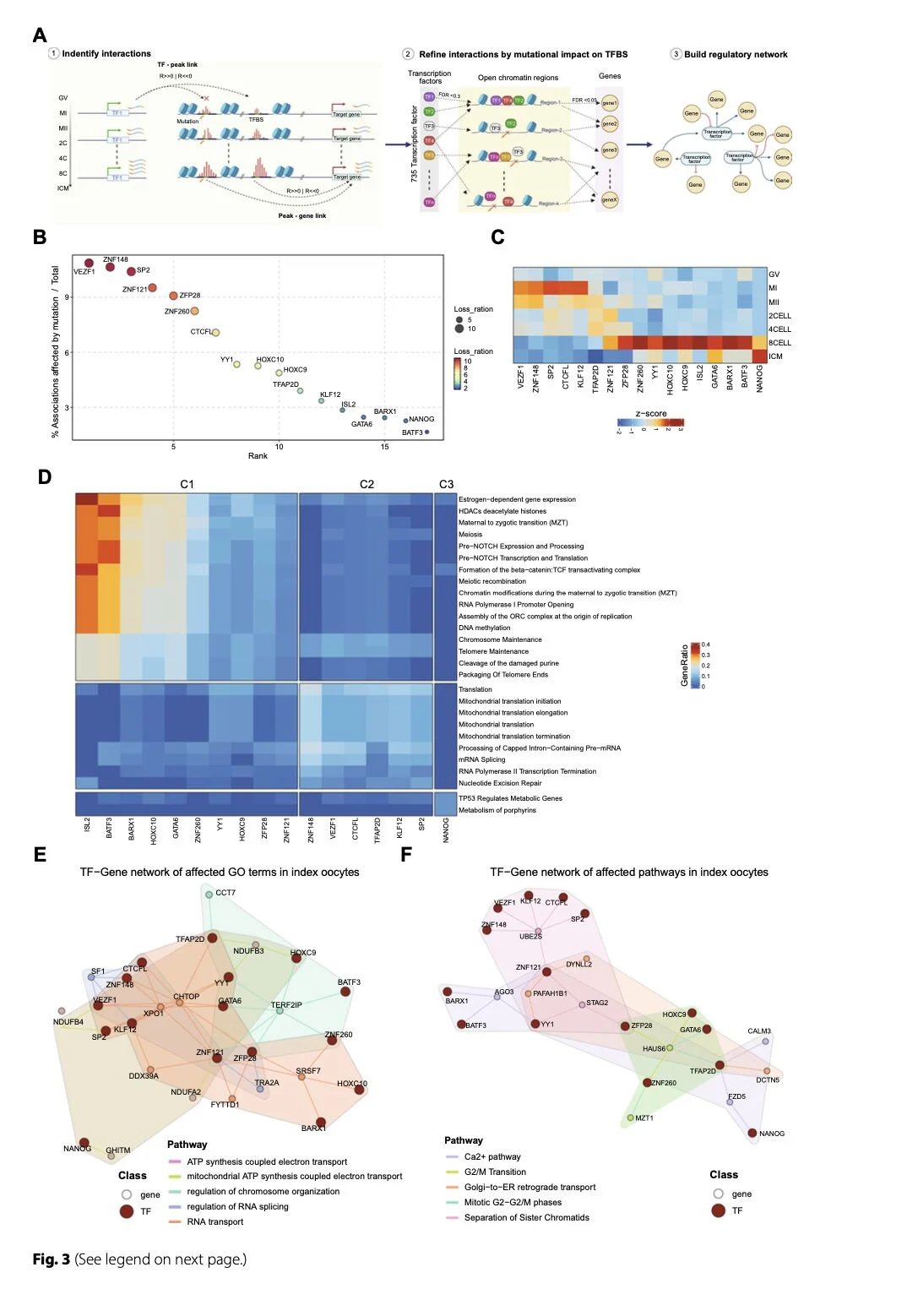
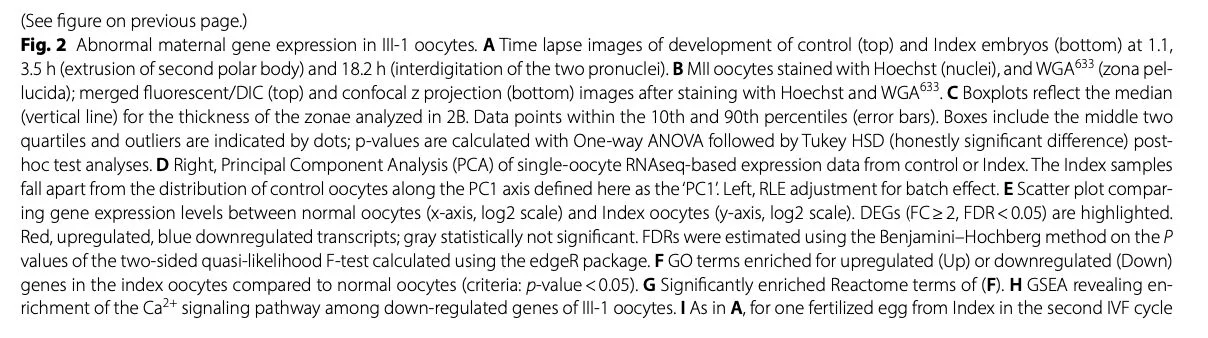
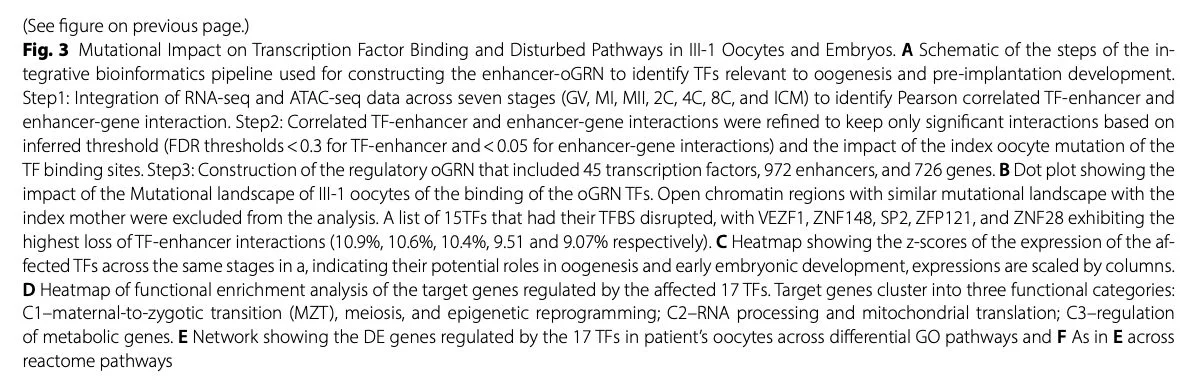
Working directly with clinical cases of recurrent TFF, the team utilized transcriptomic profiling to investigate the molecular landscape of the unfertilized oocytes. The data revealed dysregulation of 17 transcription factors in networks governing oocyte activation and signal transduction. Essentially, the molecular machinery required to ‘spark life’ upon sperm entry was failing to engage.
The Solution:
Guided by this molecular insight, the team implemented a targeted Artificial Oocyte Activation (AOA) protocol using Calcium ionophores. This specific intervention bypassed the signaling defect, successfully triggering activation and rescuing fertilization for the patients!
Why It Matters:
This is the definition of Translational Medicine at Sidra Medicine. By integrating the IVF clinic with the Research lab, we turn an ‘impossible’ diagnosis into a molecularly-defined condition with an actionable treatment plan.
Congratulations to the team, including first authors Suma Garibova and Manar Ata, and collaborators Dr. Sahar Isa Da’as, Prof. Khalid A. Fakhro, Fadi Choucair, and Johnny Awwad
Side Note: This success wasn’t luck, it was built on deep biological expertise of the lab. In fact, the team recently published a fantastic study (highlighted by eLife editors!) on the mechanistic pathway of fertilization in zebrafish models (read more on that study here).
Read the Clinical Paper in Journal of Translational Medicine.
Learn more about Dr. Avella’s Lab.”
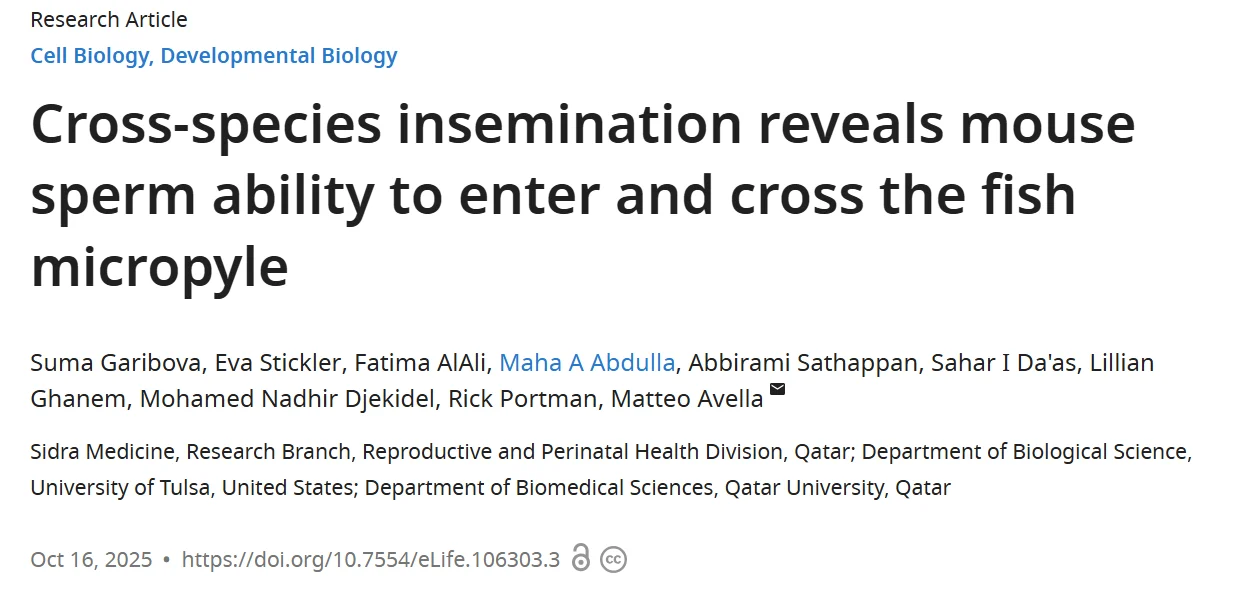
Title: Cross-species insemination reveals mouse sperm ability to enter and cross the fish micropyle
Authors: Suma Garibova, Eva Stickler, Fatima AlAli, Maha A Abdulla, Abbirami Sathappan, Sahar I Da’as, Lillian Ghanem, Mohamed Nadhir Djekidel, Rick Portman, Matteo Avella
Title: Mutational disruption of transcription factors binding and regulatory networks in a case of unexplained total fertilization failure
Authors: Manar Ata, Fadi Choucair, Mohamed Nadhir Djekidel, Maria Sousa Esteves, Fatima Al Ali, Shoaib Nawaz, Lina El Taha, Oleksandr Soloviov, Abbirami Sathappan, Elbay Aliyev, Khalid Fakhro, Johnny Awwad, Matteo A. Avella
Stay updated on all scientific advances in the field of fertility with Fertility News.
-
Sep 13, 2026, 15:11Sachintha Alwis: From Impaired Sperm Motility to Microrobotics
-
Sep 13, 2026, 15:08Laurence Orbuch: Before Endometriosis Surgery, Ask…
-
Sep 13, 2026, 15:05Ademola Ayodele: IUI, IVF or Egg Freezing – Which One Is Right for You?
-
Sep 13, 2026, 14:59Fiona Pathiraja-Møller: Tennis Players No Longer Have to Choose Between Career and Family
-
Sep 13, 2026, 14:571-Day Virtual Experience for People Impacted by PMOS – PCOS Awareness Association
-
Sep 13, 2026, 14:53Ozor Victor: Behind Every Embryo Is a Story of Science, Precision, and Hope
-
Sep 13, 2026, 14:50Diana Kayal: What They Don’t Tell You About IVF
-
Sep 13, 2026, 14:44Vikram Sinai Talaulikar: A Heartfelt Thank You to All Who Donated and Supported “Menopause and Cancer”
-
Sep 13, 2026, 14:41Nicole McPherson: Changing IVF Practices Is Hard – Integration Needs to Be Easy