

Marco Zaccaria: Pathophysiological Mechanisms of Endometriosis and Adenomyosis
Marco Zaccaria, Global Product Manager at H.S. Hospital Service SpA, shared a post on LinkedIn about a paper by Gerhard Leyendecker et al. published in Archives of Gynecology and Obstetric:
“What pathophysiological mechanism underlies the development of endometriosis and adenomyosis?
The basal endometrium plays a fundamental role, performing essential functions as an endocrine gland and triggering hyperestrogenism in the archimetrium.
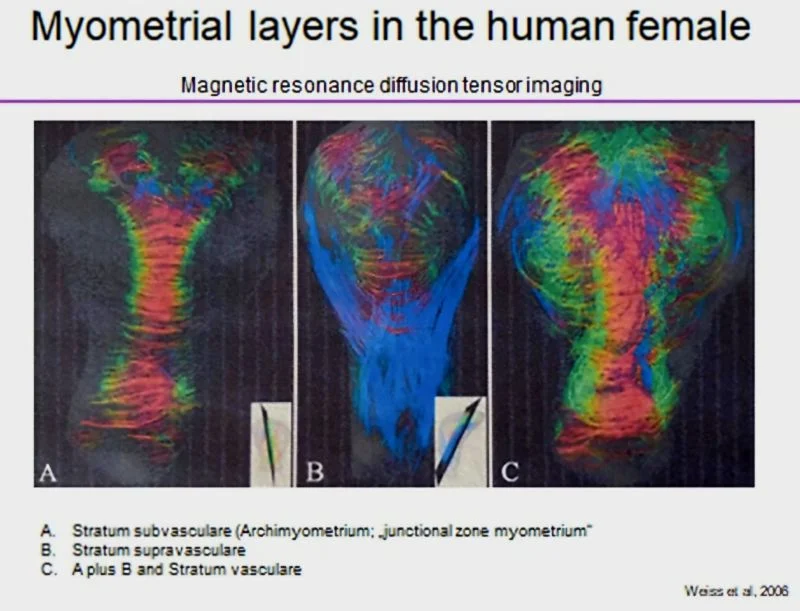
In adenomyosis hyperperistalsis might result in myometrial dehiscencies that are infiltrated by basal endometrium with the secondary development of muscolar tissue.
Adenomyotic foci are usually localized in the posterior wall: early lesions present close to fundo-cornual-raphe of the archimyometrium ( change in the shape of the uterus which has a slight indentation or ‘arch’ at the top).
With their muscular component, the adenomyotic lesions might contribute to the increased intrauterine pressure.
The lesions are able to produce estrogen and may therefore be able to sustain their benign proliferative potential: that is why infiltrative endometriosis and adenomyosis may constitute progressive diseases, in rare cases even beyond the menopause.
Below is a link to a study on the pathogenesis and pathophysiology of this benign and debilitating condition.”
Title: Archimetrosis: the evolution of a disease and its extant presentation – Pathogenesis and pathophysiology of archimetrosis (uterine adenomyosis and endometriosis)
Authors: Gerhard Leyendecker, Ludwig Wildt, Matthias W. Laschke, Gerhard Mall
Read the full article.
-
Mar 21, 2026, 15:00Samantha Butts Shares Personal and Professional Insights in ASRM Close Up
-
Mar 21, 2026, 14:47Scammers Are Targeting ESHRE2026 Attendees – ESHRE
-
Mar 21, 2026, 14:26No Obvious Harm From Prolonged Oocyte Cryostorage – RBMO
-
Mar 21, 2026, 14:13Empowering Change: Health Systems at the Forefront of Ending FGM/C! – FIGO
-
Mar 21, 2026, 09:56Expanded Carrier Screening: Clinical, Ethical, and Psychosocial Perspectives from Ghent – ESHRE
-
Mar 21, 2026, 09:53Impact of Male Obesity on Embryo Development and Miscarriage Risk – Fertility and Sterility
-
Mar 20, 2026, 17:06Christopher Robinson: AJOG Expert Review on Placenta Accreta After Cesarean
-
Mar 20, 2026, 16:53HCG Failure and Trigger Strategies in IVF – Fertility Plus
-
Mar 20, 2026, 16:38Secure Your Early Bird Ticket for RCOG Annual Professional Development Conference – RCOG