
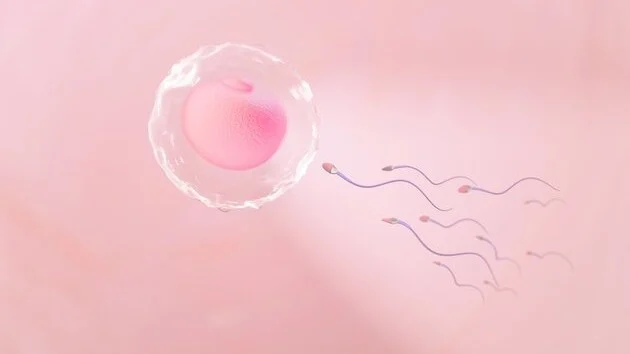
Akansha Negi: The Functional Role of the Zona Pellucida in Early Embryo Development
Akansha Negi, Trainee Embryologist – Akanksha Ivf Centre at Mata Chanan Devi Hospital, shared a post on Linkedin:
“Zona Pellucida: The Embryo’s First Microenvironment
We often call the zona pellucida (ZP) a ‘protective shell.’
But that label misses what it truly is-
The embryo’s first functional microenvironment, actively shaping events from fertilization to implantation.
Molecular Architecture (Not Just a Coat)
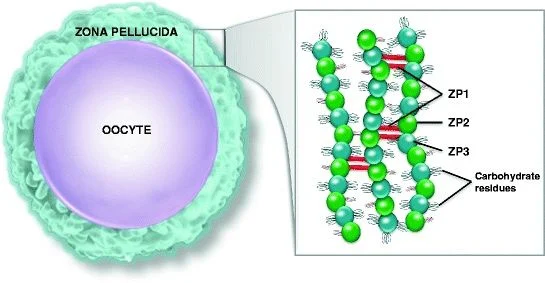
The human ZP is built from ZP1, ZP2, ZP3, and ZP4-glycoproteins that assemble into a cross-linked fibrillar matrix.
- ZP2: sperm-binding scaffold (post-binding cleavage blocks re-binding)
- ZP3/ZP4: key in sperm recognition and acrosome reaction signaling
- ZP1: structural cross-linker, giving tensile strength
This isn’t random structure-it’s engineered selectivity.
Step-by-Step: What the Zona Actually Does
- 1. Selective Gatekeeper (Before Fertilization)
Only competent sperm can bind and penetrate. The ZP enforces species specificity and functional selection.
- 2. Fast Block to Polyspermy (Seconds–Minutes Post-Fertilization)
Cortical granule exocytosis modifies ZP proteins (notably ZP2), reducing further sperm binding-a biochemical “lock” that preserves diploidy.
- 3. Mechanical Scaffold (Cleavage to Morula)
The ZP maintains blastomere cohesion and geometry, enabling compaction and proper cell–cell contacts.
- 4. Biophysical Regulator (Morula to Blastocyst)
As fluid accumulates, the embryo expands against the ZP’s elastic resistance.
This tension influences blastocoel formation, expansion rate, and possibly lineage allocation (ICM vs TE).
- 5. Timed Barrier to Exit (Hatching)
For implantation, the embryo must escape.
Hatching depends on:
- Zona elasticity and thickness
- Embryonic expansion pressure
- Trophectoderm activity (enzymatic + mechanical)
Too rigid → failed/delayed hatching
Too weak → premature escape / compromised integrity
What Changes the Zona in the IVF Lab?
– ICSI: bypasses natural sperm–ZP
interaction (we replace a selection step)
– Culture conditions: pH/temperature shifts can subtly affect matrix properties
– Cryopreservation: associated with zona hardening post-thaw
– Maternal factors: age and oocyte maturity can alter zona composition and biomechanics
Clinical Decisions Tied to the Zona
– Assisted Hatching (AH): considered when hatching may be impaired (e.g., thick/hardened ZP, previous failures)
– Embryo selection nuance: similar-looking blastocysts may behave differently due to zona mechanics
A Subtle but Important Shift in Thinking
We interact with the zona constantly-
we penetrate it, thin it, freeze embryos within it.
Yet we still talk about it as if it’s passive.
The ZP is not just a boundary.
It is a regulator of access, a scaffold for organization, and a timed barrier for implantation.
If early development is a dialogue between biology and environment,
the zona pellucida is where that conversation begins.”
Stay updated on all scientific advances in the field of fertility with Fertility News.
-
Sep 18, 2026, 20:27Hrishikesh Pai: Rethinking Male Infertility
-
Sep 18, 2026, 20:25Eric Verdin: Wrapping Up the Reproductive Aging Summit at the Center for Healthy Aging in Women
-
Sep 18, 2026, 20:21Investigating Pregnancy Outcomes in Women with Idiopathic POI – RBMO
-
Sep 18, 2026, 20:18Sue Ritchie: Why Aren’t We Talking About Male Fertility More?
-
Sep 18, 2026, 20:13Salma Yasin: Every Day of BFS Study Week 2026 Has Been an Exceptional Learning Experience
-
Sep 18, 2026, 20:01Qingcai Wang: Over 35 and Torn Between Trying Longer and Starting IVF?
-
Sep 18, 2026, 19:58Bhumika: Can a Woman Become Pregnant Again While Already Pregnant?
-
Sep 18, 2026, 19:5215 More Experts Join the International Fertility Forum Mumbai 2026
-
Sep 18, 2026, 19:50Curious About What Happens Behind the Scenes in the Labs? – Sims IVF