
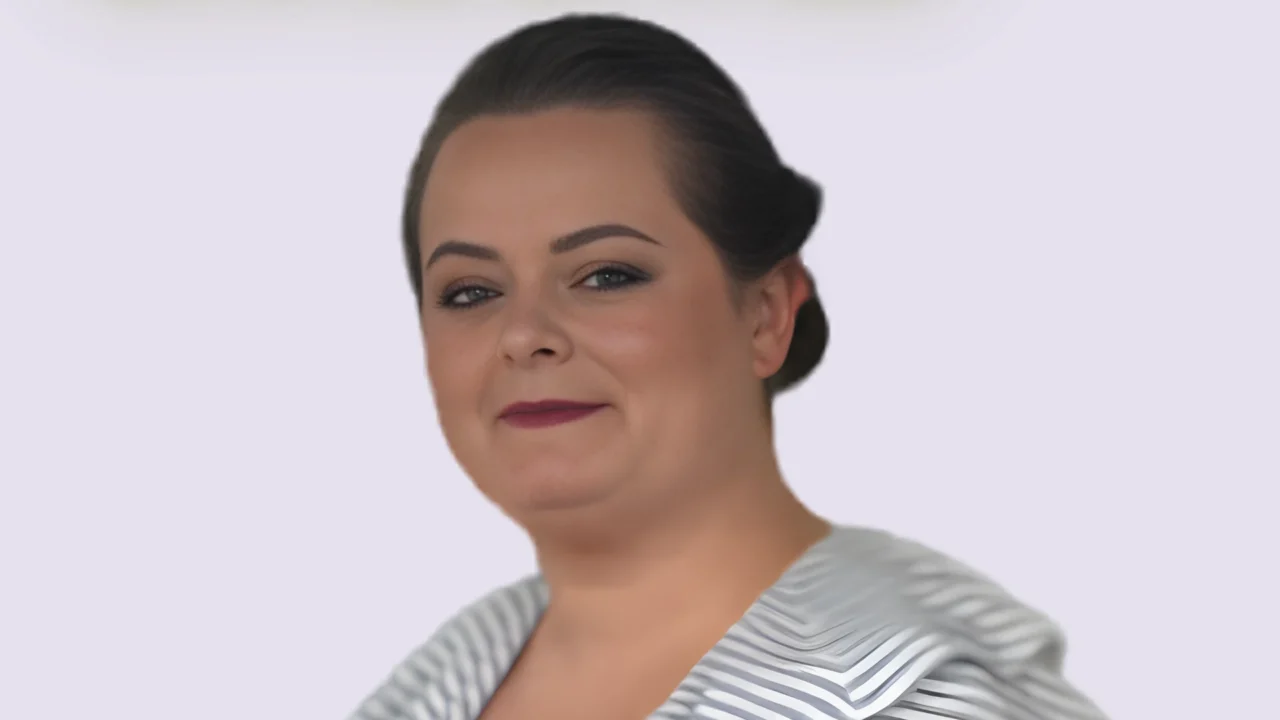
Charley Gills: Impact of Adenomyosis on Work, Wellbeing and Retention
Charley Gills, Co Executive Director at Beyond the period north east, shared a post on LinkedIn:
“Adenomyosis is a condition that affects an estimated 1 in 10 women in the UK, yet awareness in workplaces remains extremely low. This lack of understanding has real consequences: people experiencing severe menstrual pain, heavy bleeding, fatigue, and pelvic pressure are often left to ‘push through’ symptoms that can be genuinely debilitating.
Workplace evidence shows that adenomyosis can significantly affect concentration, memory, confidence, and day‑to‑day functioning, especially during flare‑ups. According to Endometriosis UK, symptoms can include painful menstrual cramps, heavy bleeding, pelvic pain, and fatigue – all of which can directly impact someone’s ability to work comfortably and consistently.
Research also highlights that adenomyosis is frequently misdiagnosed or dismissed, with many people spending years seeking answers. NASUWT notes that the condition is ‘woefully neglected’ and often confused with endometriosis or fibroids, contributing to long delays in receiving appropriate support.
From a workplace perspective, this isn’t just a health issue – it’s an equality and retention issue. Personnel Today reports that menstrual and gynaecological conditions can act as barriers to career progression, with some employees feeling pressured, disbelieved, or penalised for health‑related absences.
But the good news is: workplaces can make a meaningful difference with simple, compassionate adjustments. These may include:
Flexible working or remote options during flare‑ups
Access to rest spaces
Understanding that symptoms fluctuate
Open, stigma‑free conversations
Clear policies that recognise menstrual health as part of wellbeing
Creating a supportive environment isn’t about special treatment – it’s about ensuring employees aren’t disadvantaged because of a health condition that is still widely misunderstood.
At Beyond the Period, we’re committed to helping organisations build menstrual‑inclusive cultures where people feel safe, supported, and able to thrive.
Awareness is the first step – action is the next.
If your workplace is ready to start this conversation, we’re here to help.”
Stay updated on all scientific advances in the field of fertility with Fertility News.
-
Sep 18, 2026, 20:27Hrishikesh Pai: Rethinking Male Infertility
-
Sep 18, 2026, 20:25Eric Verdin: Wrapping Up the Reproductive Aging Summit at the Center for Healthy Aging in Women
-
Sep 18, 2026, 20:21Investigating Pregnancy Outcomes in Women with Idiopathic POI – RBMO
-
Sep 18, 2026, 20:18Sue Ritchie: Why Aren’t We Talking About Male Fertility More?
-
Sep 18, 2026, 20:13Salma Yasin: Every Day of BFS Study Week 2026 Has Been an Exceptional Learning Experience
-
Sep 18, 2026, 20:01Qingcai Wang: Over 35 and Torn Between Trying Longer and Starting IVF?
-
Sep 18, 2026, 19:58Bhumika: Can a Woman Become Pregnant Again While Already Pregnant?
-
Sep 18, 2026, 19:5215 More Experts Join the International Fertility Forum Mumbai 2026
-
Sep 18, 2026, 19:50Curious About What Happens Behind the Scenes in the Labs? – Sims IVF