
Saurabh Srivastava: Scientists Reveal That Eggs Choose the Winner, Sperm Don’t Win the Race After All
Saurabh Srivastava, Head of Finance at Sas Automotives Private Limited, shared a post on LinkedIn:
“Scientists reveal that eggs choose the winner: sperm don’t win the race after all.
YOU DIDN’T WIN THE RACE, YOU WERE CHOSEN.
The Egg Chooses. We Just Found Out How.
New research is rewriting everything we thought we knew about fertilisation. Here are 10 things every curious mind should know
1. The egg is the decision-maker.
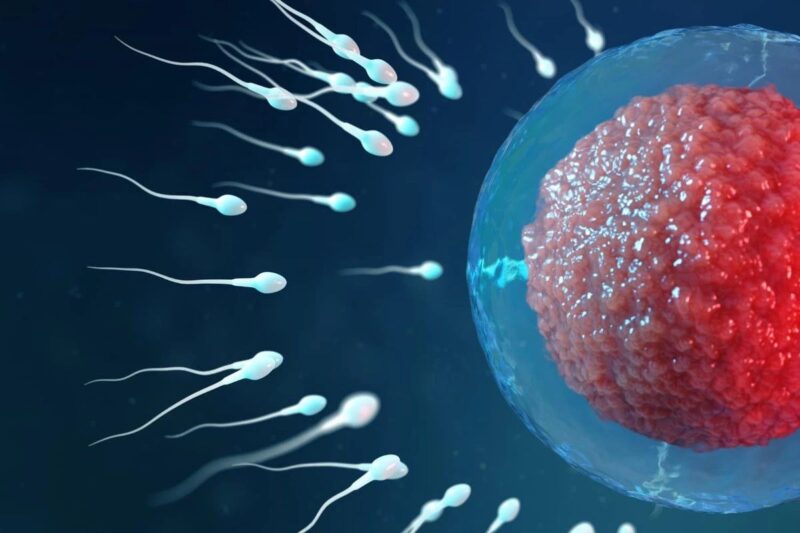
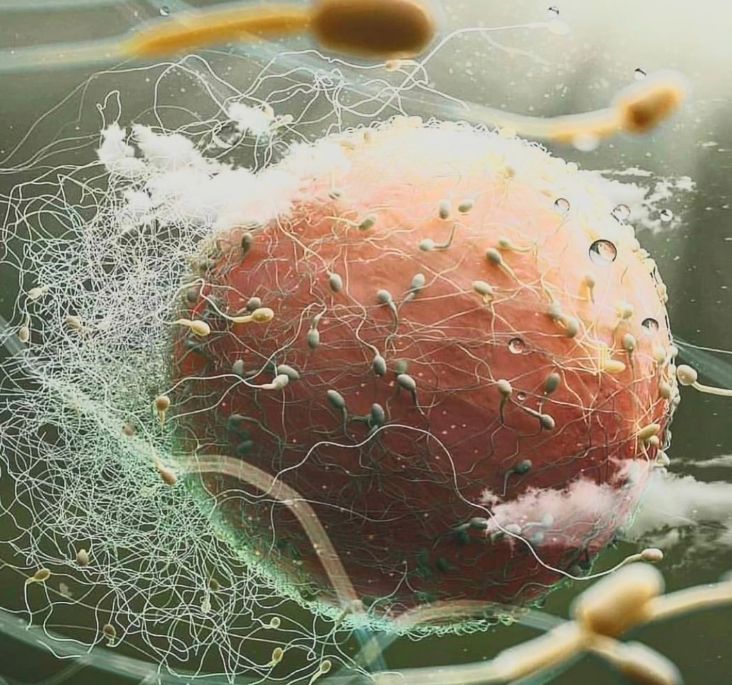
Scientists now confirm the egg actively selects which sperm it allows in — not the other way around. The ‘fastest sperm wins’ story was always incomplete.
2. Chemistry is the real matchmaker.
The egg releases chemical signals. Sperm carry scent receptors on their heads that detect them. A strong chemical match = a sperm that speeds up and swims straight. A weak match = it drifts and slows.
3. Researchers called it a ‘chemical breadcrumb trail.’
Lead scientist John Fitzpatrick (Stockholm University, 2020) found that in 50% of couples tested, the egg preferred a stranger’s sperm over the partner’s. That’s not a glitch — that’s biology with a preference.
4. Out of 100 million sperm, only ~250 reach the egg.
The vagina is acidic. The cervix is a mucus trap. The immune system attacks sperm as foreign invaders. And half the survivors swim into the wrong fallopian tube. The gauntlet is brutal.
5. The ‘sperm race’ is largely a myth.
By the time any sperm gets near the egg, the attrition has already happened. What remains is a shortlist — and then the egg decides.
6. The egg is optimising for immune diversity.
It favours sperm carrying immune genes different from its own. Why? To give the resulting child the widest possible disease-fighting range. Evolution is always thinking ahead.
7. This may explain ‘unexplained infertility.’
Around 30% of infertility cases have no clear medical cause. Fitzpatrick’s team believes chemical incompatibility — bodies that simply don’t signal well to each other — could be a significant factor.
8. This opens a new frontier in reproductive medicine.
If we can map chemical compatibility between partners, we may unlock new diagnostic tools, treatment pathways, and a deeper understanding of conception failure.
9. Every human alive passed a chemistry test no one knew was happening.
Your existence wasn’t just about speed. It was about a molecular conversation between two cells — and the egg said yes to a very specific answer.
10. Biology is far more intelligent than we gave it credit for.
The body has been running sophisticated selection algorithms for millions of years. We’re only just learning to read the code.
What does this change about how you think about human biology and reproduction?
Drop your thoughts below.”
Stay updated on all scientific advances in the field of fertility with Fertility News.
-
Sep 13, 2026, 15:11Sachintha Alwis: From Impaired Sperm Motility to Microrobotics
-
Sep 13, 2026, 15:08Laurence Orbuch: Before Endometriosis Surgery, Ask…
-
Sep 13, 2026, 15:05Ademola Ayodele: IUI, IVF or Egg Freezing – Which One Is Right for You?
-
Sep 13, 2026, 14:59Fiona Pathiraja-Møller: Tennis Players No Longer Have to Choose Between Career and Family
-
Sep 13, 2026, 14:571-Day Virtual Experience for People Impacted by PMOS – PCOS Awareness Association
-
Sep 13, 2026, 14:53Ozor Victor: Behind Every Embryo Is a Story of Science, Precision, and Hope
-
Sep 13, 2026, 14:50Diana Kayal: What They Don’t Tell You About IVF
-
Sep 13, 2026, 14:44Vikram Sinai Talaulikar: A Heartfelt Thank You to All Who Donated and Supported “Menopause and Cancer”
-
Sep 13, 2026, 14:41Nicole McPherson: Changing IVF Practices Is Hard – Integration Needs to Be Easy