

Devyanshi Dixit: Can We Detect Gynecologic Cancer Before Symptoms Appear?
Devyanshi Dixit, Program Manager at CLS Event and Publication and Conference Manager at the 12th Global Summit on Gynecology, shared on LinkedIn:
”Can We Detect Gynecologic Cancer Before Symptoms Appear?
Cancer often becomes easier to treat when detected earlier.
But what if we could identify biological warning signals before noticeable symptoms develop?
The future of gynecologic oncology is moving beyond symptom-based diagnosis toward earlier detection, risk assessment, and precision screening.
What Could Make Earlier Detection Possible?
- Biomarkers
Research into blood, tissue, and other molecular biomarkers could help identify cancer-associated changes at earlier stages. - Genetic and Genomic Testing
Understanding inherited and acquired genetic changes may help identify women at increased risk and guide personalized surveillance. - Artificial Intelligence
AI-assisted analysis of imaging, pathology, and clinical data may help identify subtle patterns that could otherwise be difficult to detect. - Advanced Imaging
Innovations in ultrasound, MRI, and other imaging technologies are improving the ability to investigate suspicious changes. - Liquid Biopsy
Circulating tumor DNA and other molecular signals are being investigated as potential tools for earlier cancer detection.
But There’s an Important Question
Can these technologies replace conventional screening today?
Not yet.
Many emerging approaches are still being researched and validated. Early detection must balance accuracy, accessibility, false positives, overdiagnosis, and patient safety.
The goal isn’t simply to detect cancer earlier.
It is to detect the right cancer, in the right patient, at the right time.
This is where precision medicine, molecular diagnostics, AI, and gynecologic oncology could reshape the future of women’s healthcare.
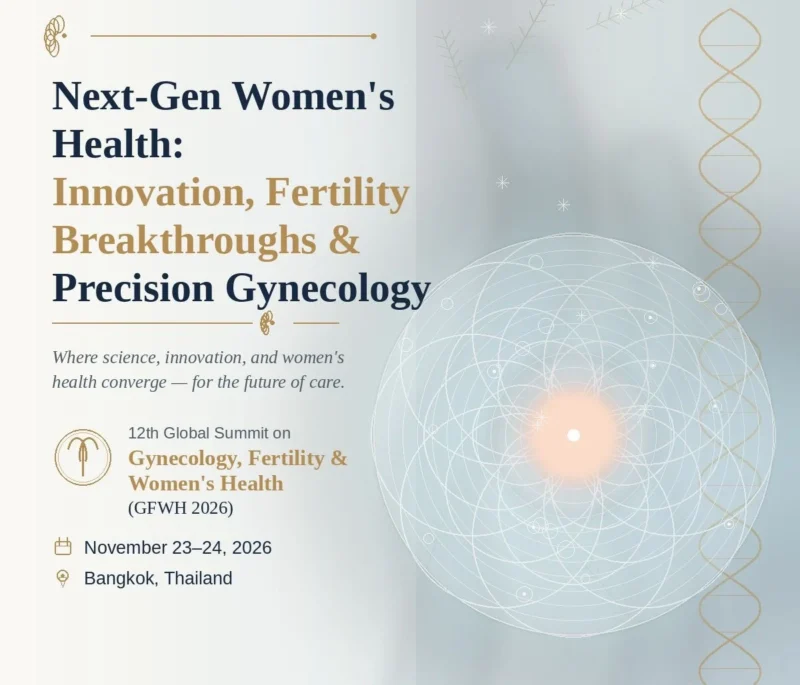
The 12th Global Summit on Gynecology, Fertility and Women’s Health (GFWH 2026) brings together experts exploring innovations across gynecology, women’s health, reproductive medicine, precision healthcare, and emerging medical technologies.
- November 23 – 24, 2026
- Bangkok, Thailand
The future of cancer care may begin before the first symptom appears.”
Other articles on GFWH 2026 on Fertility News.
-
Oct 22, 2026, 17:36Filipa Rafael: A Woman Should Not Have to Be Trying for a Baby for Her Ovarian Insufficiency to Matter
-
Oct 22, 2026, 17:30Michele Boiani: New Insight on Zona Pellucida Proteins
-
Oct 22, 2026, 17:01Sean Lauber: New Review Assesses PGT-A Effectiveness and Safety
-
Oct 22, 2026, 16:56Eric Lameignere: Optimizing Sperm Handling Conditions in the IVF Laboratory
-
Oct 22, 2026, 16:49Rajeev Agarwal: Most Failed IVF Transfers Are About the Embryo, Not the Uterus
-
Oct 22, 2026, 16:44Devyanshi Dixit: Calling for Delegates for GFWH 2026
-
Oct 22, 2026, 16:35Kate Ryder: Headed to ASRM 2026 and Looking Forward to Spending Time with Clinic Partners
-
Oct 22, 2026, 16:27Can PCOS/PMOS Increase the Risk of Premature Death? – PCOS Millennials
-
Oct 22, 2026, 16:18Margaret Cali: Before IVF Begins, a Lot of Preparation Happens…