

Marco Zaccaria/LinkedIn
Aug 24, 2026, 06:44
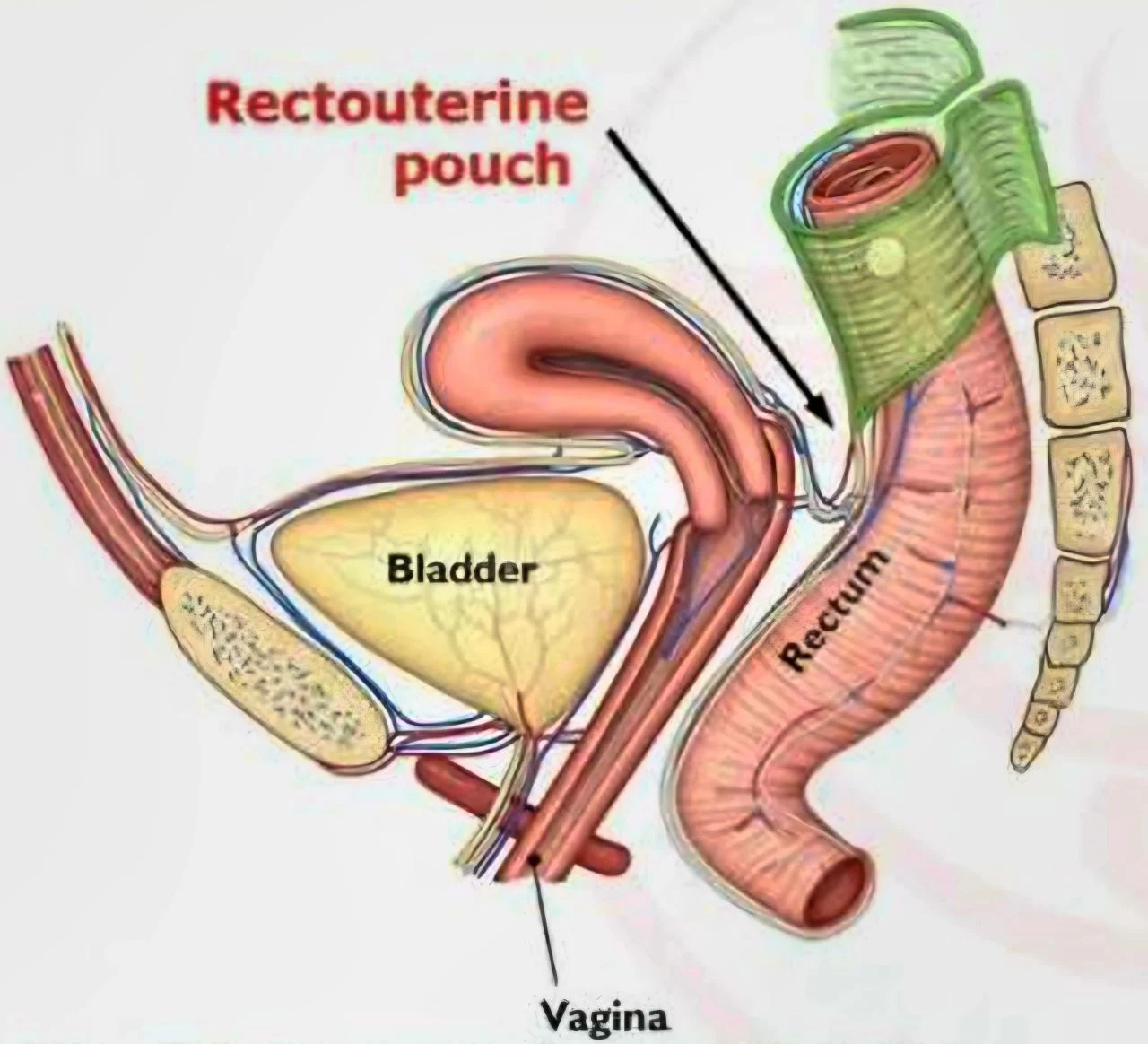
Marco Zaccaria։ What is the Relationship Between Douglas’s Canal and Uterine Fibroids
Marco Zaccaria, Global Product Manager at H.S. Hospital Service SpA, shared on LinkedIn։
“What is the relationship between Douglas’s canal and uterine fibroids?
Typically, it involves a posterior subserosal fibroid that can grow outward from the uterus, protruding into or occupying the pelvic cavity, and is sometimes associated with a retroverted uterus
The presence of this benign lesion involves three main aspects:
- Pressure on nearby organs: The fibroid may cause a sensation of heaviness, pelvic pain, difficulty emptying the bladder, or constipation due to compression of the rectum
- Ultrasound findings: During an ultrasound or physical examination, the presence of the fibroid or the echo of a small fluid-filled space in the Douglas pouch is often noted to determine the exact location of the mass and its relationship to the pelvic organs
- General symptoms: These depend on the size and type of fibroid (e.g., heavy menstrual bleeding if other intramural components are present).”
Other articles featuring Marco Zaccaria on Fertility News.
-
Oct 29, 2026, 16:22Aysha O’Connor: One of the Hardest Parts of My Own Fertility Journey Was Loneliness…
-
Oct 29, 2026, 16:15Chaithra S K: Preimplantation Genetic Testing Still Requires an Embryo Biopsy
-
Oct 29, 2026, 16:11Filipina Woman’s Journey of Strength, Hope, and Finding Balance While Living with PCOS – PCOS Millennials
-
Oct 29, 2026, 15:58Eric Lameignere: Can DNA Fragmentation in Cumulus Cells Predict ICSI Outcomes?
-
Oct 29, 2026, 15:50Saadat Hassan: Sperm Function Testing – Can Advanced Diagnostics Guide IVF and ICSI Selection?
-
Oct 29, 2026, 15:34Sara Spiro: Celebrating the Stories Members Have Trusted With at Maven Clinic – Here Is Mine
-
Oct 29, 2026, 15:31Dina Ibrahem: 0 Motility, 1 Critical Decision
-
Oct 29, 2026, 15:28AI and Automation in Fertility and Genomics: Pipeline or Pipe Dream? – ARCS
-
Oct 29, 2026, 15:26Michael Schindler: Large Networks or Small Centers – Who Delivers Better Care?