
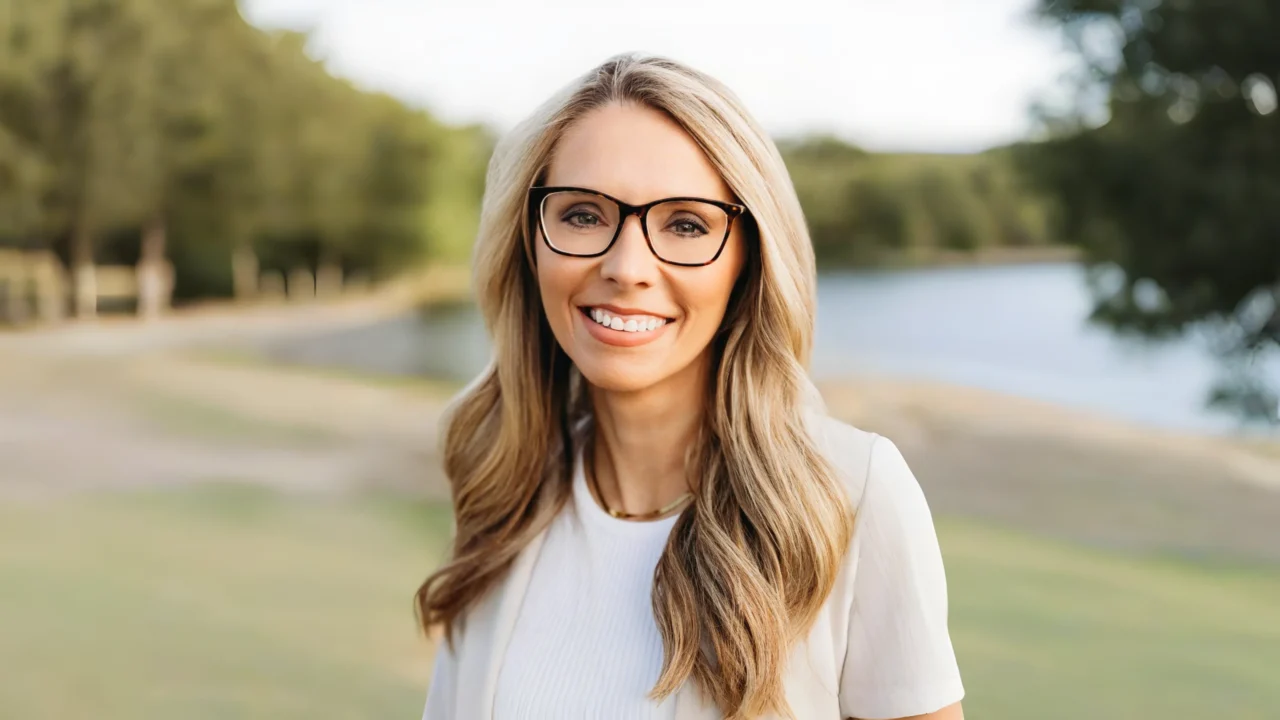
Katy Encalade: A Few Misconceptions I Think Every Woman Considering Egg Donation Deserves to Understand
Katy Encalade, President and CEO of Egg Donor and Surrogate Solutions, shared on LinkedIn:
“Almost 20 years ago, I made the decision to become an egg donor. At the time, I hadn’t had children of my own. I had questions about what donation might mean for my future fertility, what the process would look like, and what it really meant to help another family have a child.
Today, I’m a mom of three, and I have the privilege of leading an organization that walks alongside women making that same decision. My experience as an egg donor has shaped how I think about education, informed consent, and the responsibility we have to the women considering donation. This month at Egg Donor and Surrogate Solutions, we’re using our social channels to address some of the most common misconceptions about egg donation.
A few that I think every woman considering donation deserves to understand:
1. Donating my eggs will use up eggs I might need someday. That’s not how the process works. Fertility medications help mature multiple eggs from a group that would naturally begin developing during that cycle. Current research has not demonstrated that egg donation causes infertility, but it is still a medical procedure with risks that deserve thoughtful consideration.
2. If I donate anonymously, the child will never know who I am. The world has changed significantly since I donated. With DNA testing, ancestry websites, and social media, anonymity can no longer be guaranteed. Donors need to understand the possibilities for future connections and consider the needs of the donor-conceived person, not just the preferences of the adults today. And I still 100% recommend families building an ongoing trusting relationship with their donor overtime helps ensure their child has access to the information they may want one day.
3. Egg donation is just a quick procedure. There’s much more involved. Medical and genetic screening, psychological evaluation, legal agreements, medications, monitoring appointments, and recovery are all part of the process. It’s a commitment of several months, not just a day at a fertility clinic.
Here’s what I keep coming back to: A woman can be a wonderful candidate for egg donation and still decide its not the right choice for her. And that’s okay. Our responsibility isn’t simply to help women become egg donors. Its to give them the information, support, and space to make a decision they feel confident in, both today and years from now. Because ethical egg donation isn’t just about following the right procedures. Its about making sure the people involved truly understand what they’re agreeing to.
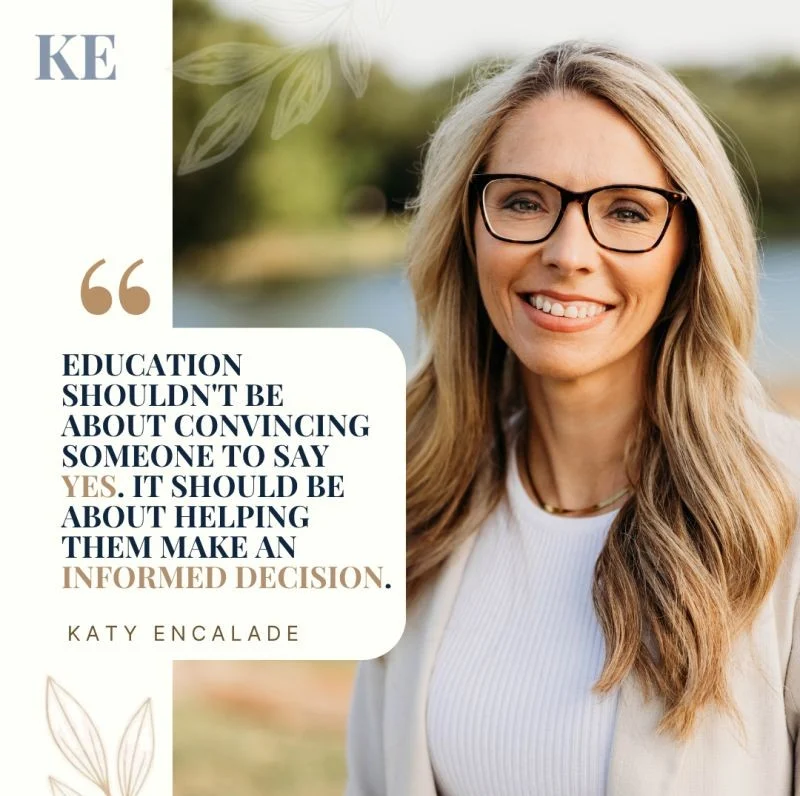
I am incredibly grateful for my experience as an egg donor. But I also believe that gratitude for my own experience should never replace honest conversations about the complexities of someone else’s. Education shouldn’t be about convincing someone to say yes. It should be about helping them make an informed decision. That’s the standard I want us to keep raising.”
Other articles featuring Katy Encalade on Fertility News.
-
Oct 21, 2026, 17:57Ula Sankowska: What I’ll Bring to ASRM INNOVATE in Baltimore
-
Oct 21, 2026, 17:40Robert Borowczyk: The Invisible Waiting Room
-
Oct 21, 2026, 17:35Fereshteh Safian: Behind the Scenes of Reproductive Medicine
-
Oct 21, 2026, 17:20The Relationship Between Trophectoderm Biopsy and Early Pregnancy Outcomes – RBMO
-
Oct 21, 2026, 17:09Jules McDonald: The Future of Fertility Is Happening in Abu Dhabi
-
Oct 21, 2026, 16:53Ashley Evans: I Never Imagined I’d Be a Fertility Story with a Group of People Whom I Have Never Met…
-
Oct 21, 2026, 16:41Karthik Raj: Asherman’s Syndrome – When the Endometrium Cannot Regenerate Normally
-
Oct 21, 2026, 16:21The FeRGI Working Group 2026-2027 – ESHRE SIG Reproductive Genetics
-
Oct 21, 2026, 15:59Caspian Ostadian: From OPU to ICSI – How Much Rest Time Does an Oocyte Need?