
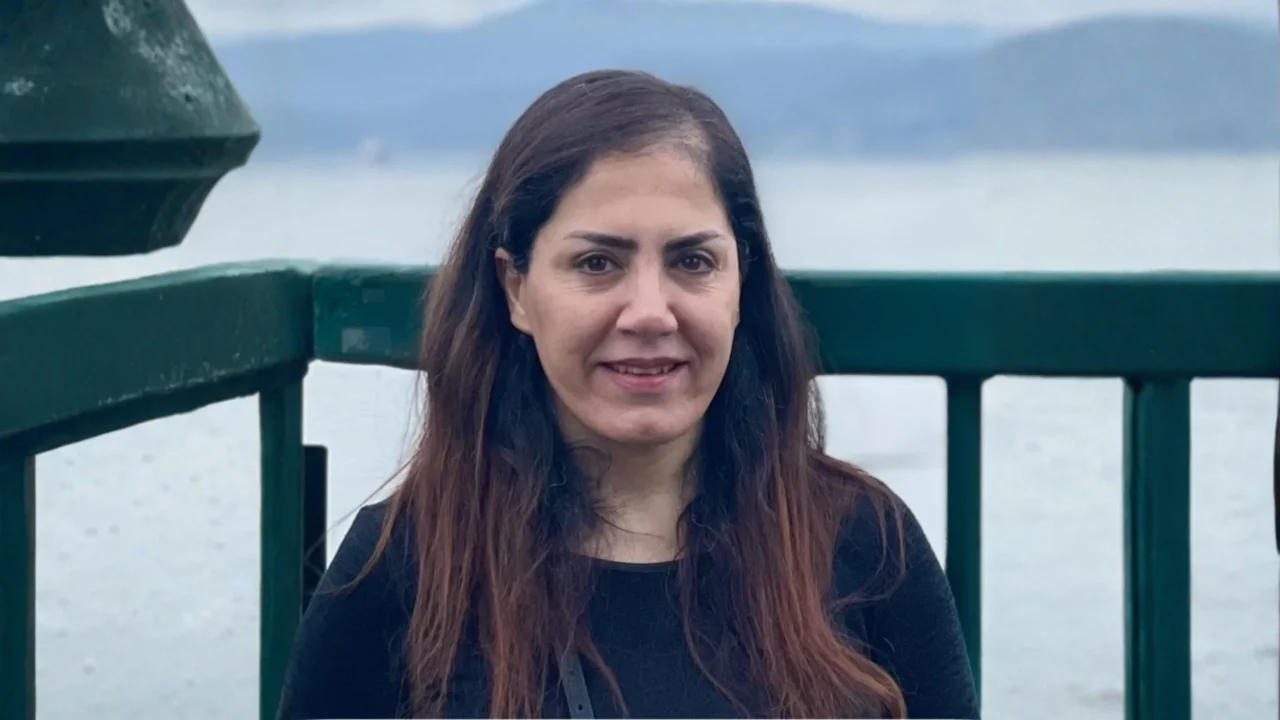
Leili Mohebnasab: Understanding Placental Health Through Epigenetics
Leili Mohebnasab, Midwife at Shariati Hospital, shared a post on LinkedIn:
“Epigenetic Biomarkers of Placental Health:
What DNA Methylation Reveals—and Where It Must Remain Silent
For decades, placental health has been assessed indirectly—through fetal growth patterns, Doppler findings, and late clinical syndromes such as preeclampsia or preterm birth. These approaches detect outcomes, not the biological processes unfolding earlier in pregnancy.
Epigenetics offers a different perspective.
According to guidance and research priorities from the World Health Organization, NIH-supported placental biology programs, and CDC population health frameworks (2020–2025), epigenetic markers—particularly DNA methylation (DNAm)—reflect how the placenta adapts to its environment over time.
The placenta is epigenetically dynamic
Placental tissue undergoes rapid differentiation, immune modulation, and metabolic adaptation. NIH research shows that DNAm patterns shift predictably across gestation as part of normal development. These changes are not signs of damage—they are features of placental biology.
When timing appears altered
In some complicated pregnancies, placental DNAm patterns suggest biological ‘age acceleration,’ meaning the placenta appears epigenetically older than expected for gestational age. WHO emphasizes that this reflects cumulative biological stress—not inevitable pathology or outcome.
What epigenetic biomarkers can tell us
At the population level, altered DNAm patterns have been associated with placental insufficiency, fetal growth restriction, and hypertensive disorders of pregnancy. These associations deepen biological understanding but do not provide individual prediction.
What they cannot do
Global guidance is clear:
- epigenetic markers are not screening tools,
- they do not establish causality,
- they do not justify intervention in asymptomatic pregnancy.
A clinical and midwifery perspective
Epigenetic research reframes how we understand placental adaptation—but it does not change the foundations of care. Clinical assessment, physiological monitoring, and continuity remain central.
Epigenetics records responsiveness—not destiny.
WHO | NIH | CDC (2020–2025)
Question for you
How can we use epigenetic insight to improve understanding of placental health without turning adaptive biology into deterministic labels?”
Read more.
Stay updated on all scientific advances in the field of fertility with Fertility News.
-
Sep 13, 2026, 15:11Sachintha Alwis: From Impaired Sperm Motility to Microrobotics
-
Sep 13, 2026, 15:08Laurence Orbuch: Before Endometriosis Surgery, Ask…
-
Sep 13, 2026, 15:05Ademola Ayodele: IUI, IVF or Egg Freezing – Which One Is Right for You?
-
Sep 13, 2026, 14:59Fiona Pathiraja-Møller: Tennis Players No Longer Have to Choose Between Career and Family
-
Sep 13, 2026, 14:571-Day Virtual Experience for People Impacted by PMOS – PCOS Awareness Association
-
Sep 13, 2026, 14:53Ozor Victor: Behind Every Embryo Is a Story of Science, Precision, and Hope
-
Sep 13, 2026, 14:50Diana Kayal: What They Don’t Tell You About IVF
-
Sep 13, 2026, 14:44Vikram Sinai Talaulikar: A Heartfelt Thank You to All Who Donated and Supported “Menopause and Cancer”
-
Sep 13, 2026, 14:41Nicole McPherson: Changing IVF Practices Is Hard – Integration Needs to Be Easy