
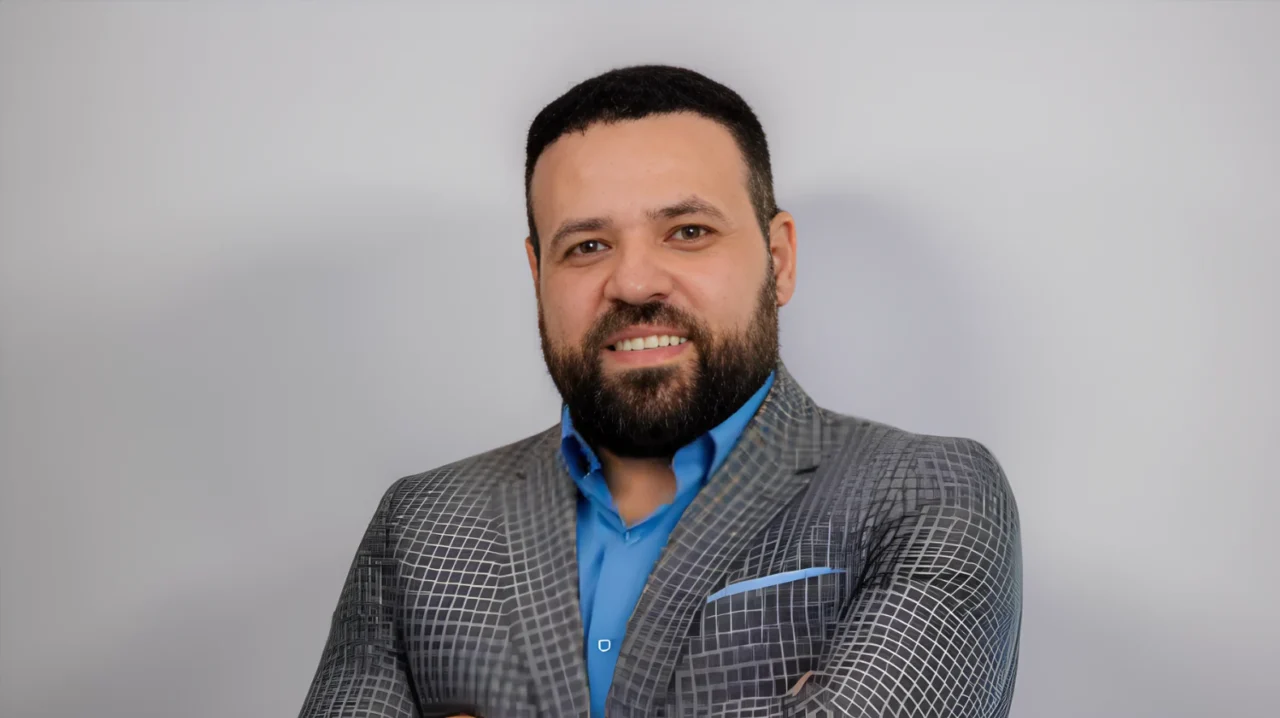
Abdelrahman H. Daifalla: Is the Couple Clinically Ready to Proceed with IVF or ICSI?
Abdelrahman H. Daifalla, Medical Director and Consultant in IVF/ICSI at Queens Medical Center and Consultant in IVF and Reproductive Medicine at Gannah IVF Hospital, shared on LinkedIn:
“Before IVF or ICSI begins, there is a fundamental question that is not always easy to answer:
Is this couple clinically ready to proceed – or is there something actionable to optimize first, and why?
Today, I am sharing the first public, non-confidential clinical demonstration of DISS – Daifalla IVF Success System.
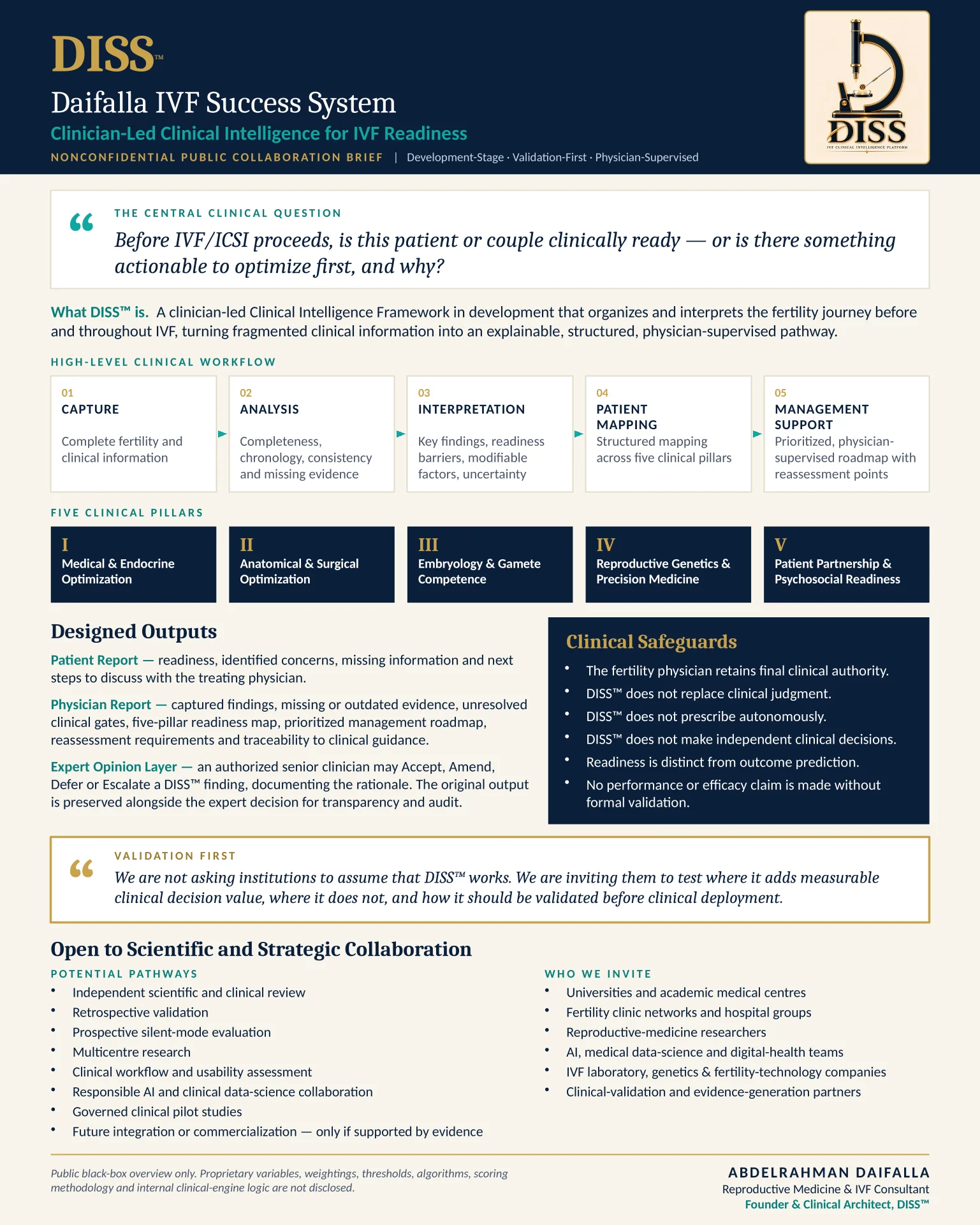
DISS is a clinician-led Clinical Intelligence Framework being developed to organize fragmented fertility information into an explainable, structured, and physician-supervised readiness pathway.
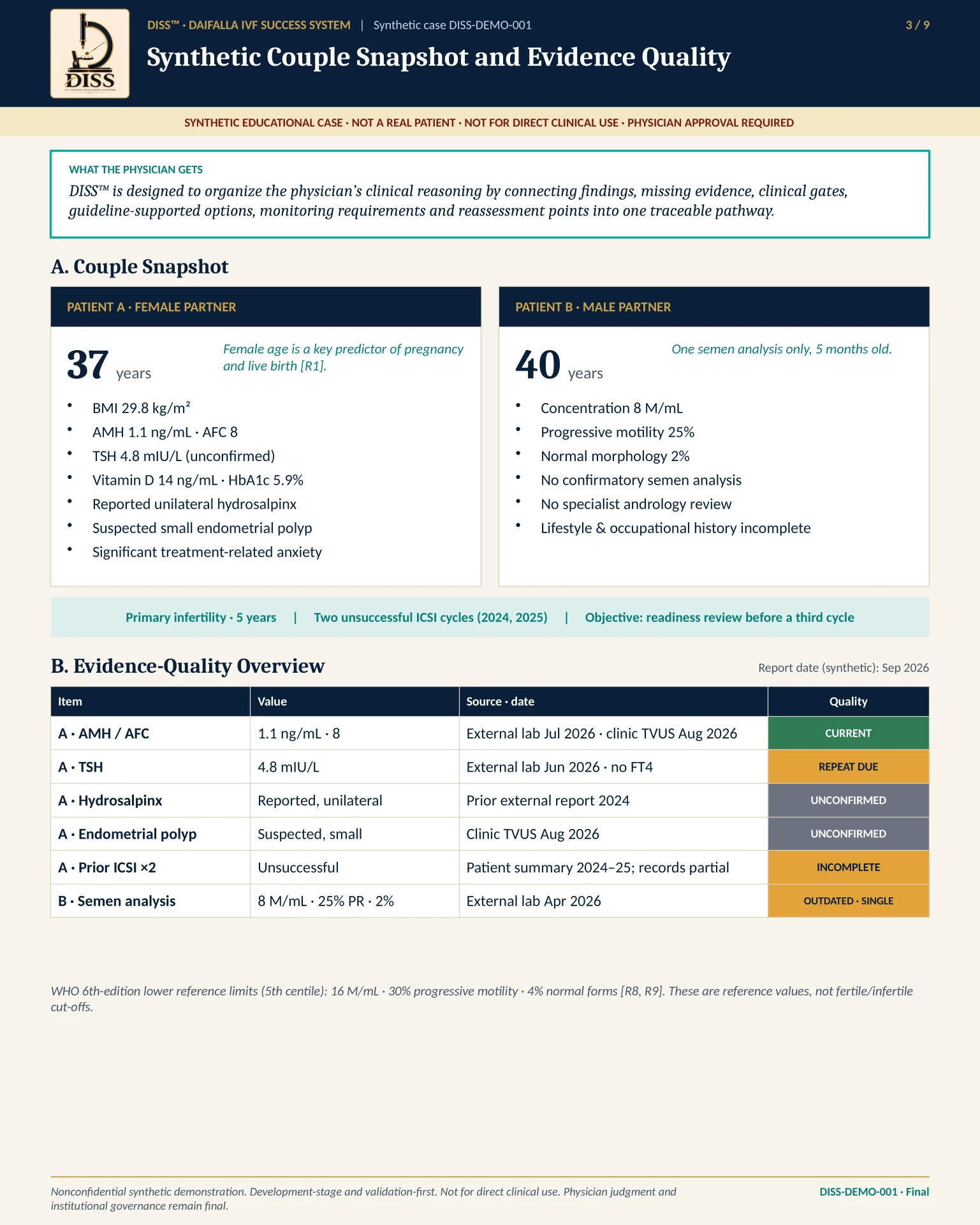
Using a completely synthetic couple – not real patients – this demonstration shows how DISS may support the clinical team through:
- Structured capture of the couple’s fertility journey
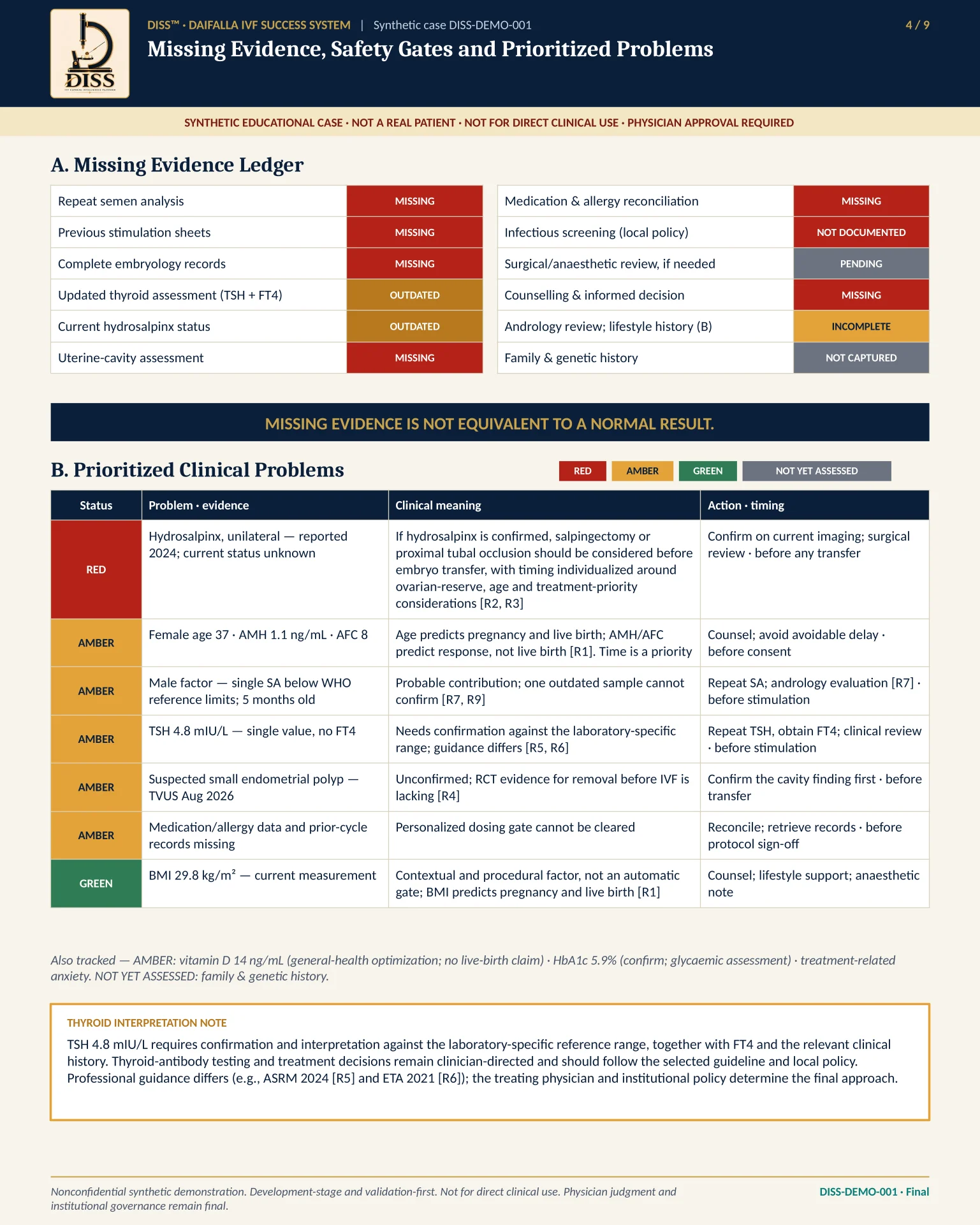
- Detection of missing, incomplete, or outdated evidence
- Identification of unresolved clinical and safety gates
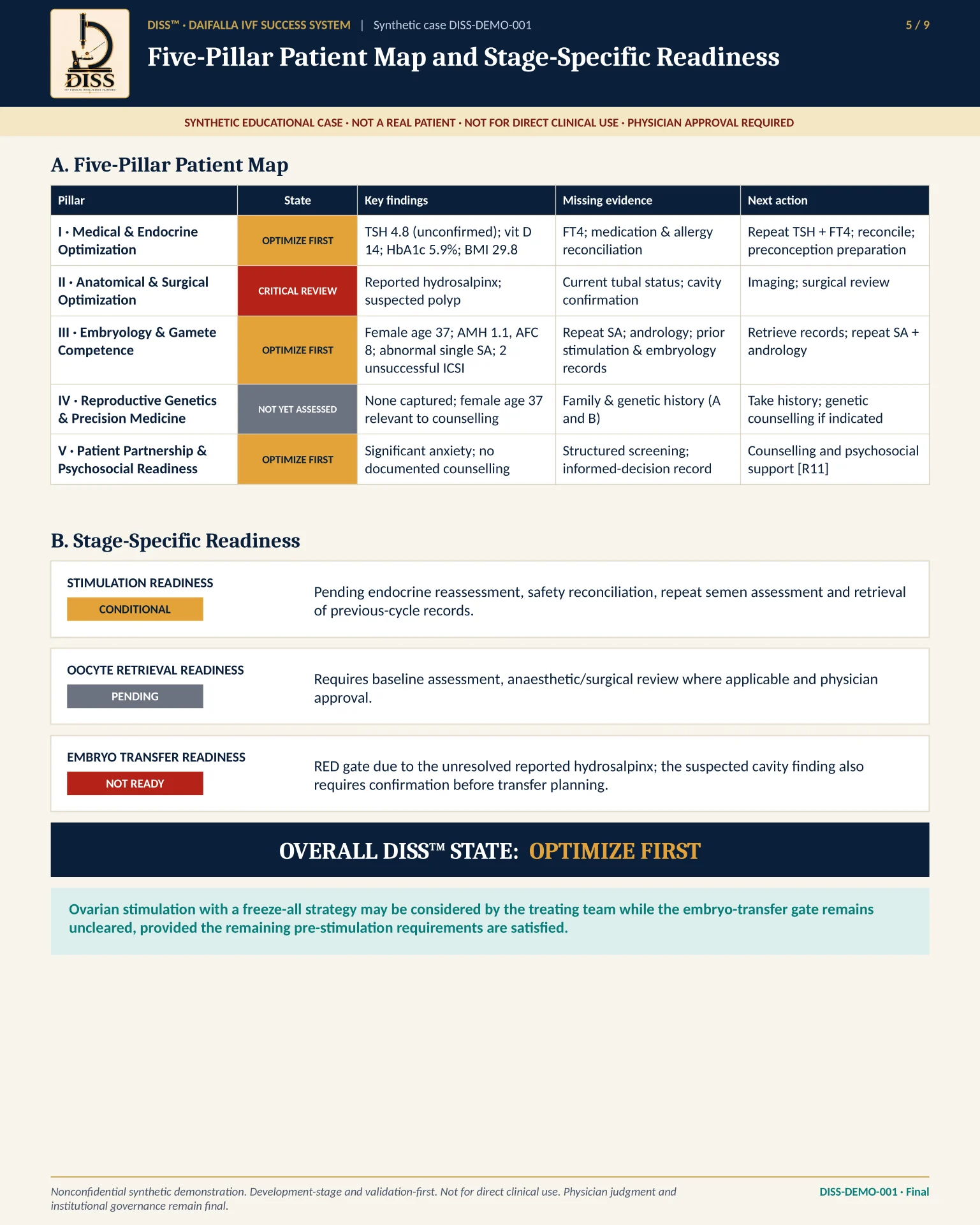
- Mapping across five clinical pillars
- Stage-specific readiness for stimulation, oocyte retrieval and embryo transfer
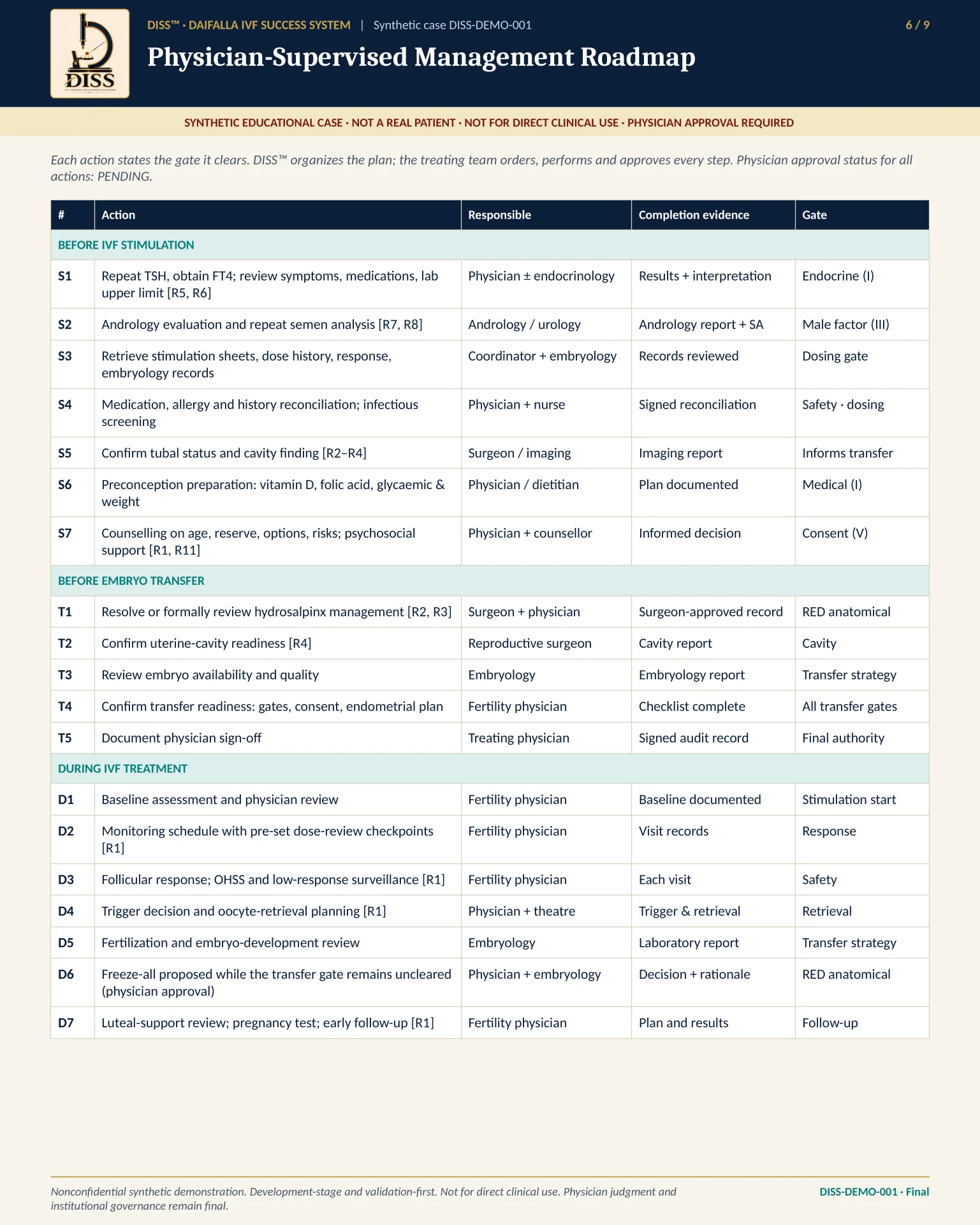
- A prioritized physician-supervised management roadmap
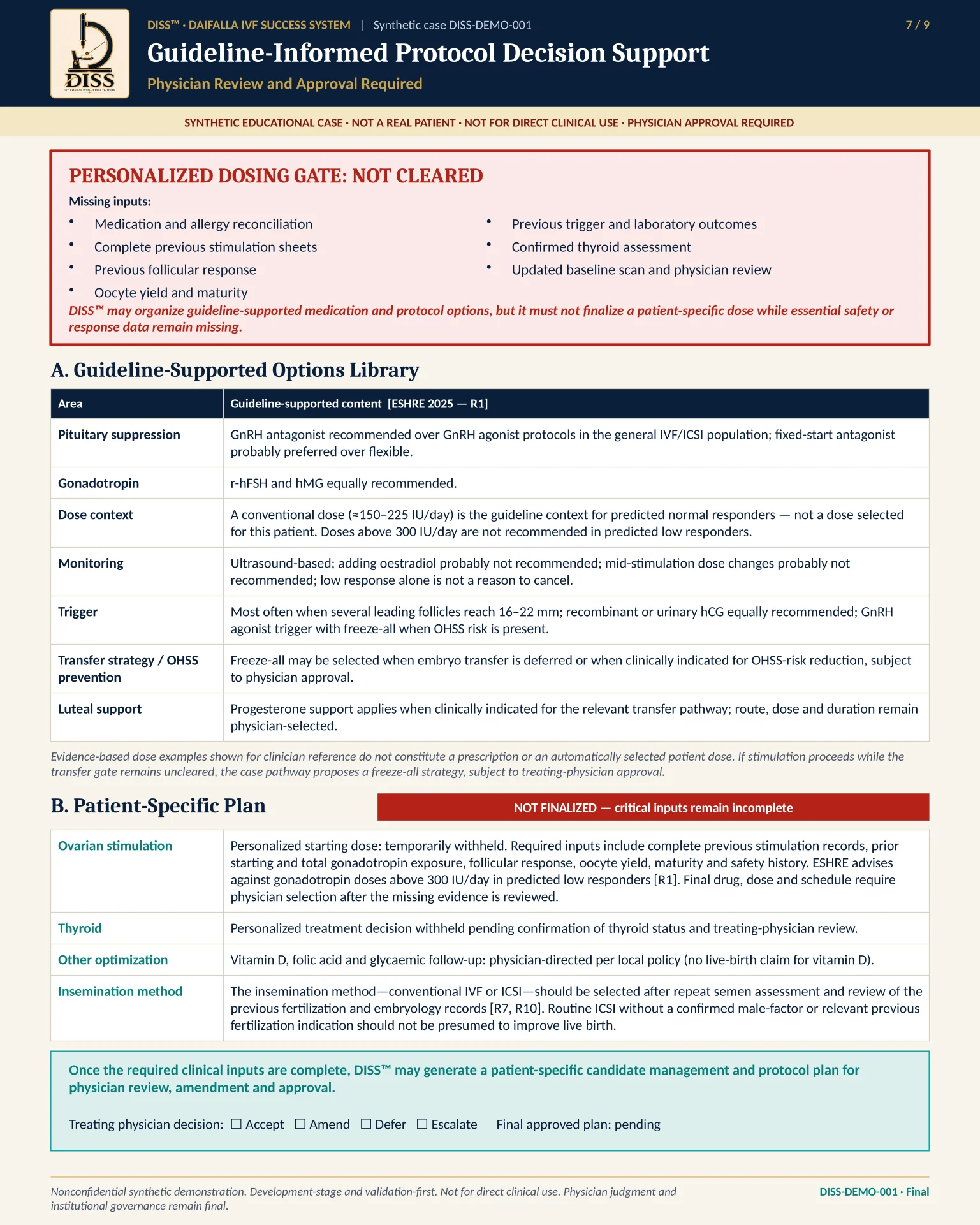
- Guideline-informed protocol decision support
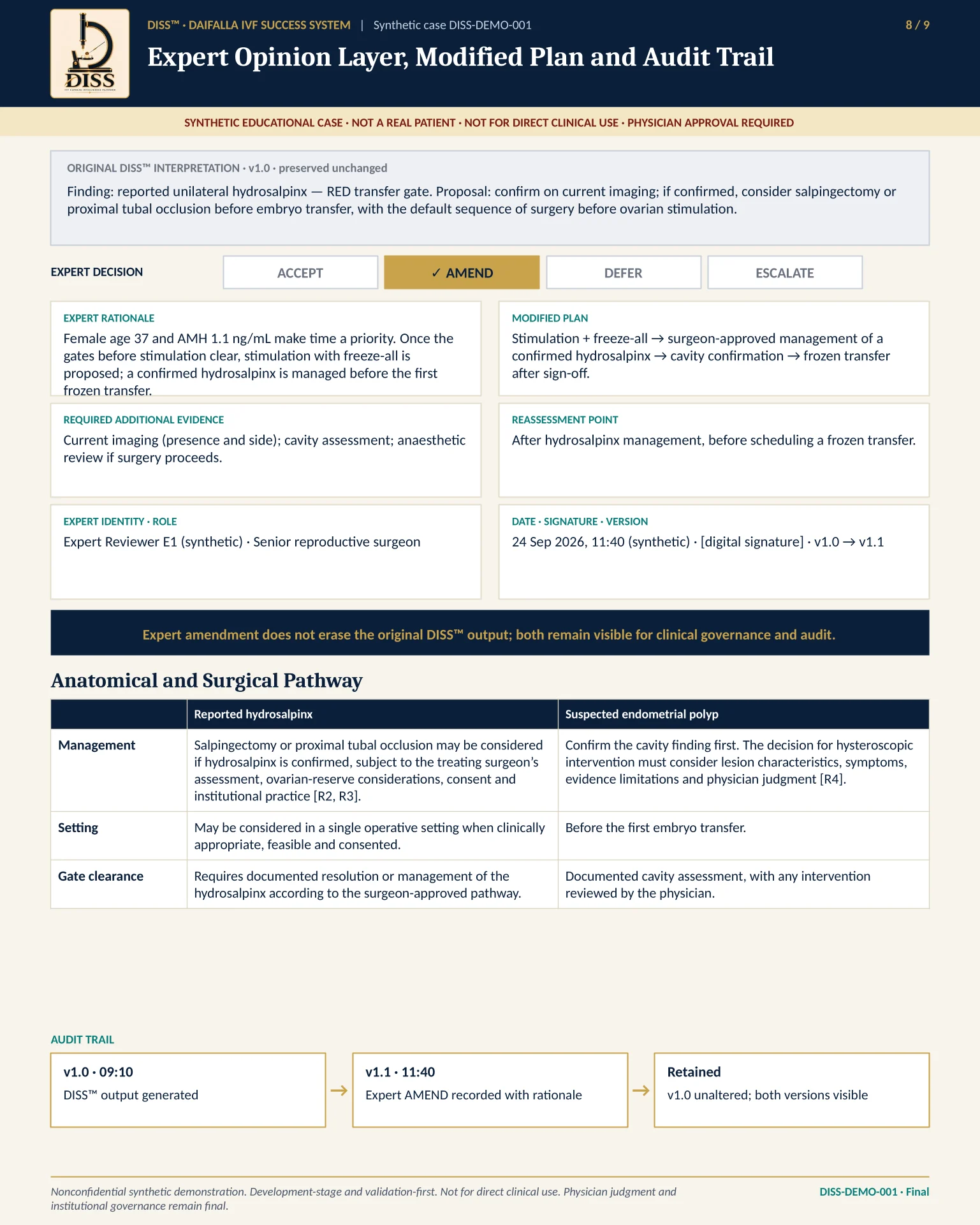
- An Expert Opinion Layer allowing a senior clinician to Accept, Amend, Defer or Escalate the proposed output
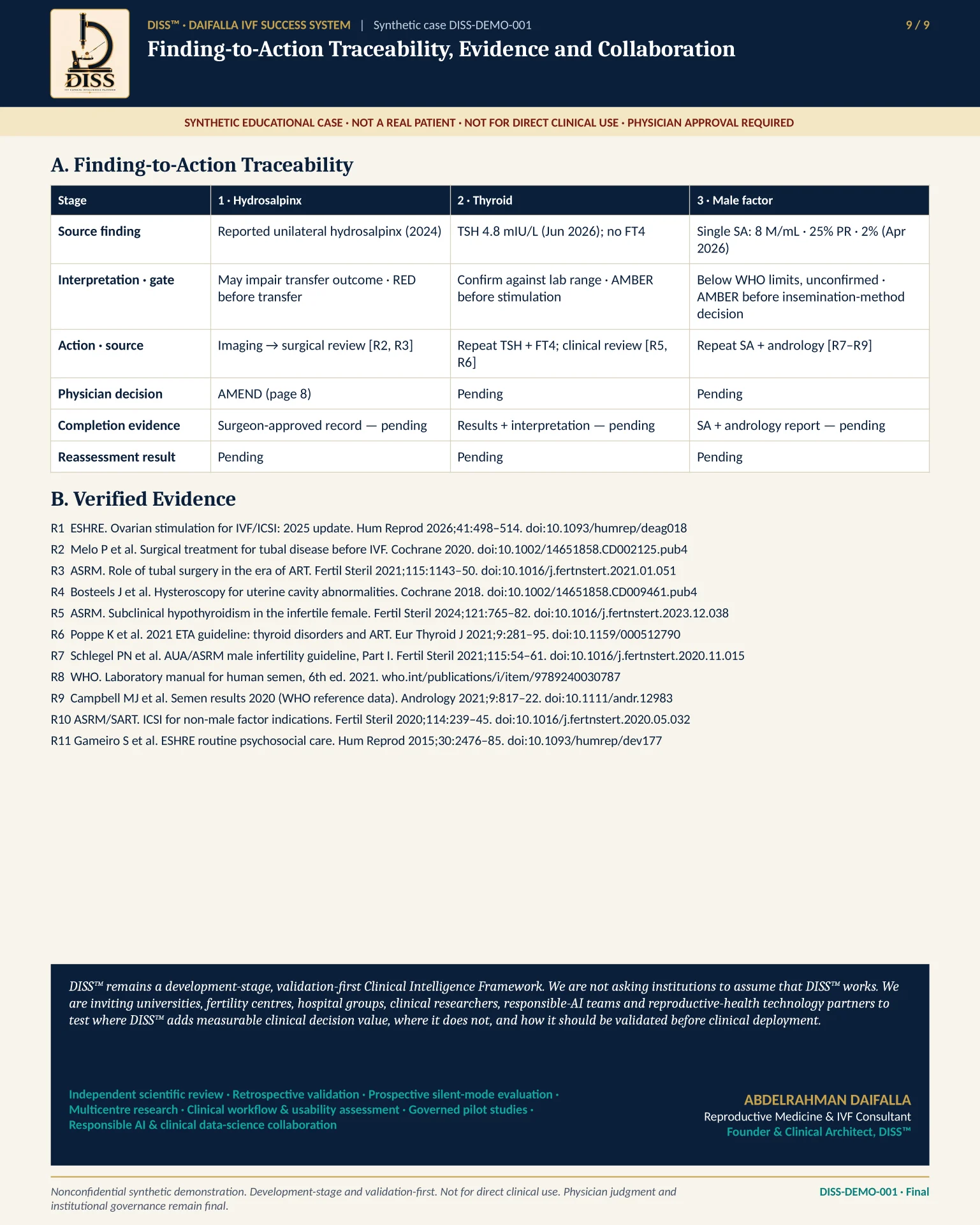
- A preserved audit trail connecting each finding to its action, evidence and final clinical decision
The most important principle is simple:
DISS does not replace the fertility physician.
It is designed to help organize clinical reasoning, expose missing evidence, connect findings across disciplines and present guideline-supported options – while final authority remains entirely with the treating physician and the institution.
DISS remains development-stage and validation-first.
I am not asking institutions to assume that it works.
I am inviting universities, fertility centres, hospital groups, reproductive-medicine researchers, responsible-AI teams and fertility-technology organizations to help test:
- Where DISS adds measurable clinical decision value
- Where it does not
- How reproducible its outputs are
- Whether it improves missing-data detection and review consistency
- How it performs in retrospective evaluation and prospective silent mode
- What governance is required before any clinical deployment
I would be pleased to explore independent scientific review, multicentre validation, clinical-workflow assessment, responsible-AI collaboration, and governed pilot studies.
Your scientific and clinical feedback would be deeply valued.”
Other articles featuring Abdelrahman H. Daifalla on Fertility News.
-
Sep 24, 2026, 16:05New Funding Opportunity for Reproductive Medicine Researchers – ASRM
-
Sep 24, 2026, 16:02Writing Scientific Abstracts in Women’s Health։ Congress Submissions and Beyond – IJGO
-
Sep 24, 2026, 16:00Devyanshi Dixit։ Can 2 Women with the Same Disease Have Completely Different Biology?
-
Sep 24, 2026, 15:56Robert Borowczyk: Why IVF Clinics Lose Patients on Pricing Page
-
Sep 24, 2026, 15:45It’s World Mitochondrial Disease Week – HFEA
-
Sep 24, 2026, 15:38Comprehensive Approaches to Pregnancy Loss – ESHRE SIG Reproductive Genetics
-
Sep 24, 2026, 15:15Komal Rashid Khan: Freezing of Embryos – Preserving Today, Building Tomorrow
-
Sep 24, 2026, 14:59Beyond DNA: What Do Sperm and Oocytes Give the Embryo?
-
Sep 24, 2026, 13:39Fertility Preservation Before Cancer Treatment: What Patients Should Know