
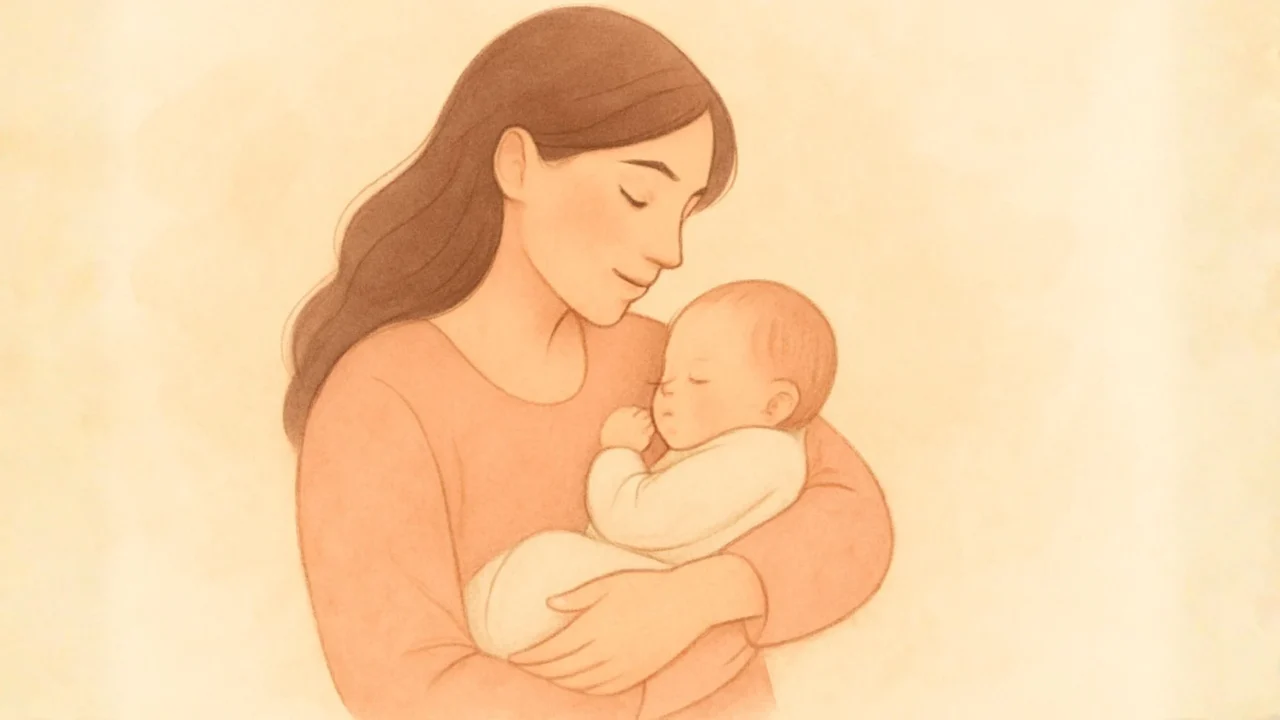
Ashok Yadav: Postpartum Recovery and Hormonal Reset
Ashok Yadav, Biology faculty at Apex Academy, shared a post on LinkedIn:
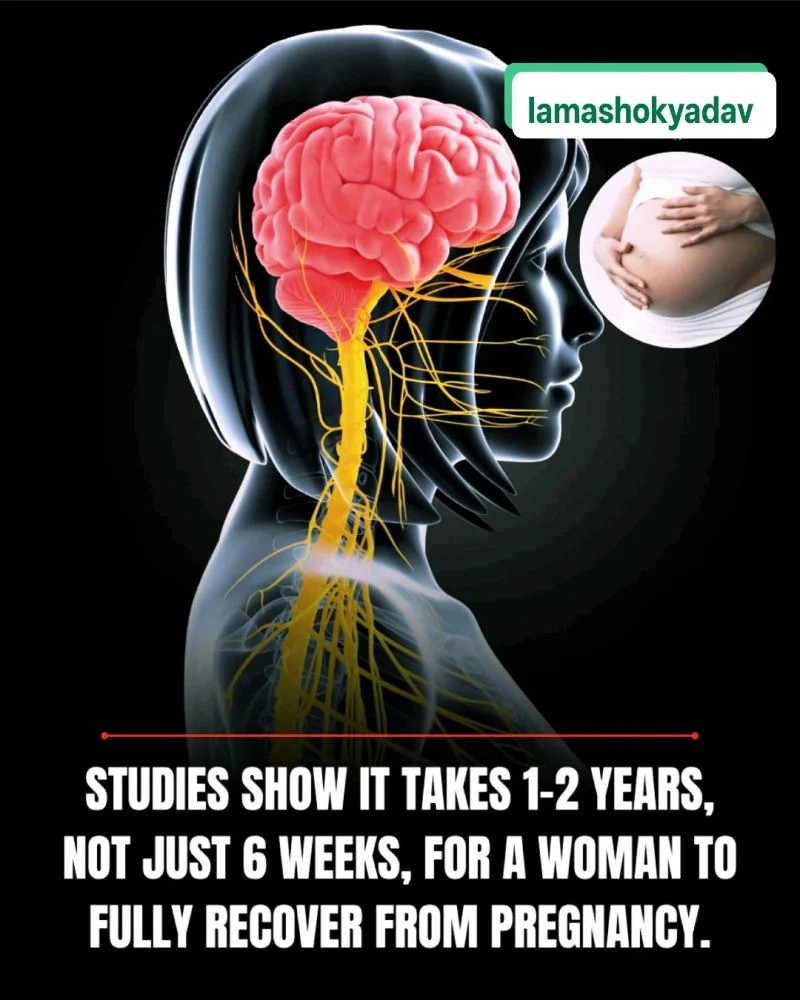
“Studies are revealing that it can take 1-2 years (and in some cases even longer) for a woman’s brain, hormones and body to fully recover after pregnancy and delivery due to the dramatic hormone shifts, significant brain restructuring and lengthy physical healing process.
Understanding the hormonal landscape:
A woman’s hormones experience the most dramatic shift of any period in her life after giving birth. While some hormones stabilize within months, others can take a year or longer, especially if breastfeeding.
Sudden crash of pregnancy hormones: The delivery of the placenta causes an immediate, massive, and rapid drop in estrogen and progesterone, which were at extremely high levels throughout the pregnancy. This sharp withdrawal is a key cause of the ‘baby blues‘ involving mood swings, sadness and irritability in the first couple of weeks.
Prolactin and oxytocin for breastfeeding: If a woman breastfeeds, her levels of prolactin (the milk-producing hormone) and oxytocin (the bonding hormone) stay elevated for months. These hormonal changes suppress ovulation and can cause vaginal dryness and lowered libido. It is not until breastfeeding is significantly reduced or stopped that these hormones return to pre-pregnancy levels, which can take well over a year.
The stress hormone cortisol: The combination of physical recovery and sleep deprivation causes the stress hormone cortisol to remain elevated for an extended period. High cortisol can contribute to feelings of anxiety and fatigue and can prevent the balancing and regulation of hormones by the body.
Thyroid fluctuation: Some women, particularly those with a history of thyroid issues, can experience thyroid dysfunction for several months after birth. This can affect mood and energy levels and further disrupt the hormonal balance.”
Stay updated on all scientific advances in the field of fertility with Fertility News.
-
Mar 21, 2026, 15:00Samantha Butts Shares Personal and Professional Insights in ASRM Close Up
-
Mar 21, 2026, 14:47Scammers Are Targeting ESHRE2026 Attendees – ESHRE
-
Mar 21, 2026, 14:26No Obvious Harm From Prolonged Oocyte Cryostorage – RBMO
-
Mar 21, 2026, 14:13Empowering Change: Health Systems at the Forefront of Ending FGM/C! – FIGO
-
Mar 21, 2026, 09:56Expanded Carrier Screening: Clinical, Ethical, and Psychosocial Perspectives from Ghent – ESHRE
-
Mar 21, 2026, 09:53Impact of Male Obesity on Embryo Development and Miscarriage Risk – Fertility and Sterility
-
Mar 20, 2026, 17:06Christopher Robinson: AJOG Expert Review on Placenta Accreta After Cesarean
-
Mar 20, 2026, 16:53HCG Failure and Trigger Strategies in IVF – Fertility Plus
-
Mar 20, 2026, 16:38Secure Your Early Bird Ticket for RCOG Annual Professional Development Conference – RCOG