

Aumatma Simmons/LinkedIn
Aug 12, 2026, 16:59
Aumatma Simmons: Commonly Overlooked Hormone Imbalances Hidden Within “Normal” Range
Aumatma Simmons, Co-Founder and Chief Fertility Officer at Madre Fertility, shared on LinkedIn:
“Standard fertility testing can identify many issues, but some clinically relevant imbalances may be overlooked when results fall within broad reference ranges.
Examples include:
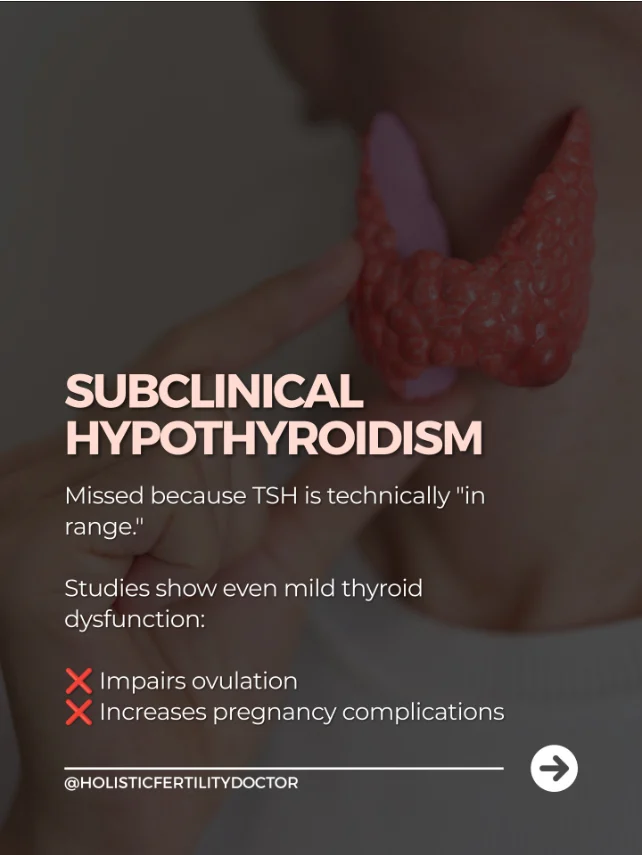
- Thyroid function that is technically ‘normal’ but may still warrant closer evaluation in the context of fertility
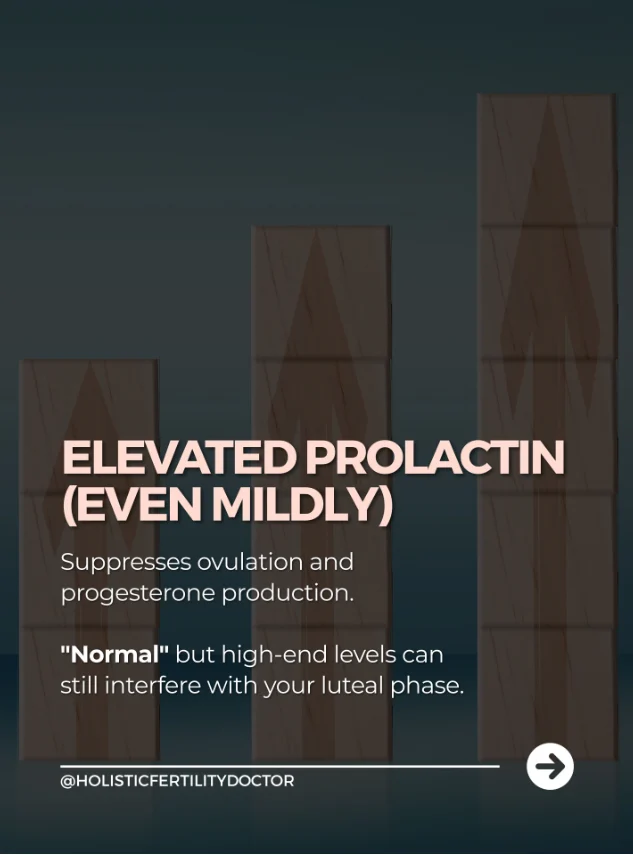
- High normal prolactin levels that may influence ovulation and luteal phase function
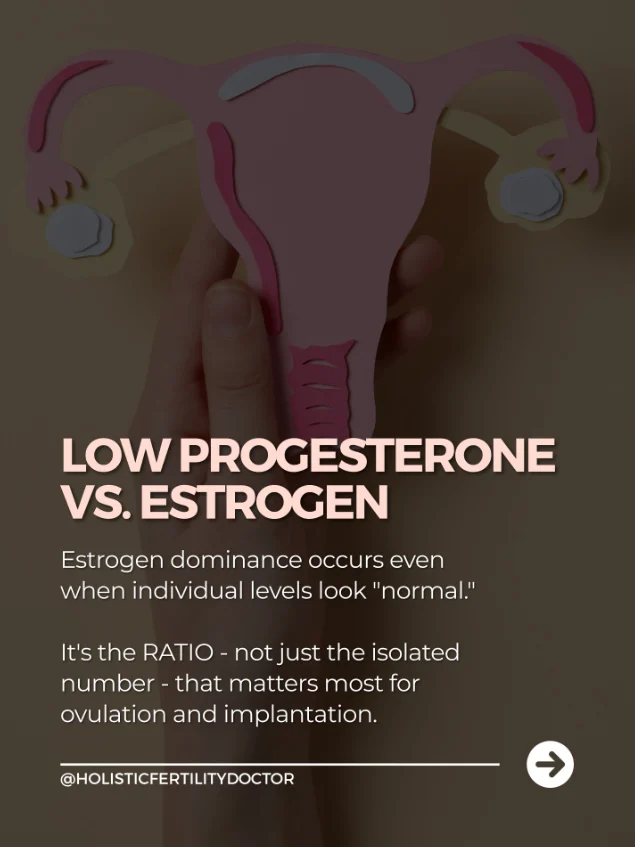
- Imbalances between estrogen and progesterone despite individual values appearing normal
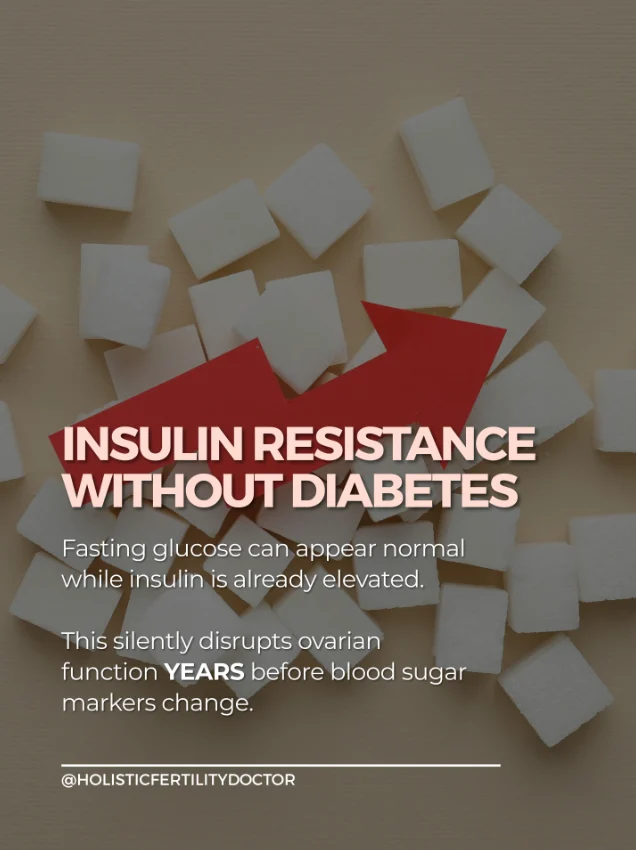
- Early insulin resistance that may affect ovarian function before glucose levels become abnormal
Key Insight:
Reference ranges are designed to identify disease, not always optimal reproductive function.
Interpreting laboratory results within the context of a patient’s symptoms, history, and fertility goals can provide a more complete picture.
How do you balance standard reference ranges with clinical context when evaluating fertility patients?”
Other articles featuring Aumatma Simmons on Fertility News.
-
Oct 29, 2026, 16:22Aysha O’Connor: One of the Hardest Parts of My Own Fertility Journey Was Loneliness…
-
Oct 29, 2026, 16:15Chaithra S K: Preimplantation Genetic Testing Still Requires an Embryo Biopsy
-
Oct 29, 2026, 16:11Filipina Woman’s Journey of Strength, Hope, and Finding Balance While Living with PCOS – PCOS Millennials
-
Oct 29, 2026, 15:58Eric Lameignere: Can DNA Fragmentation in Cumulus Cells Predict ICSI Outcomes?
-
Oct 29, 2026, 15:50Saadat Hassan: Sperm Function Testing – Can Advanced Diagnostics Guide IVF and ICSI Selection?
-
Oct 29, 2026, 15:34Sara Spiro: Celebrating the Stories Members Have Trusted With at Maven Clinic – Here Is Mine
-
Oct 29, 2026, 15:31Dina Ibrahem: 0 Motility, 1 Critical Decision
-
Oct 29, 2026, 15:28AI and Automation in Fertility and Genomics: Pipeline or Pipe Dream? – ARCS
-
Oct 29, 2026, 15:26Michael Schindler: Large Networks or Small Centers – Who Delivers Better Care?