
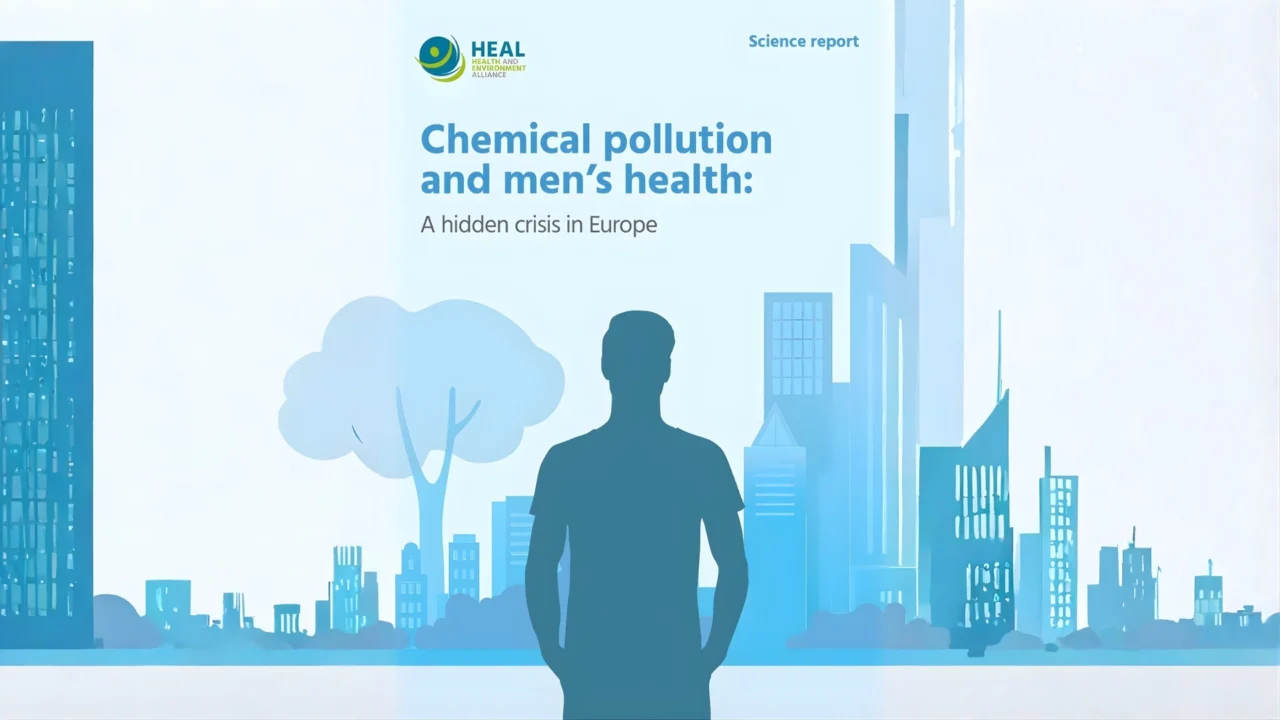
Chemical Pollution’s Impact on Male Reproductive Health – Cesar Fertility
Cesar Fertility shared a post on LinkedIn:
“Chemical pollution and men’s health: a silent crisis… but avoidable
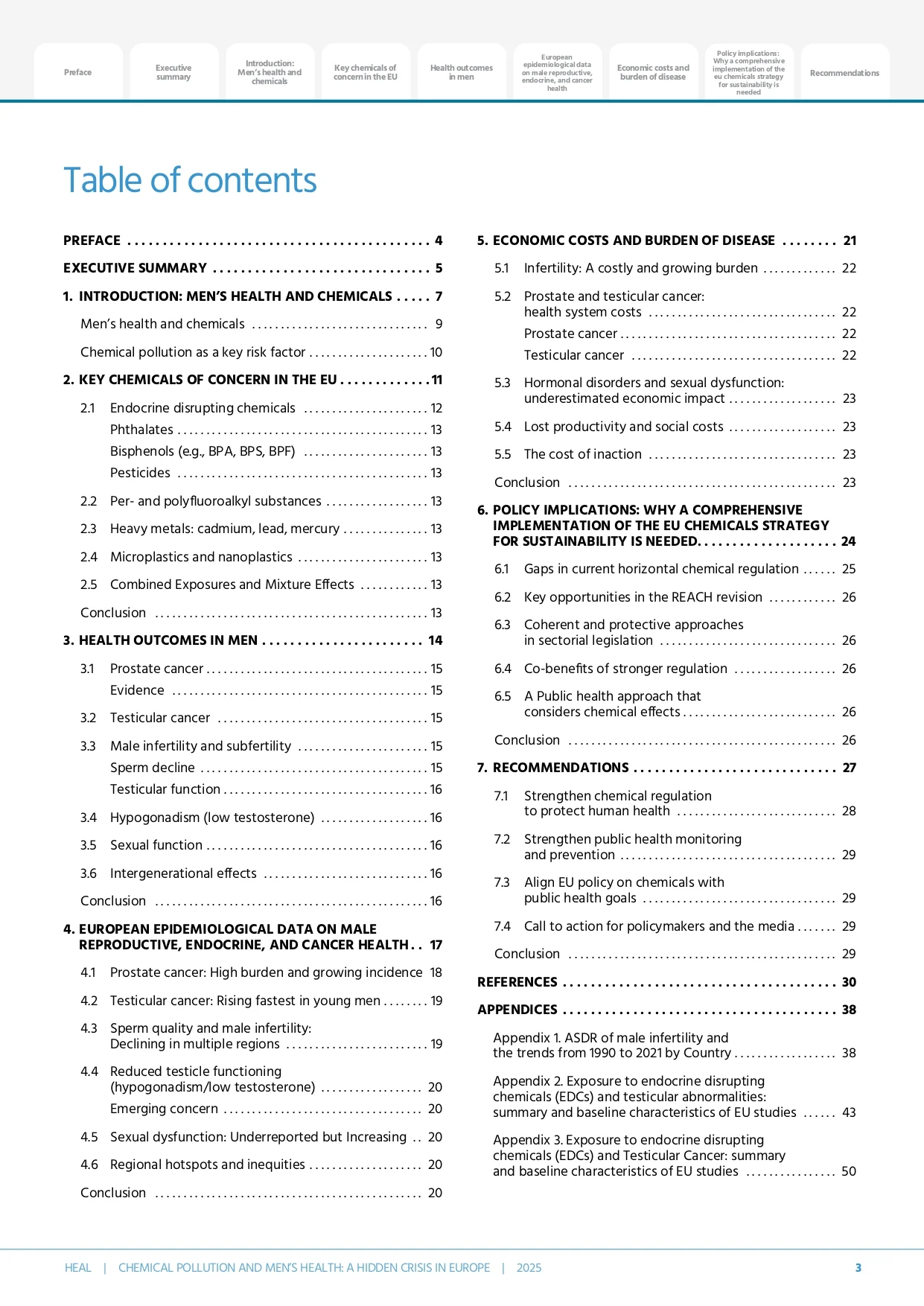
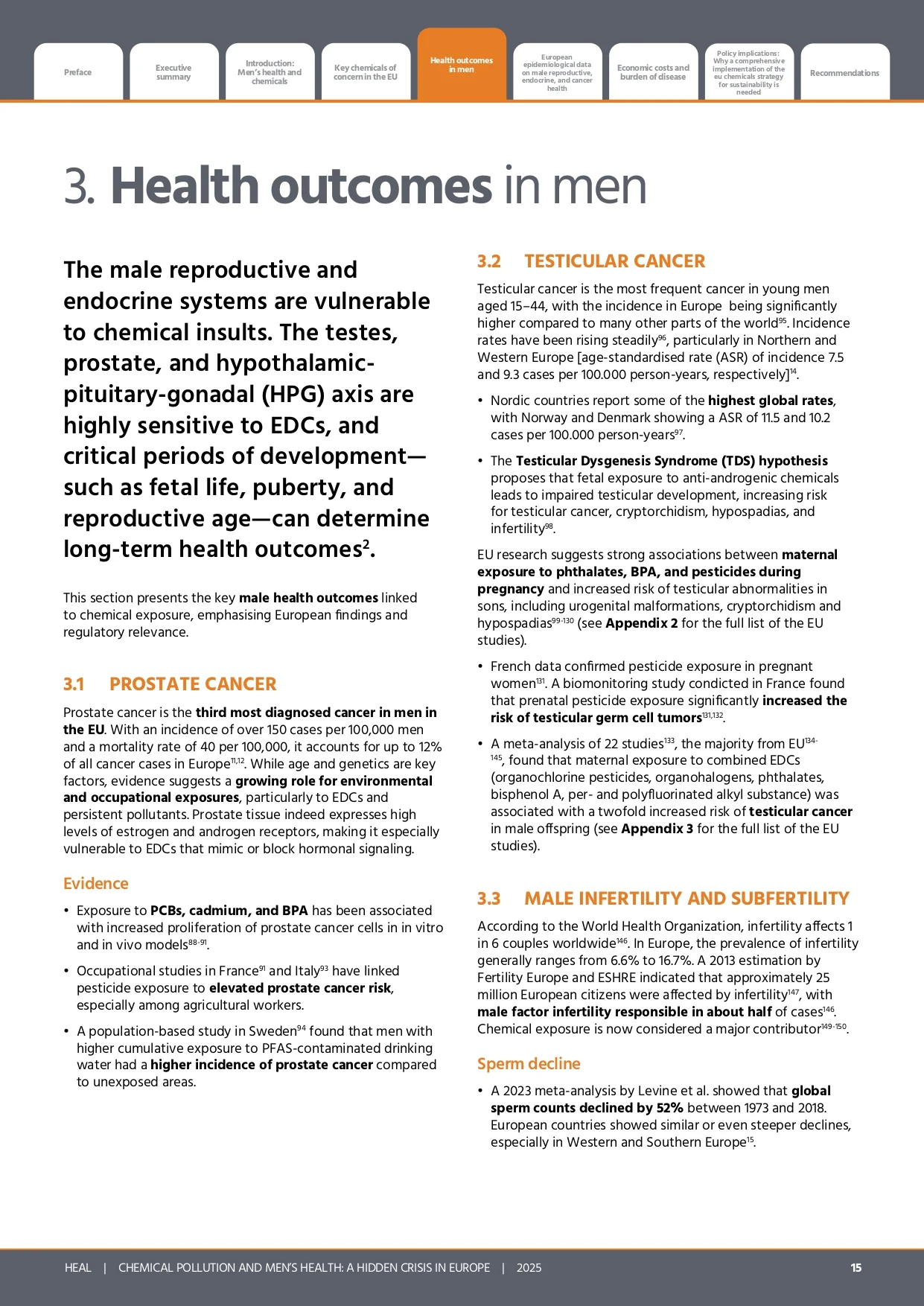
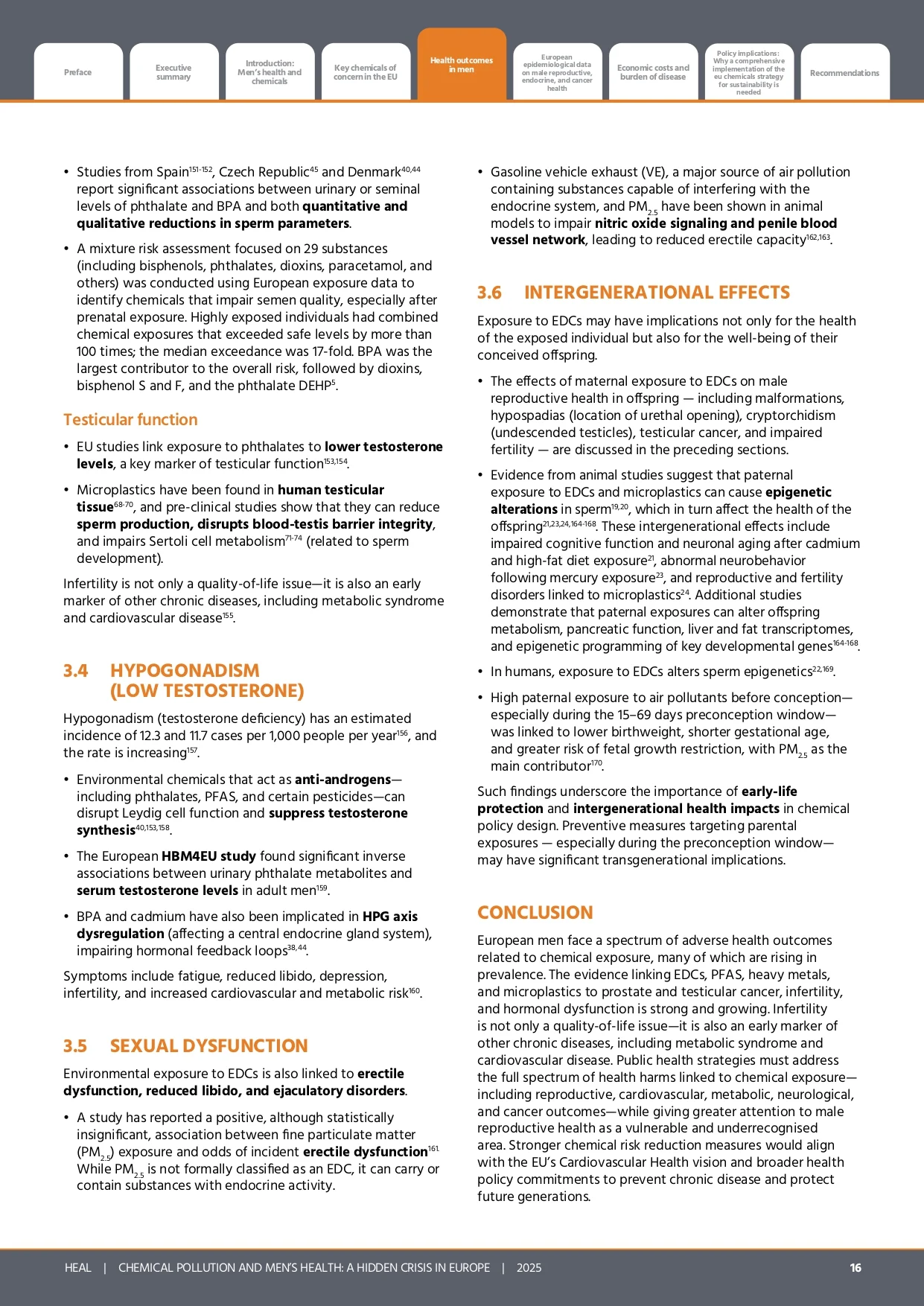
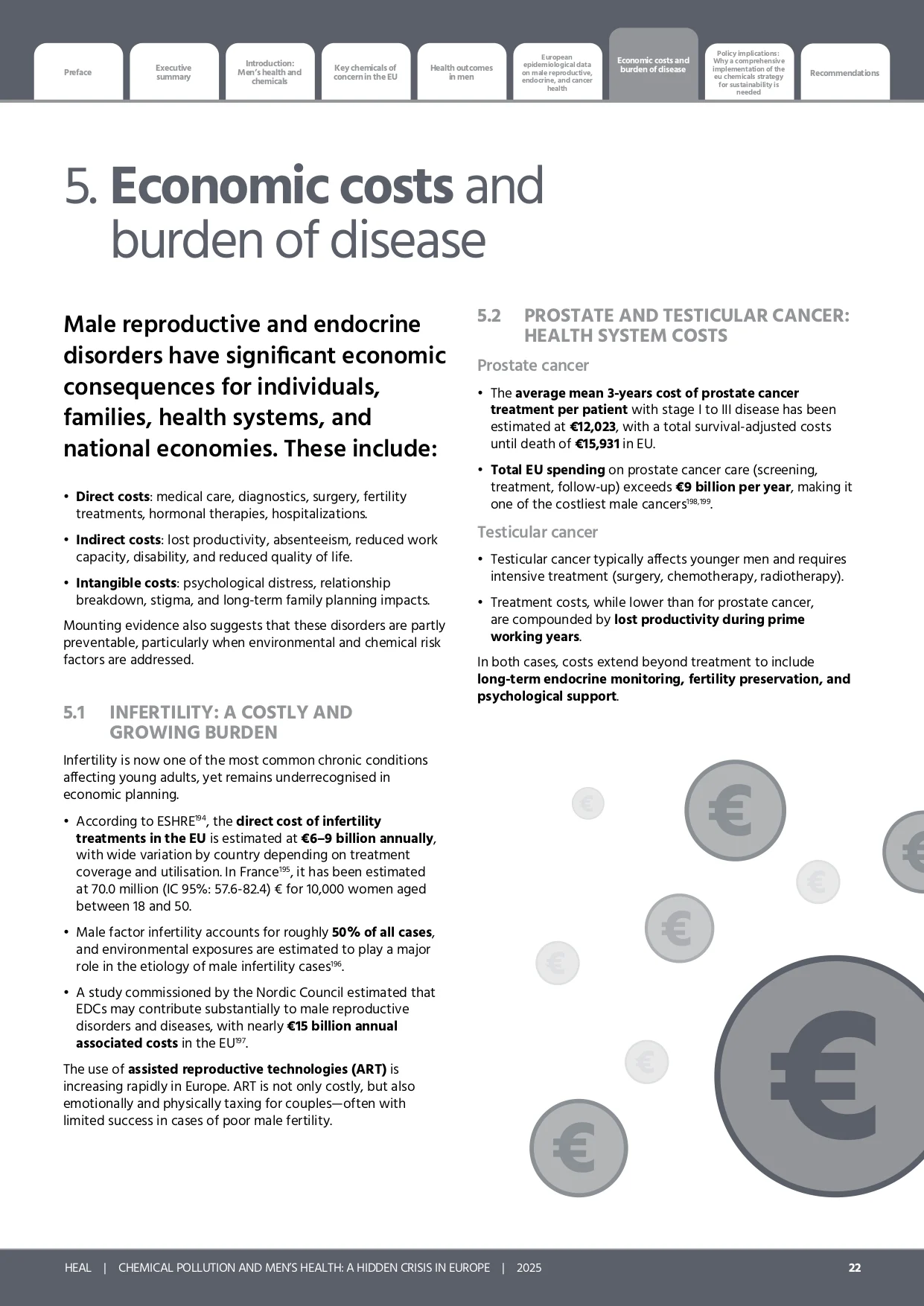
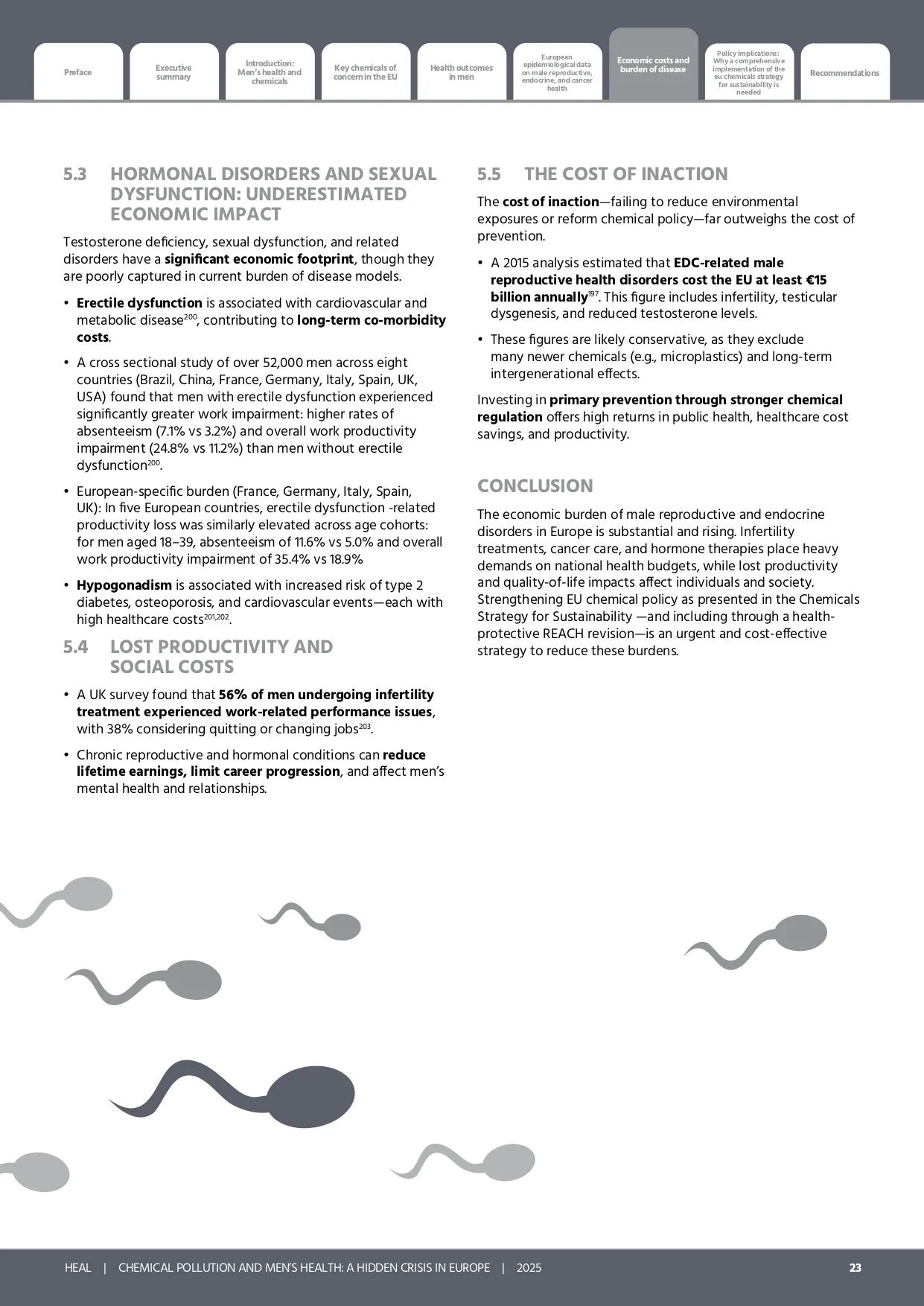
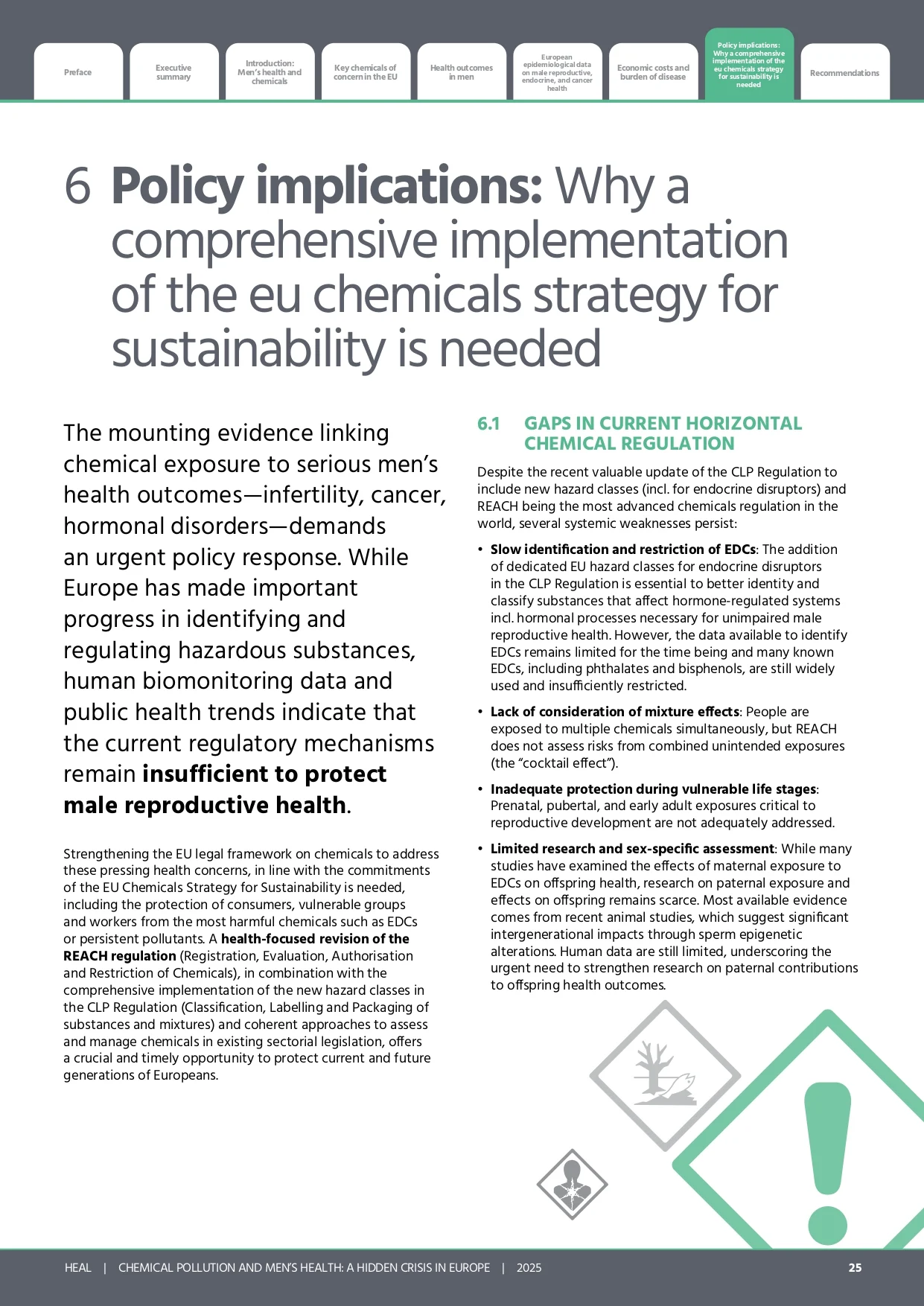
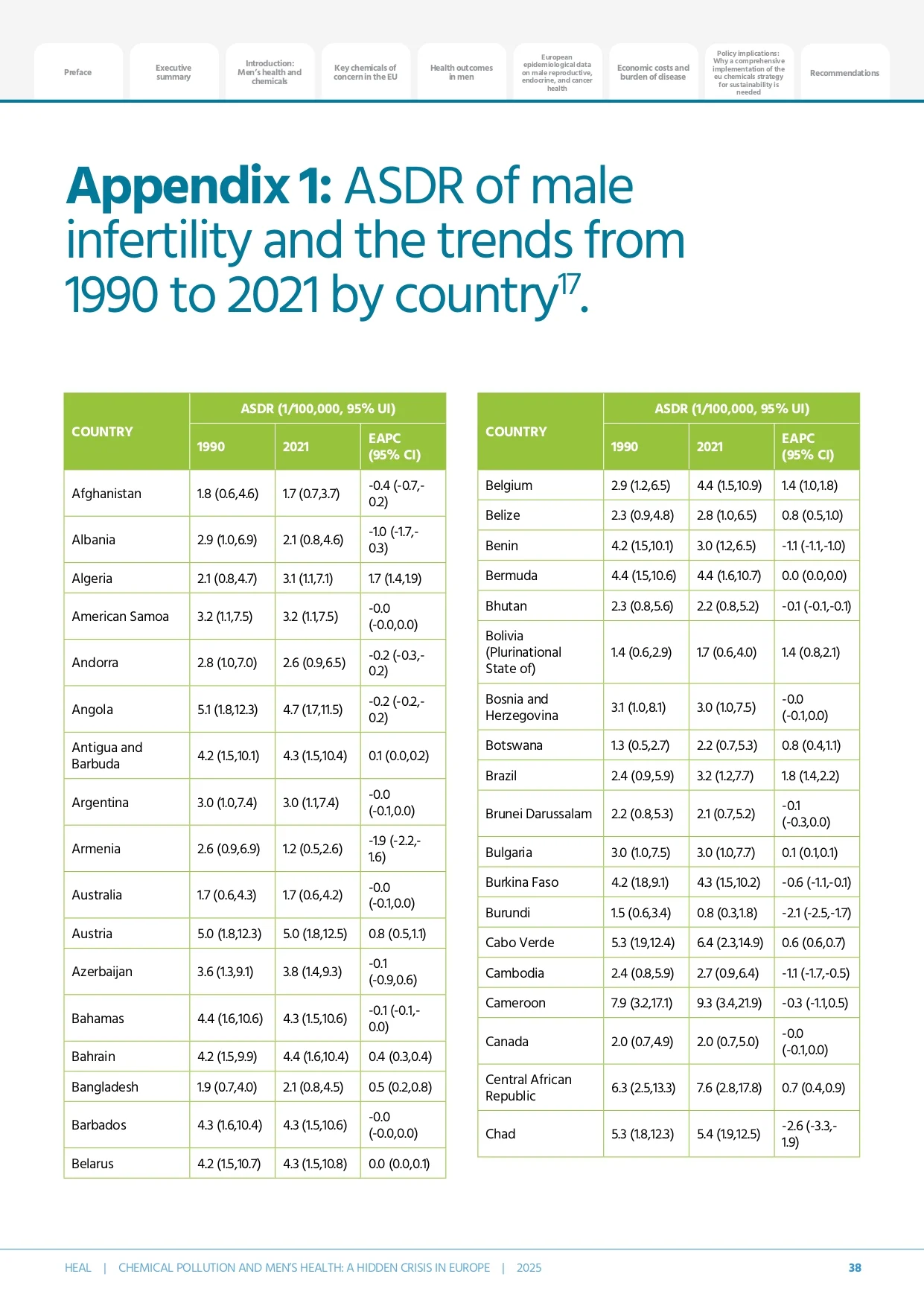
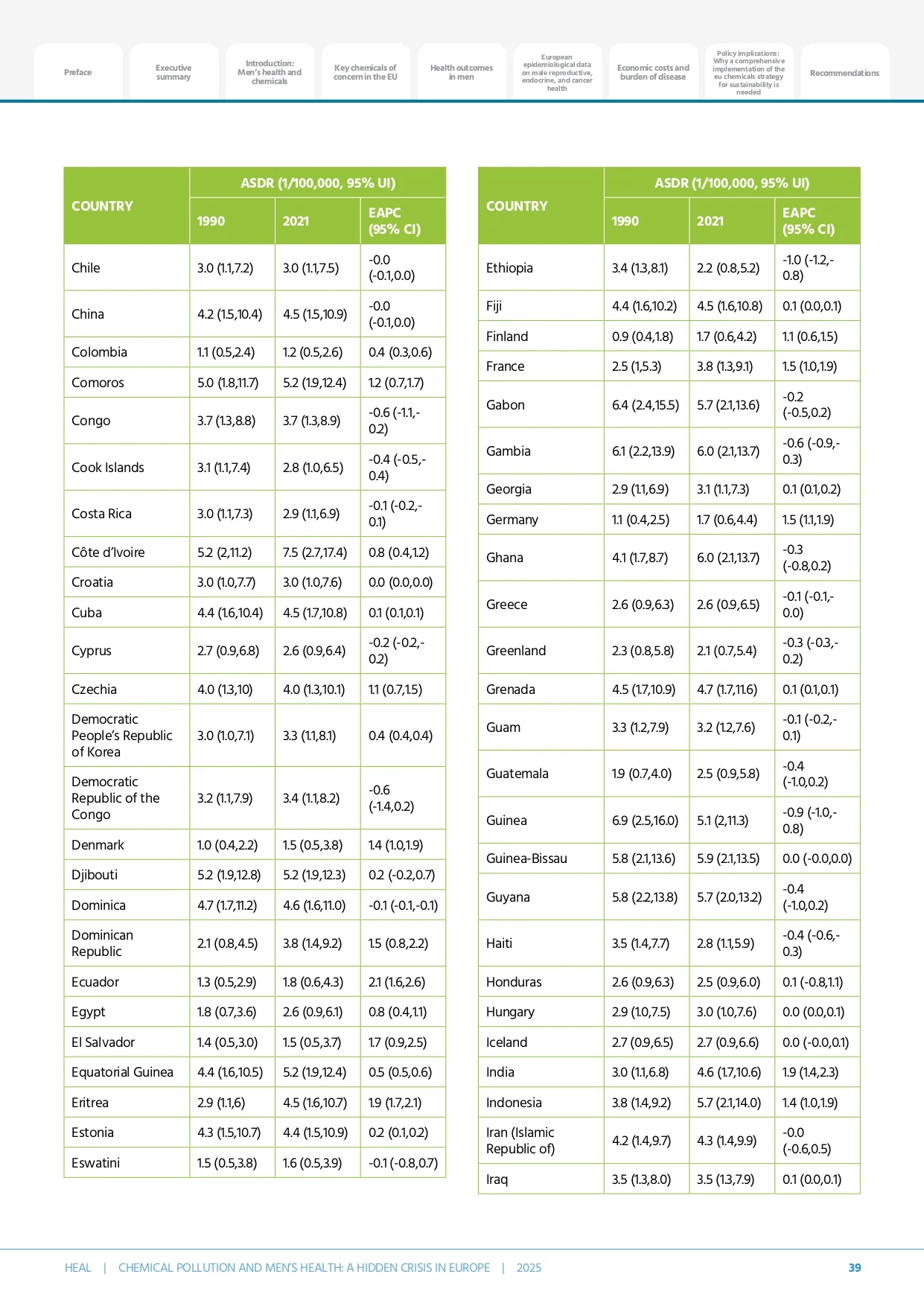
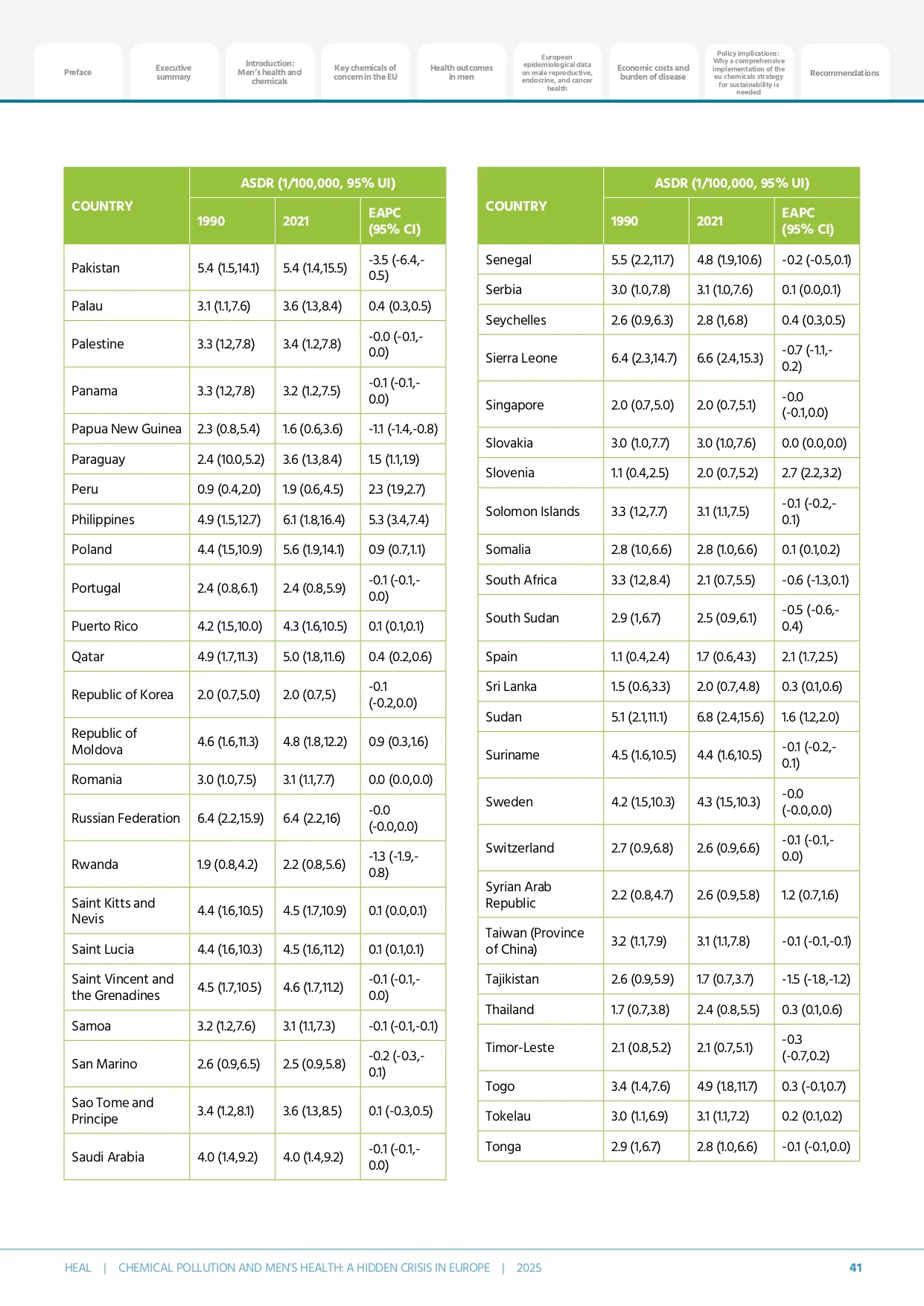
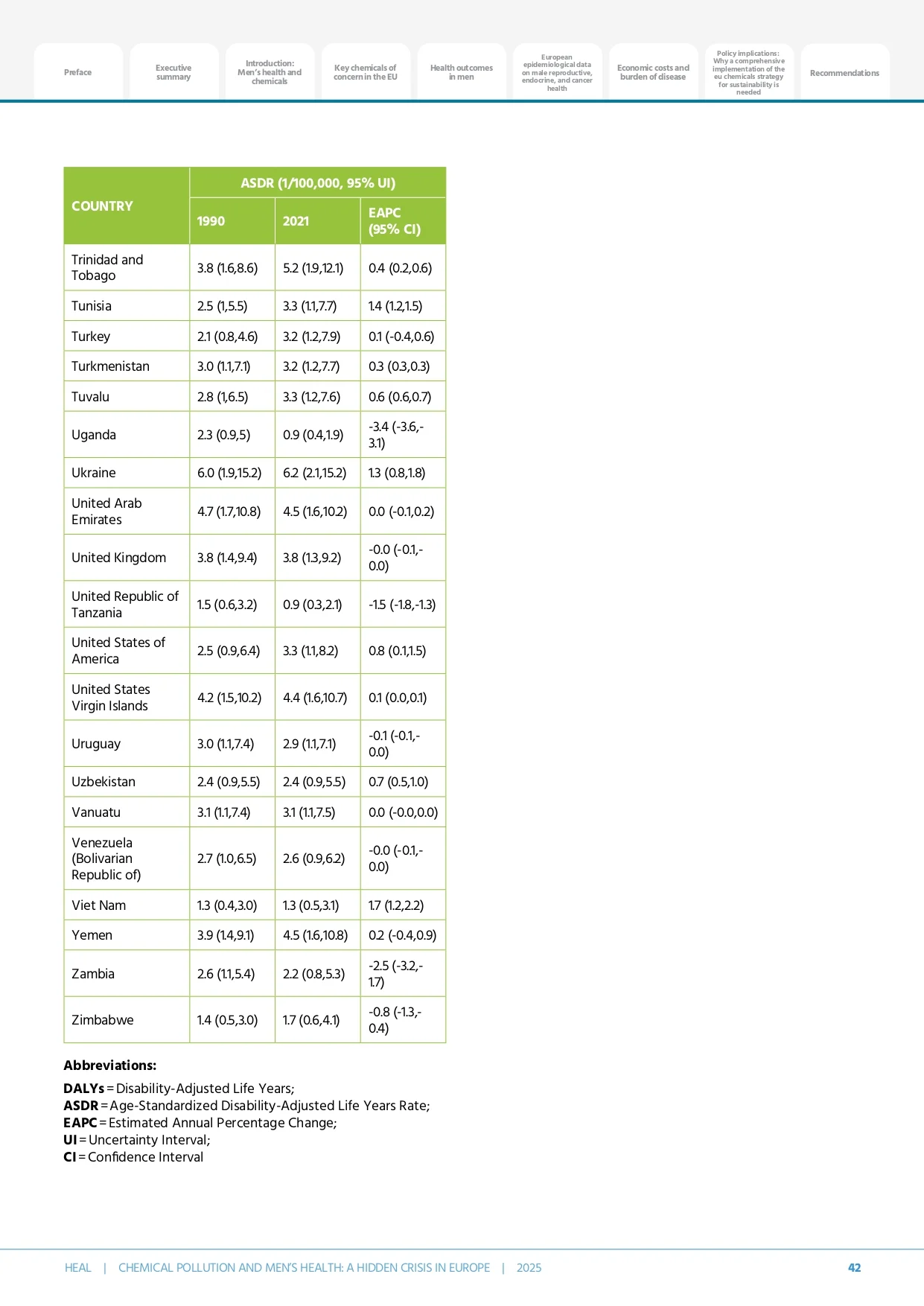
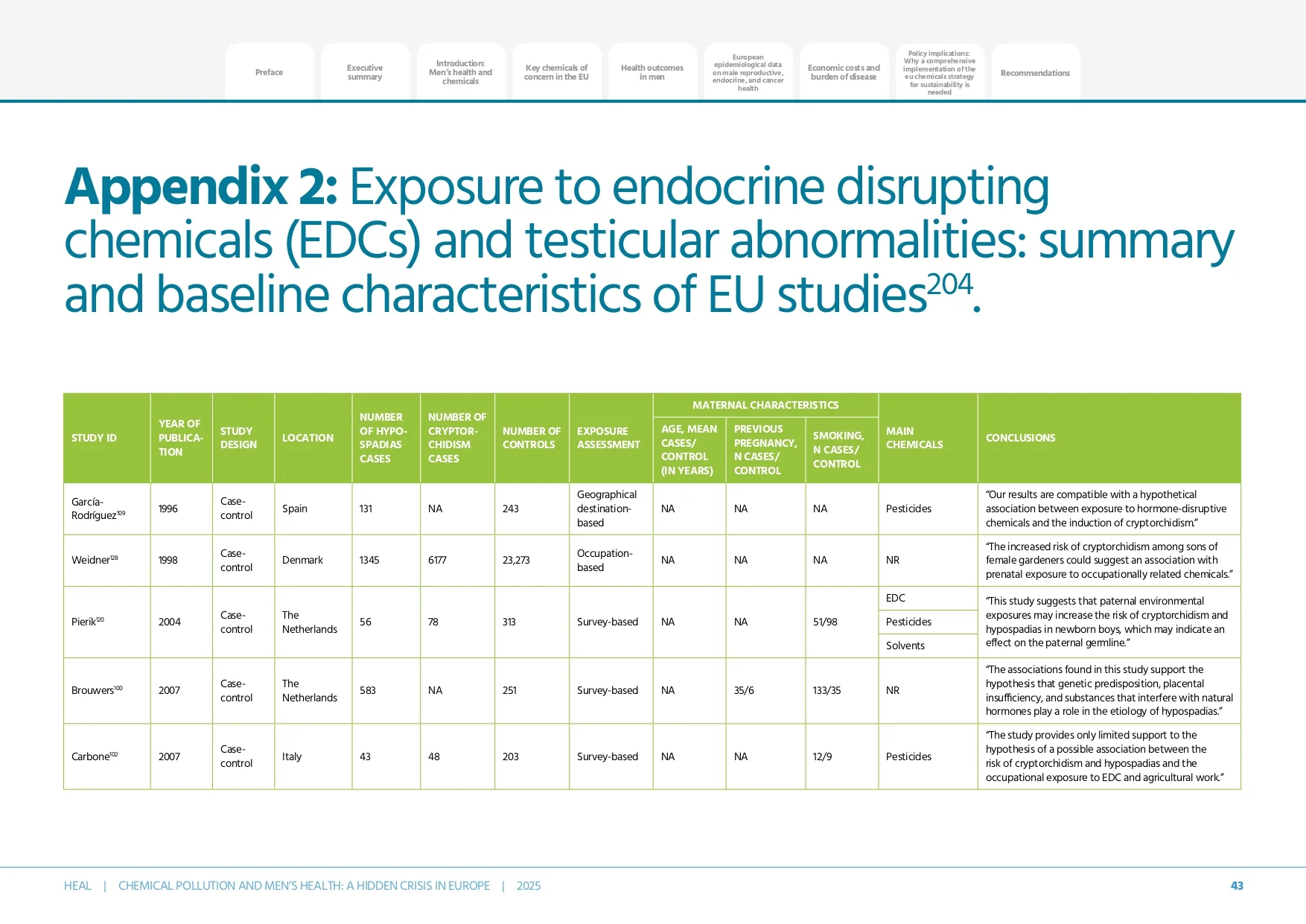
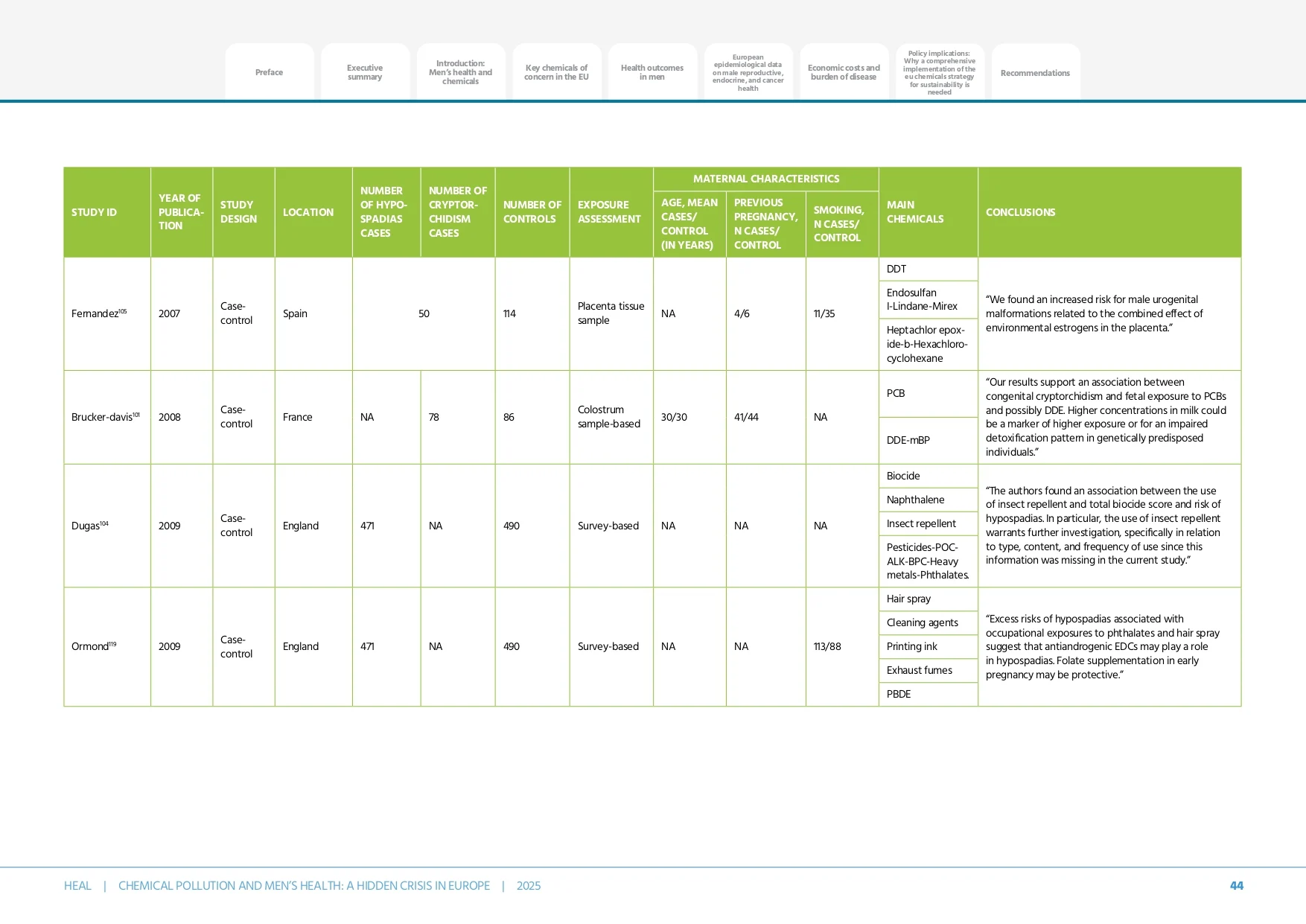
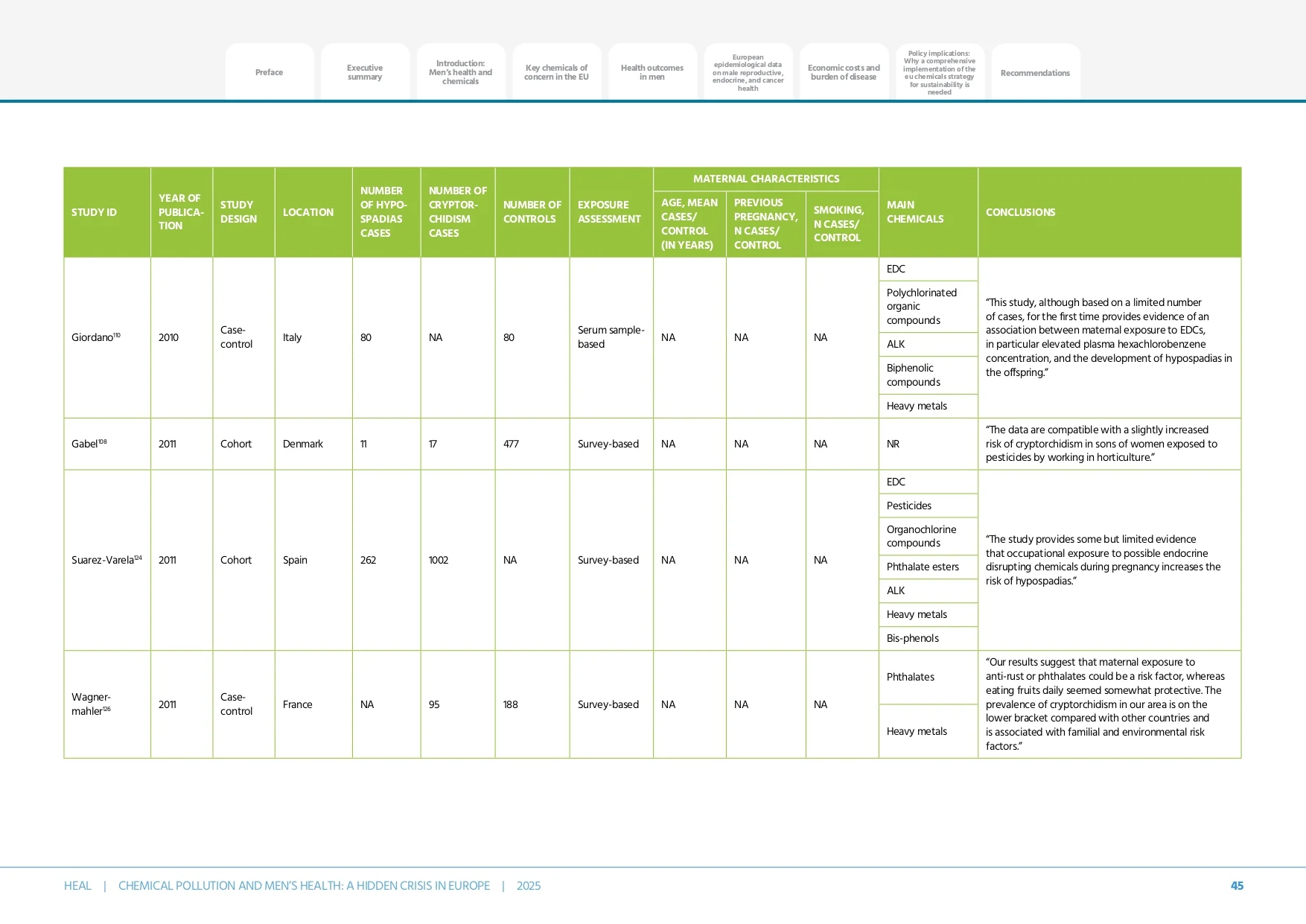
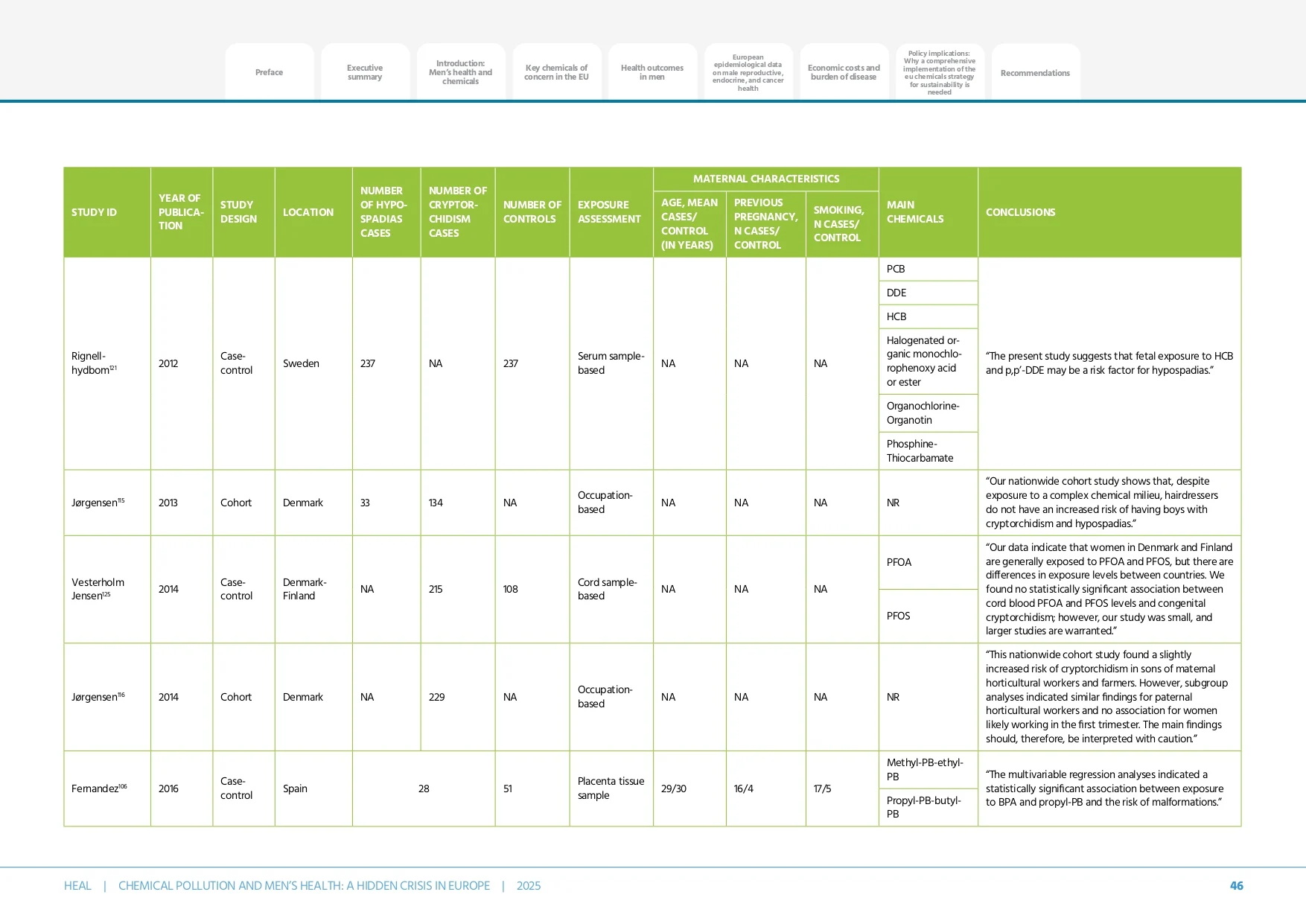
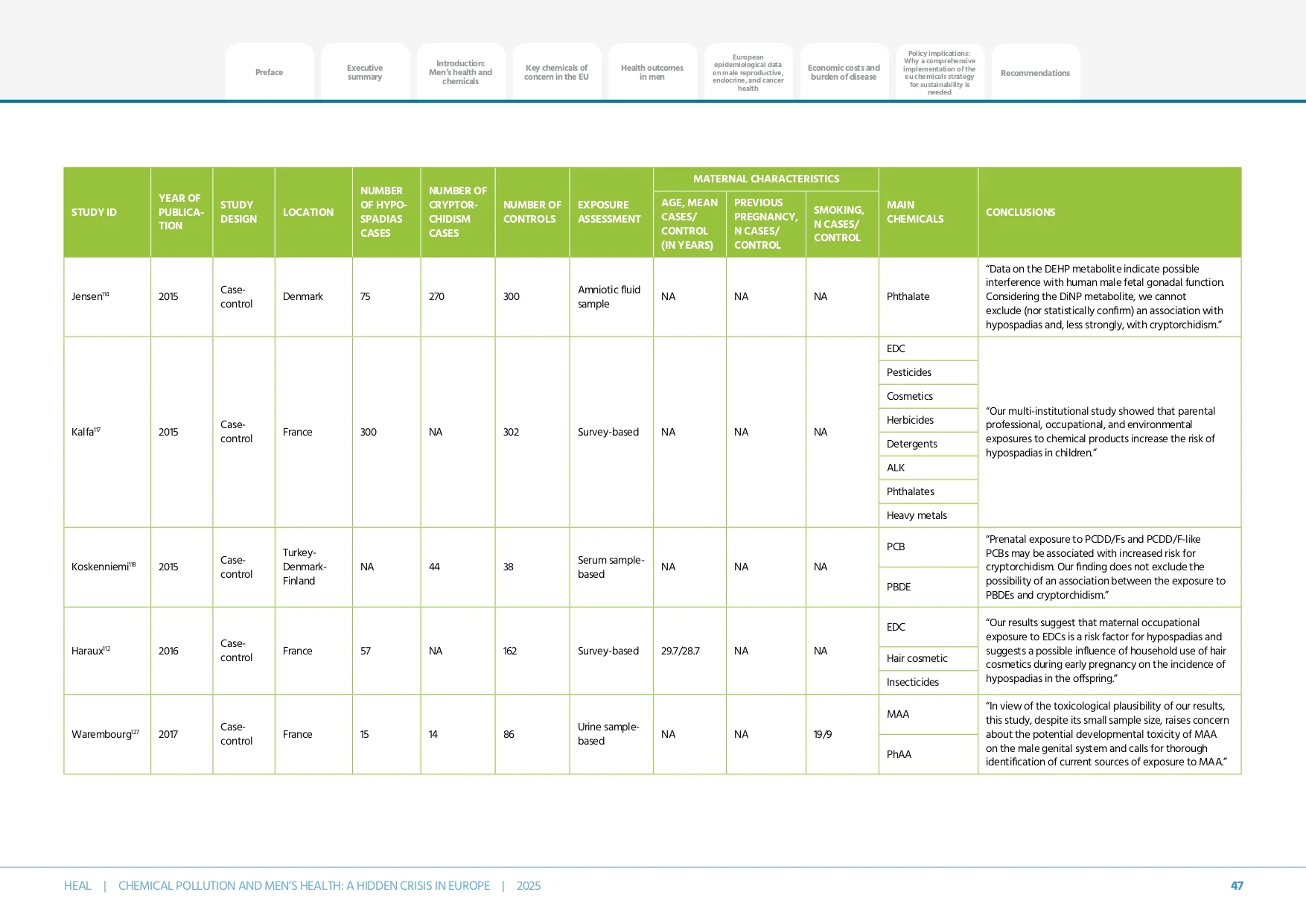
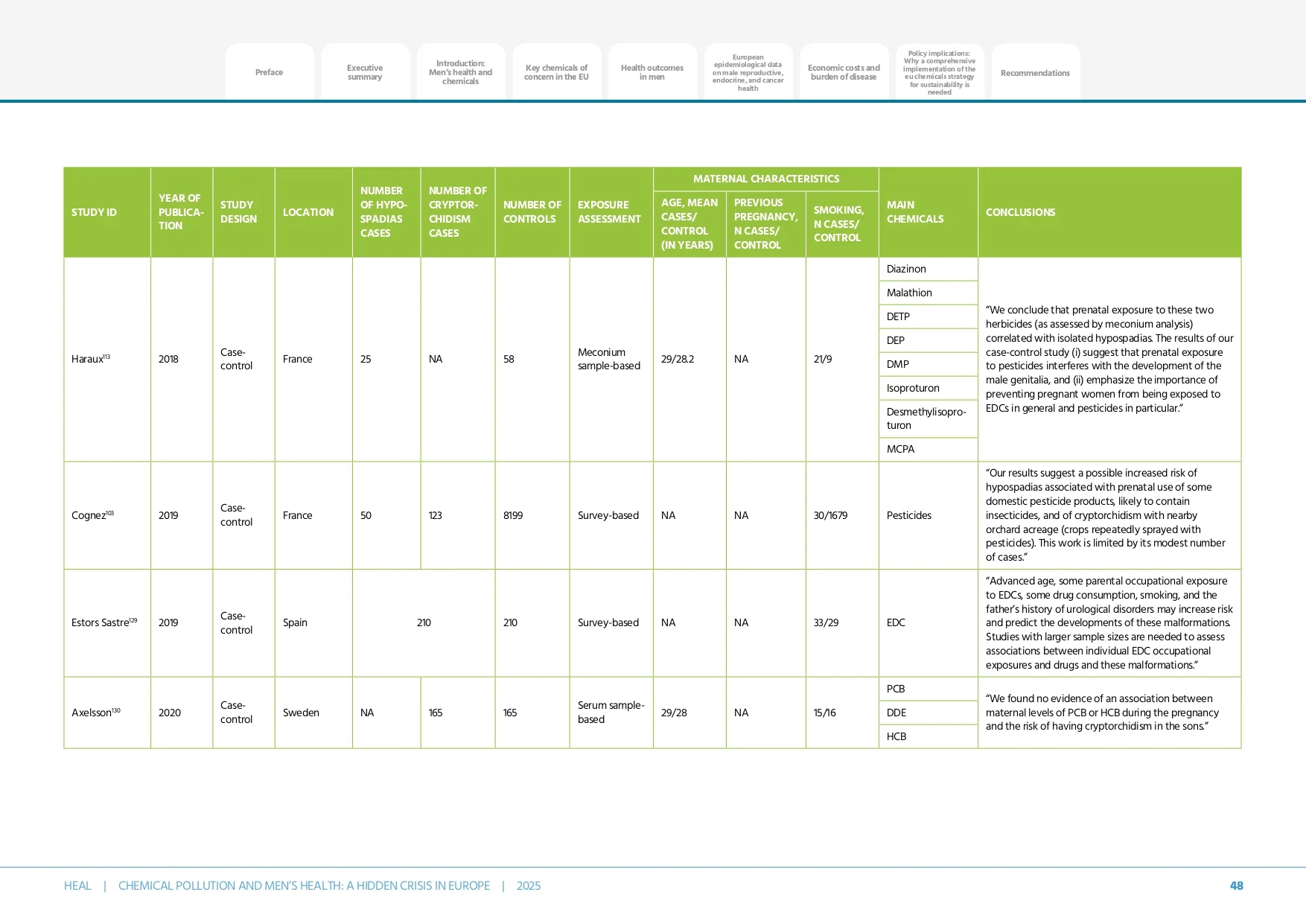
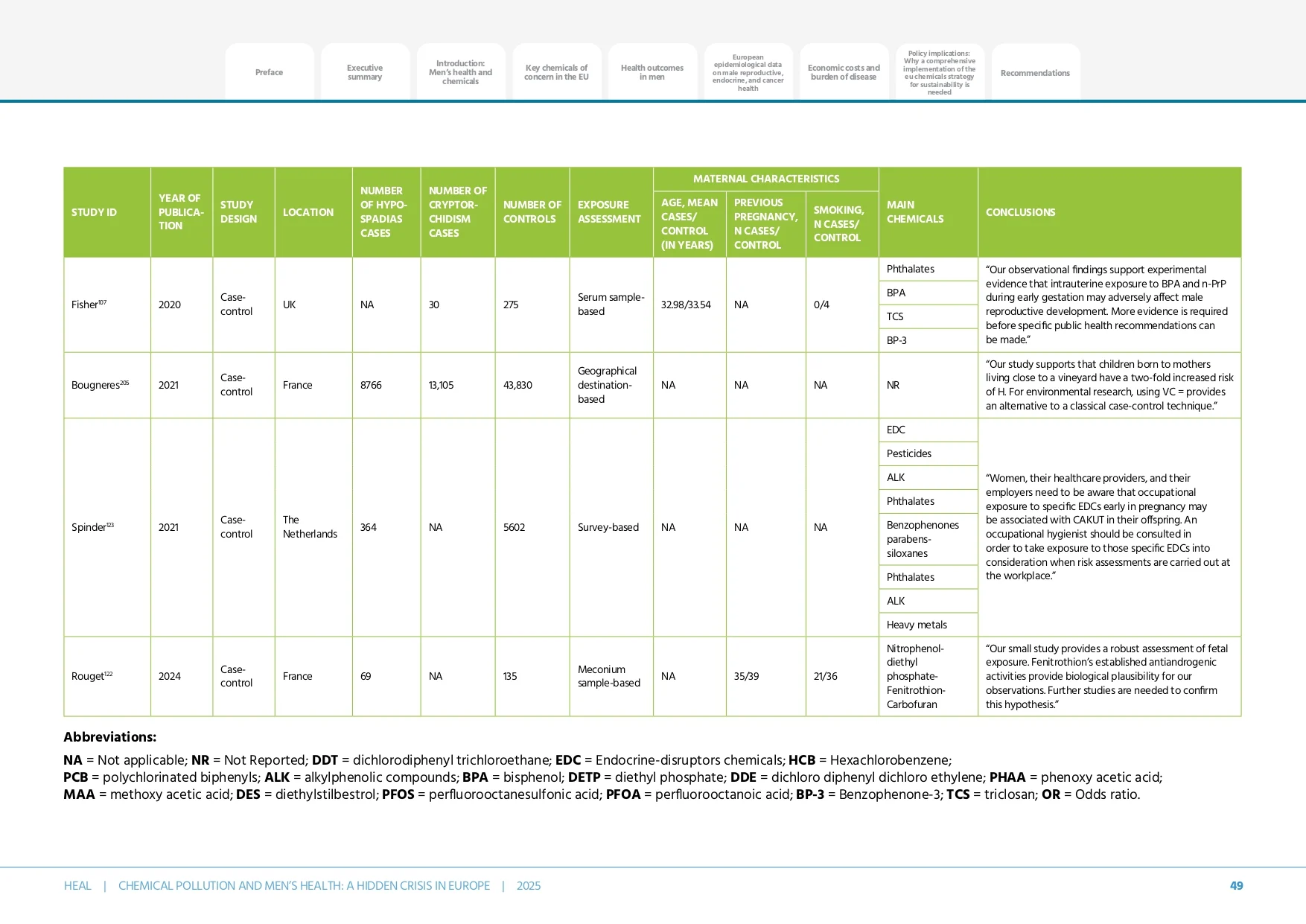
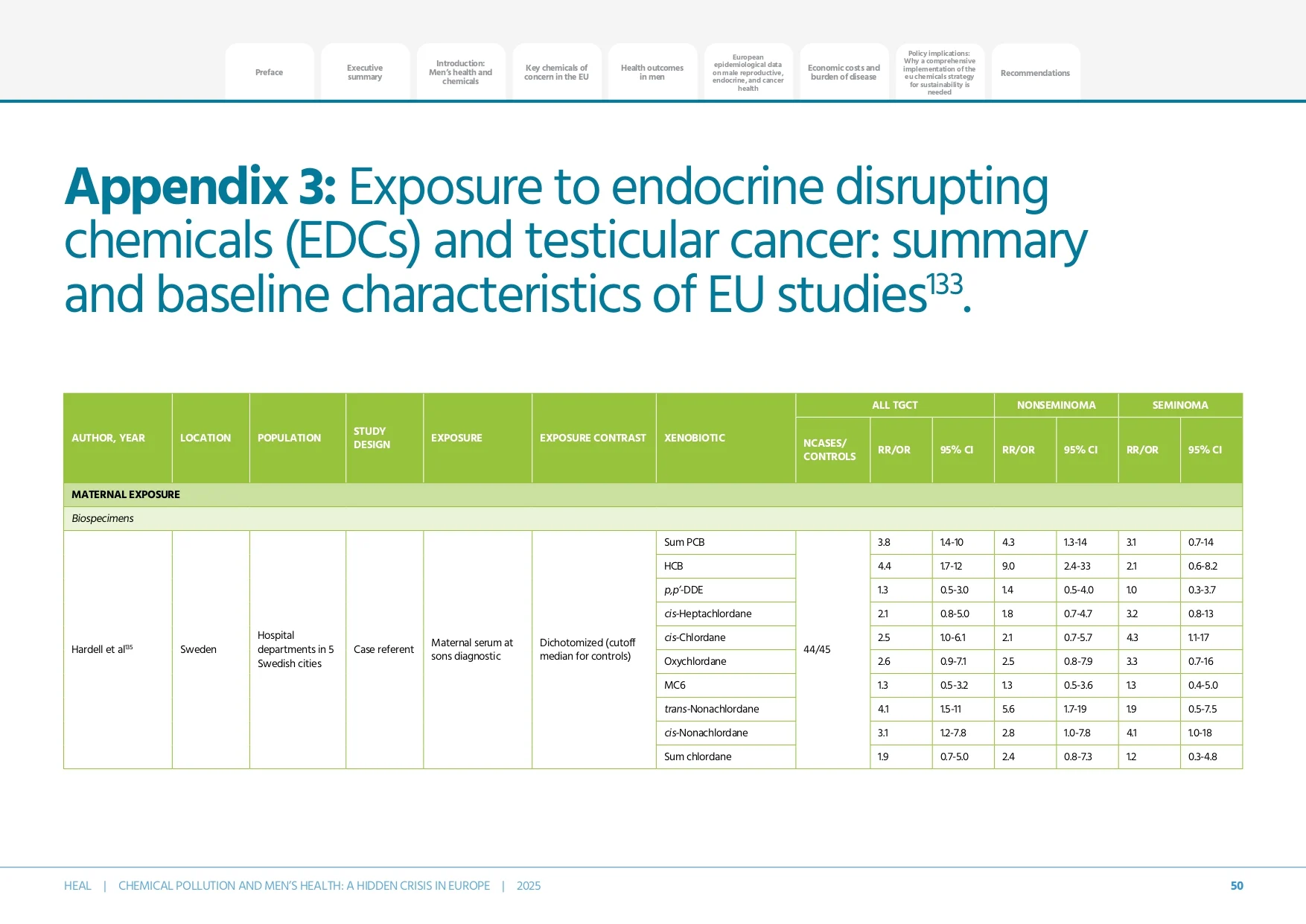
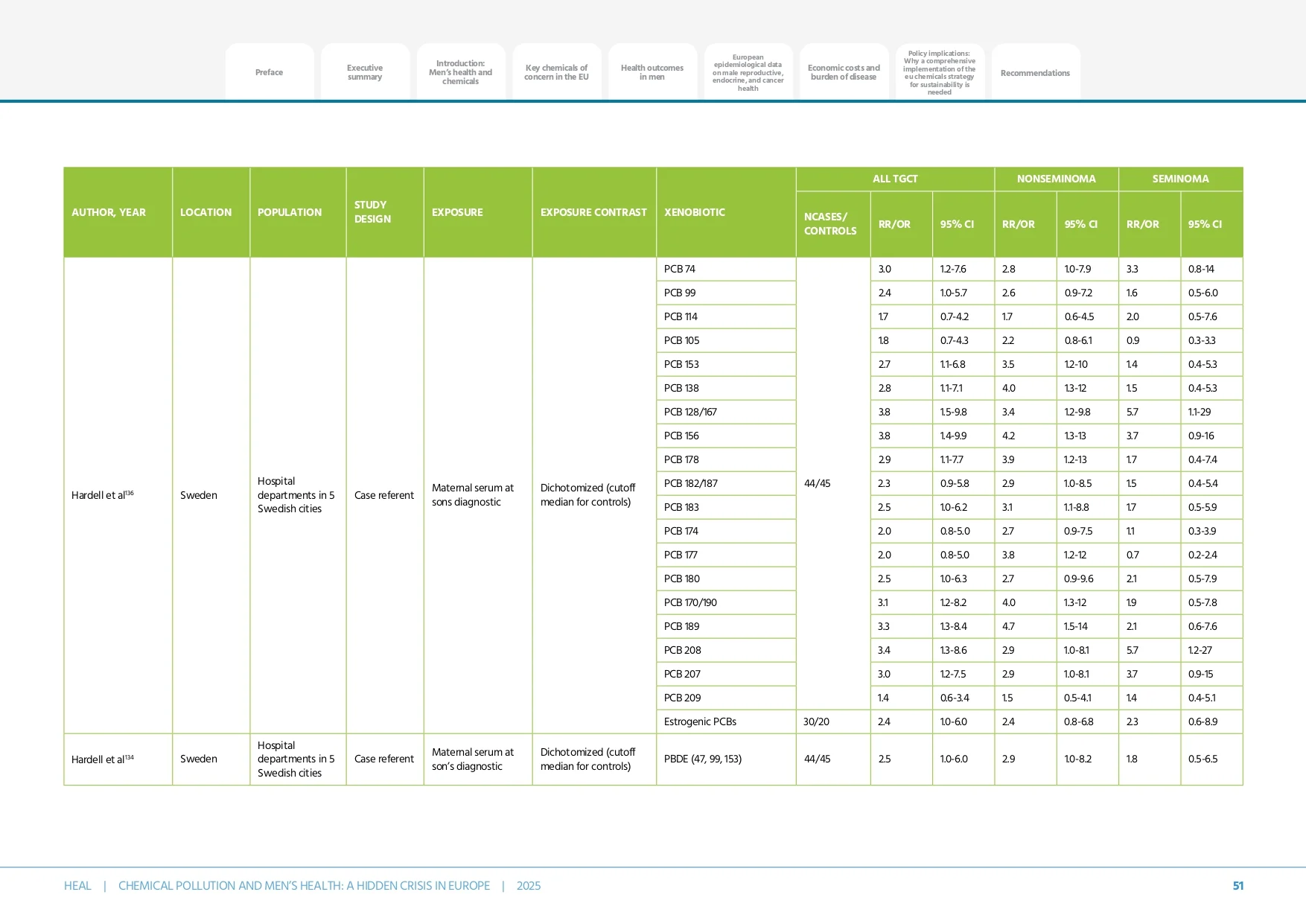
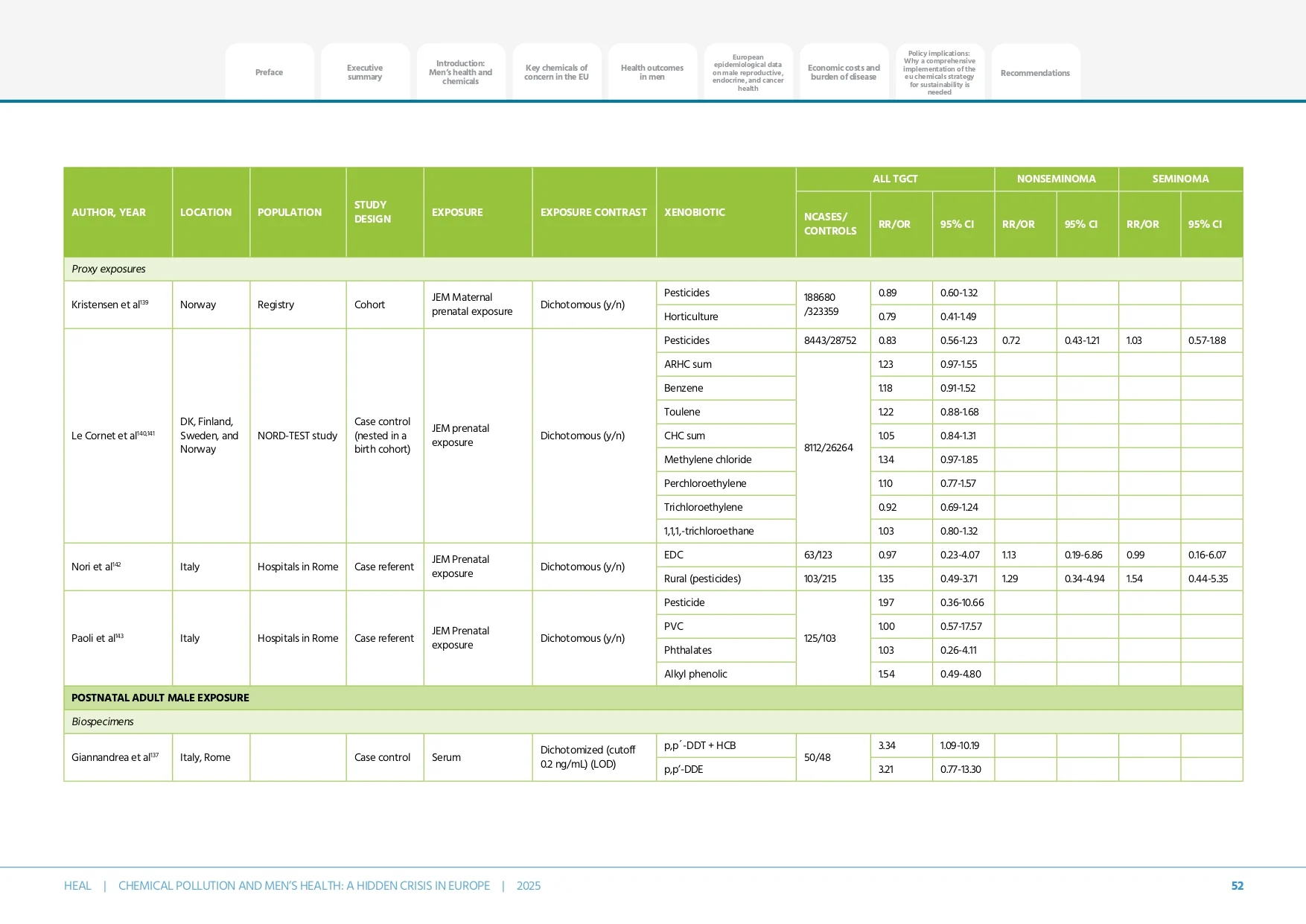
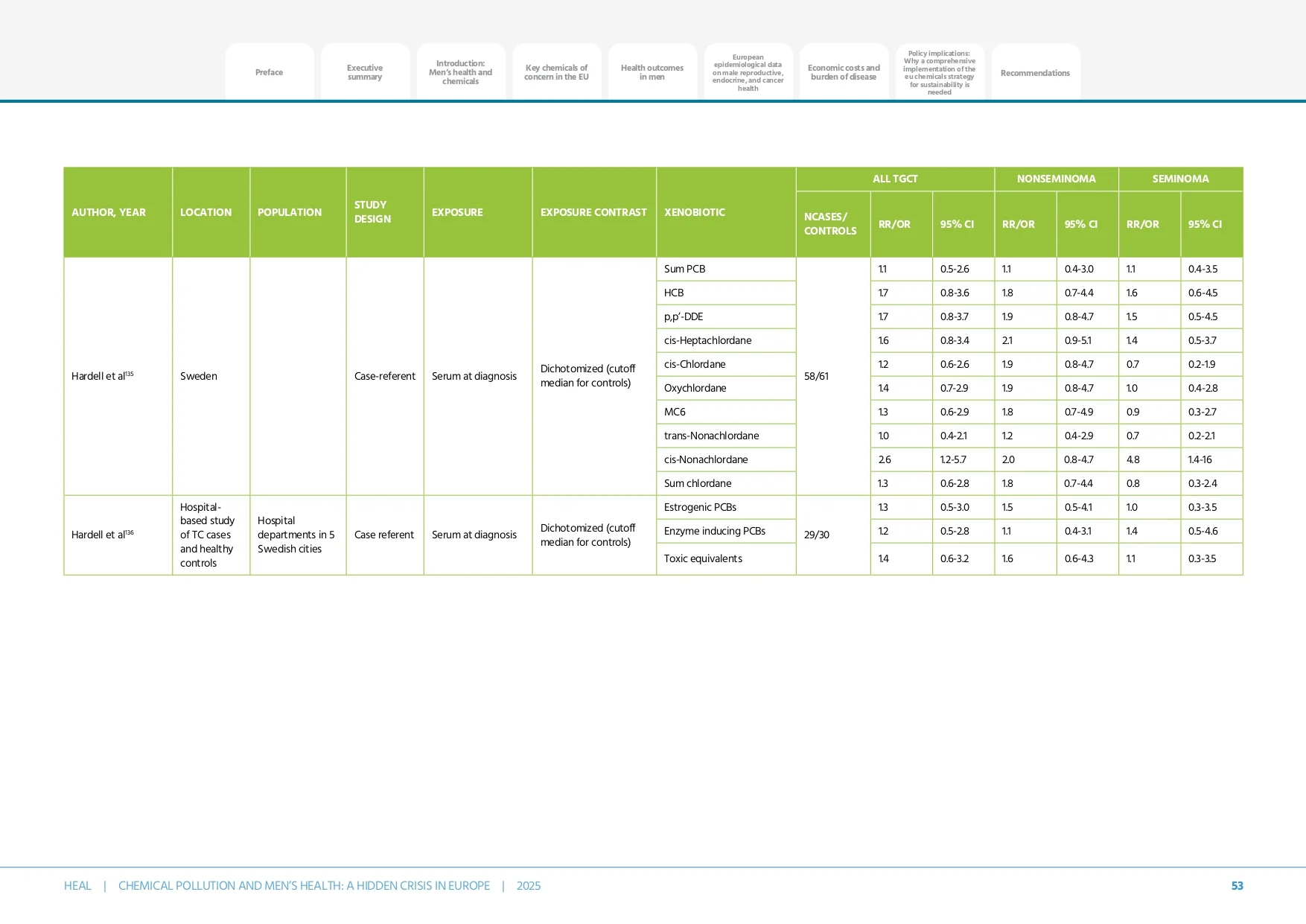
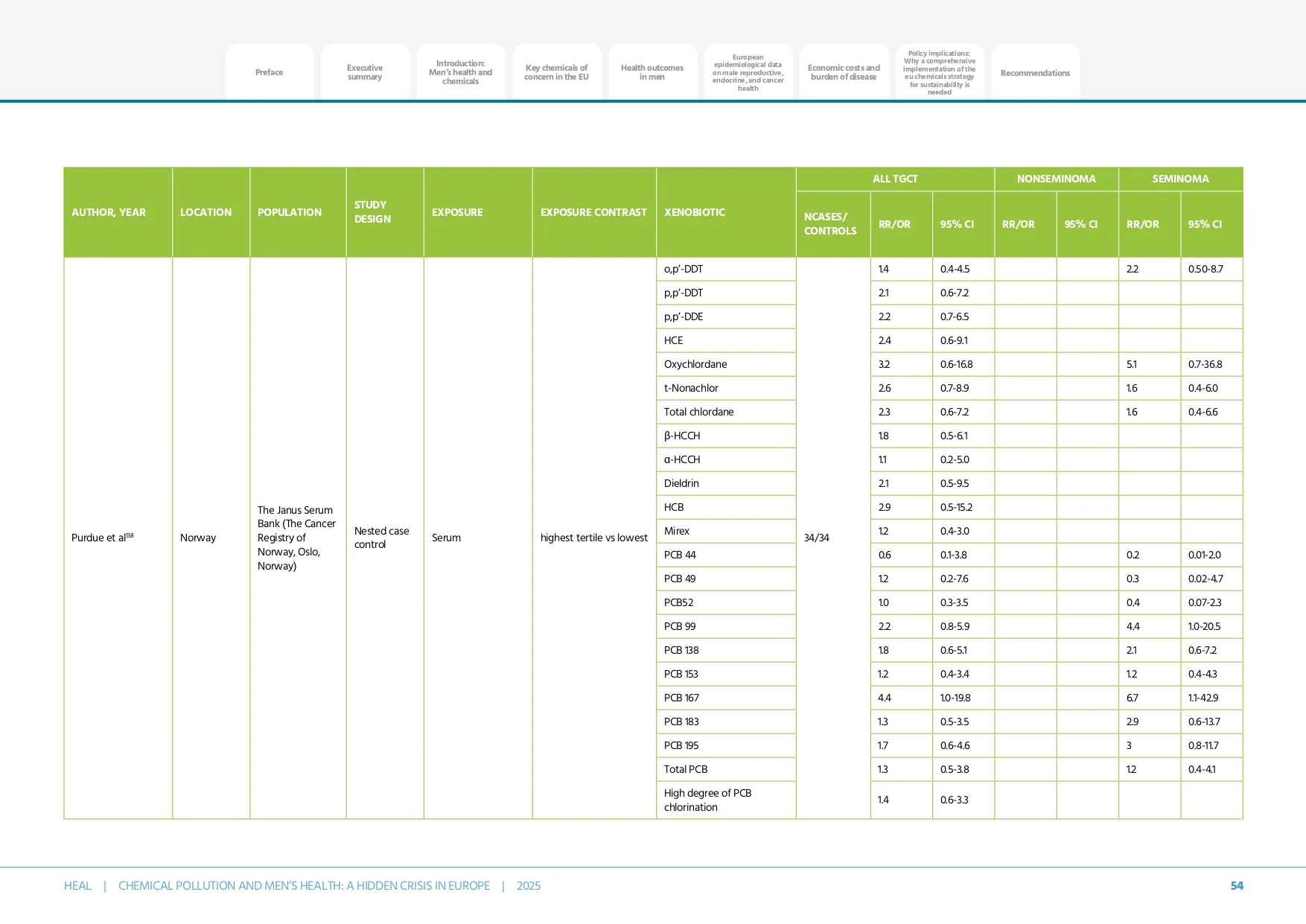
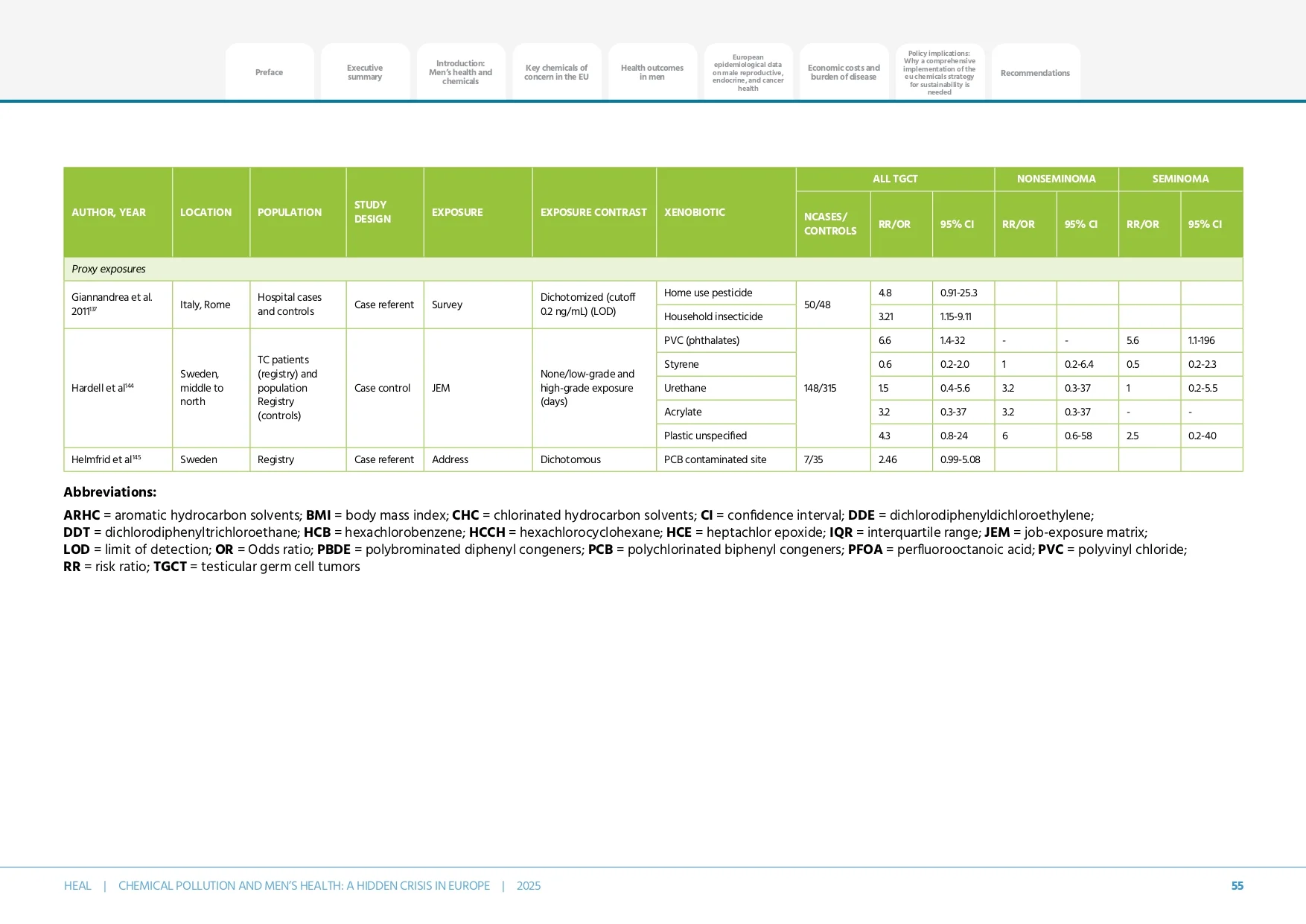
A recent report by the Health and Environment Alliance (HEAL) highlights an alarming finding: in Europe, chronic exposure to chemicals weighs heavily on male reproductive health.
Some key figures
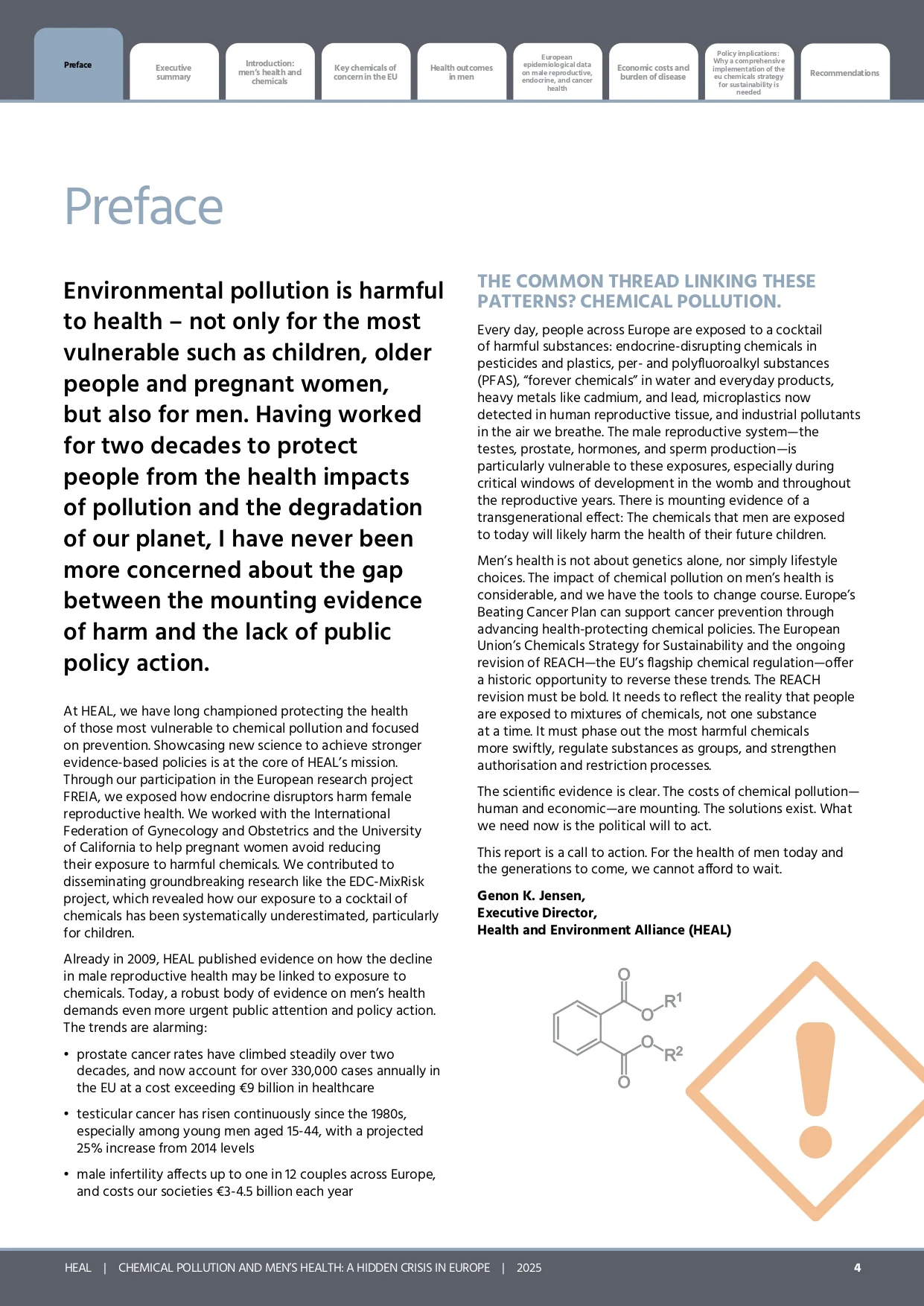
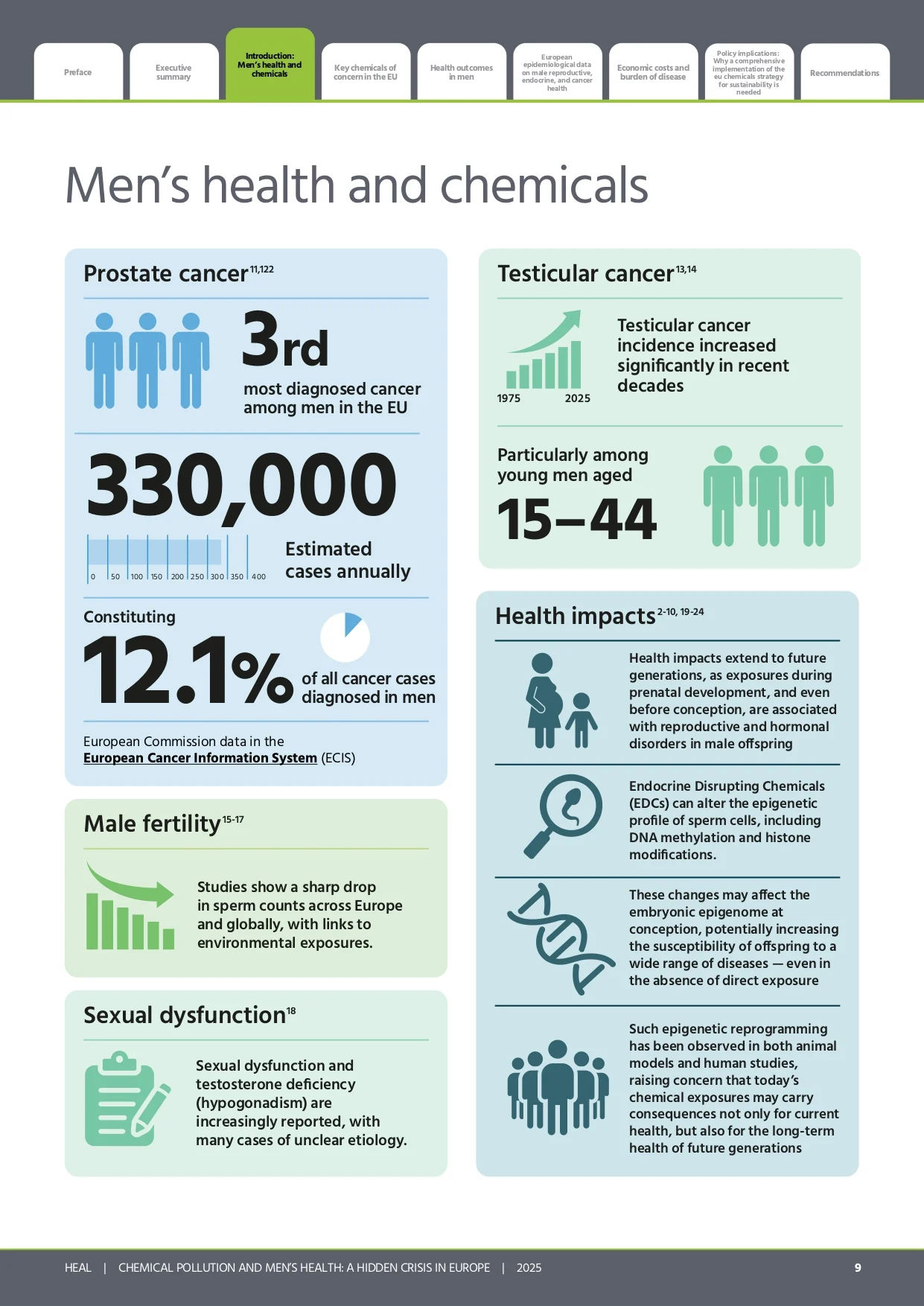
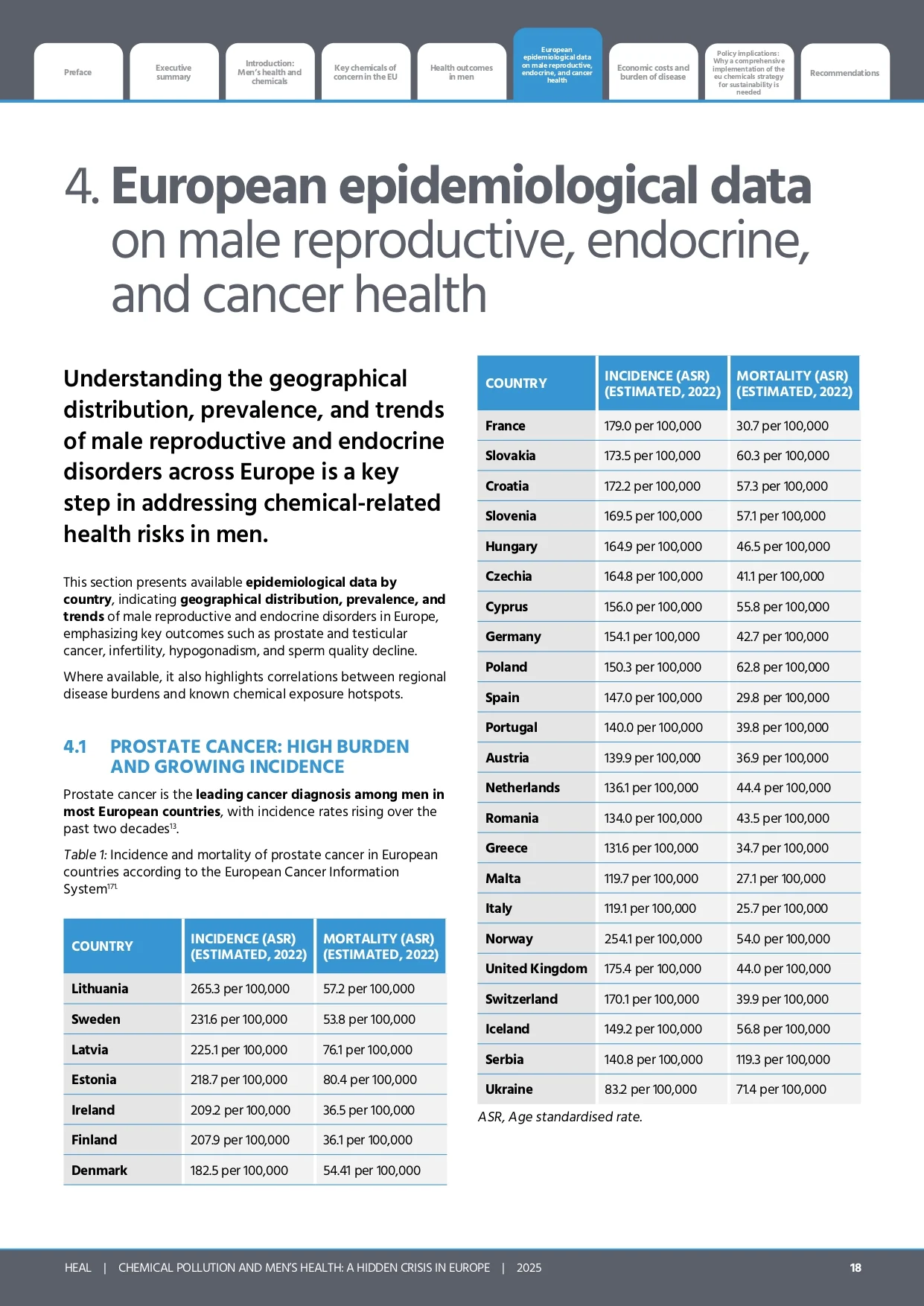
- Prostate cancer is now the 3rd most common cancer in men in Europe (~330,000 new cases/year).
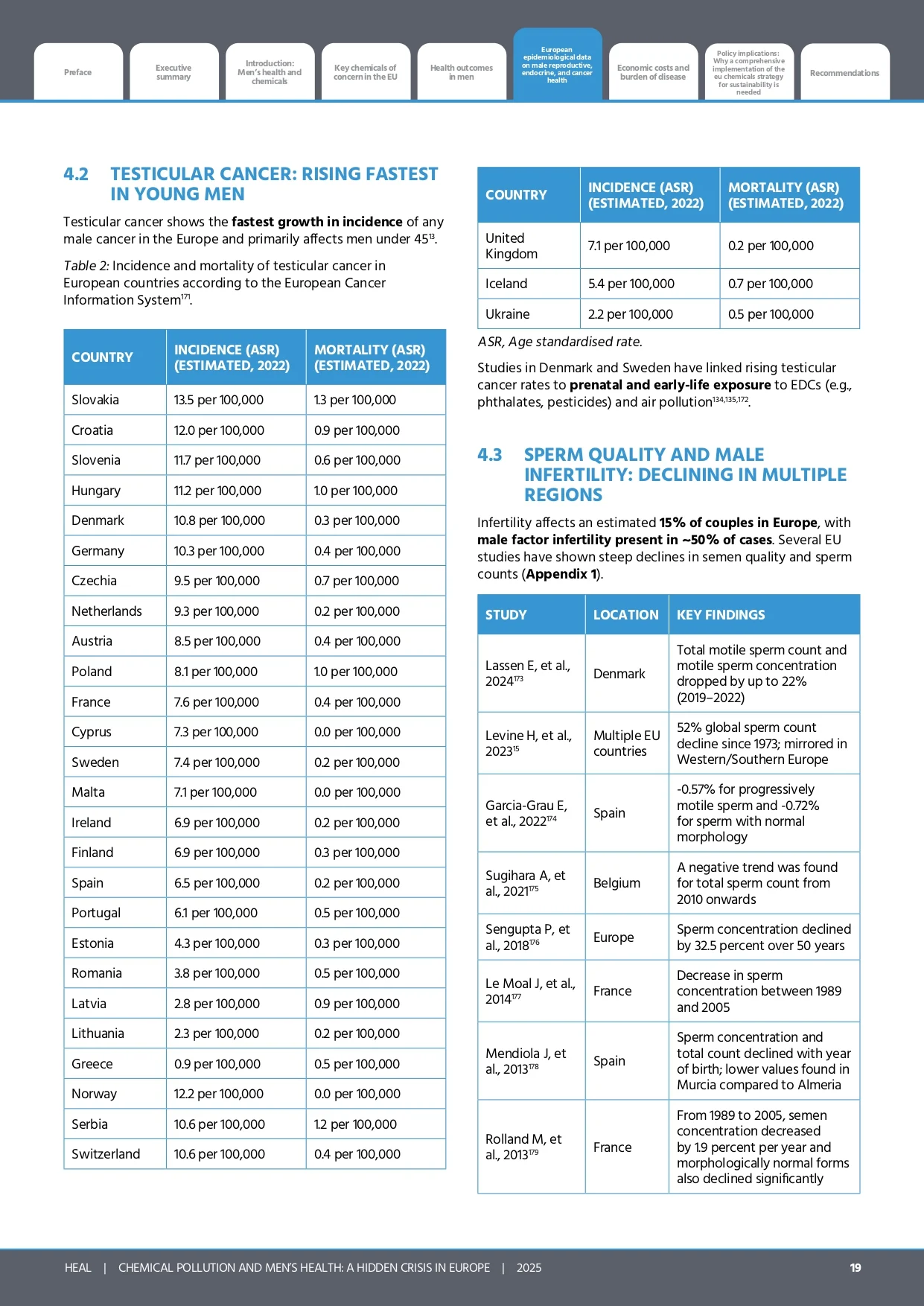
- Testicular cancer is the fastest growing cancer in young men.
- Sperm concentrations have dropped by more than 50% in a few decades.
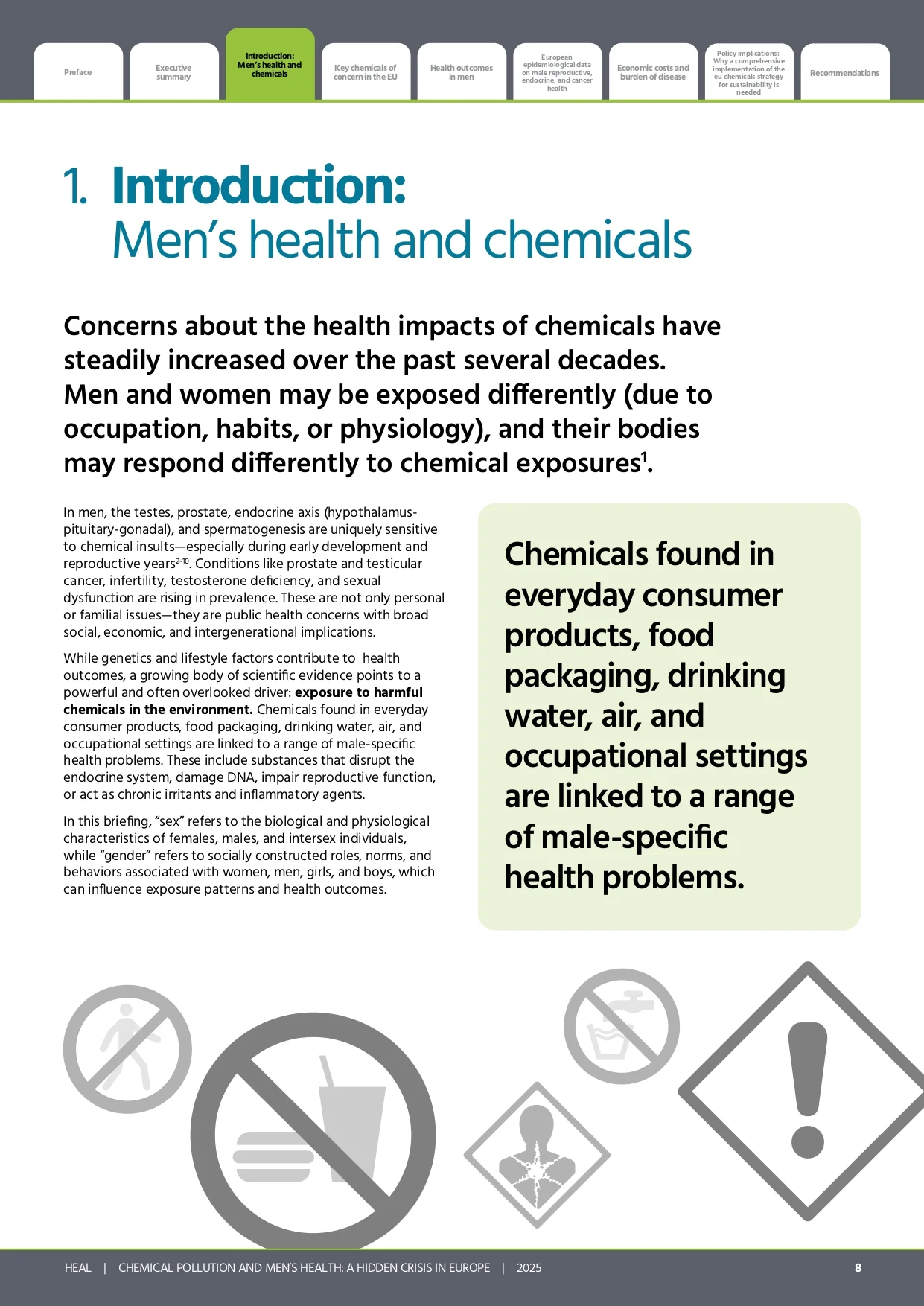
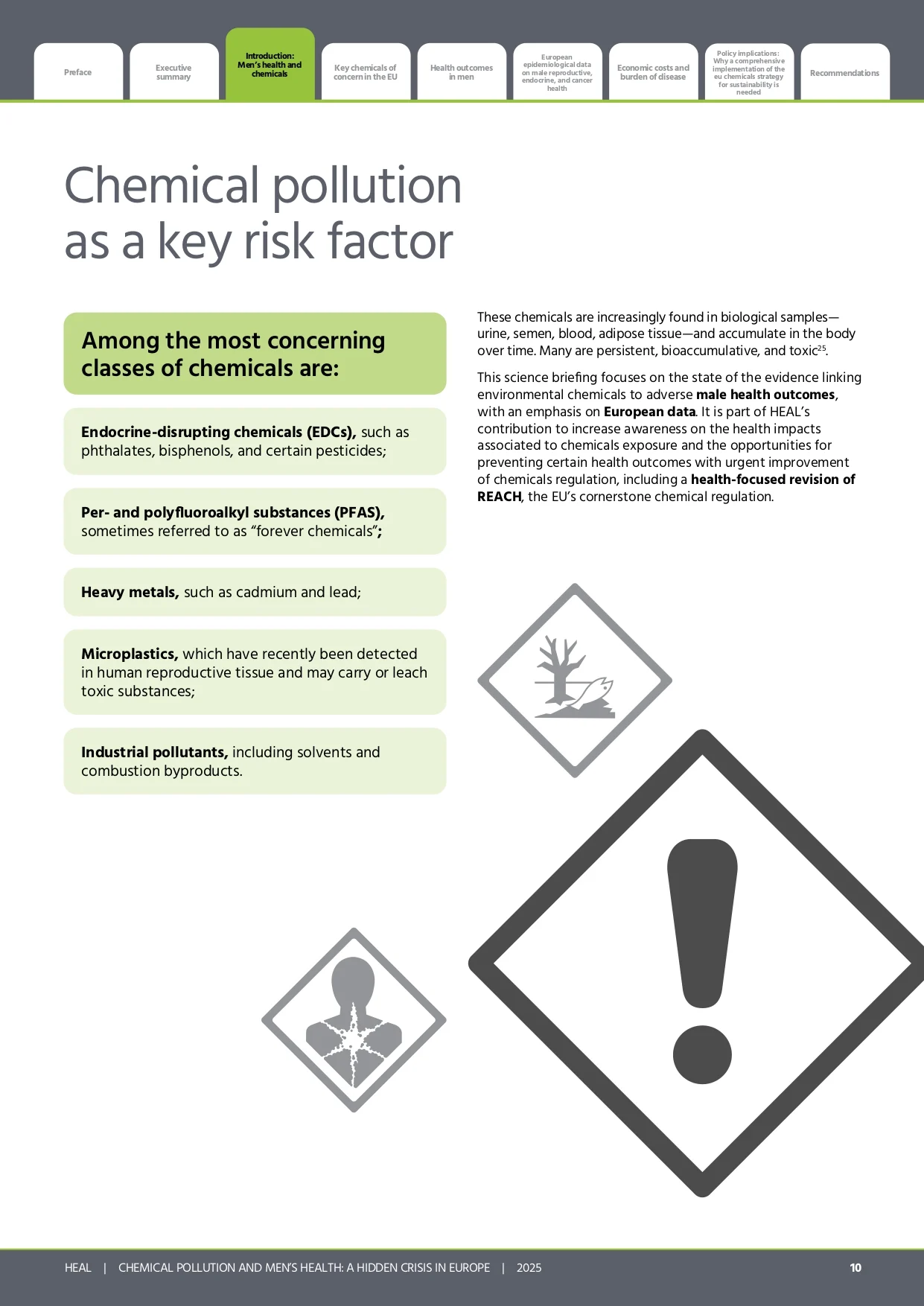
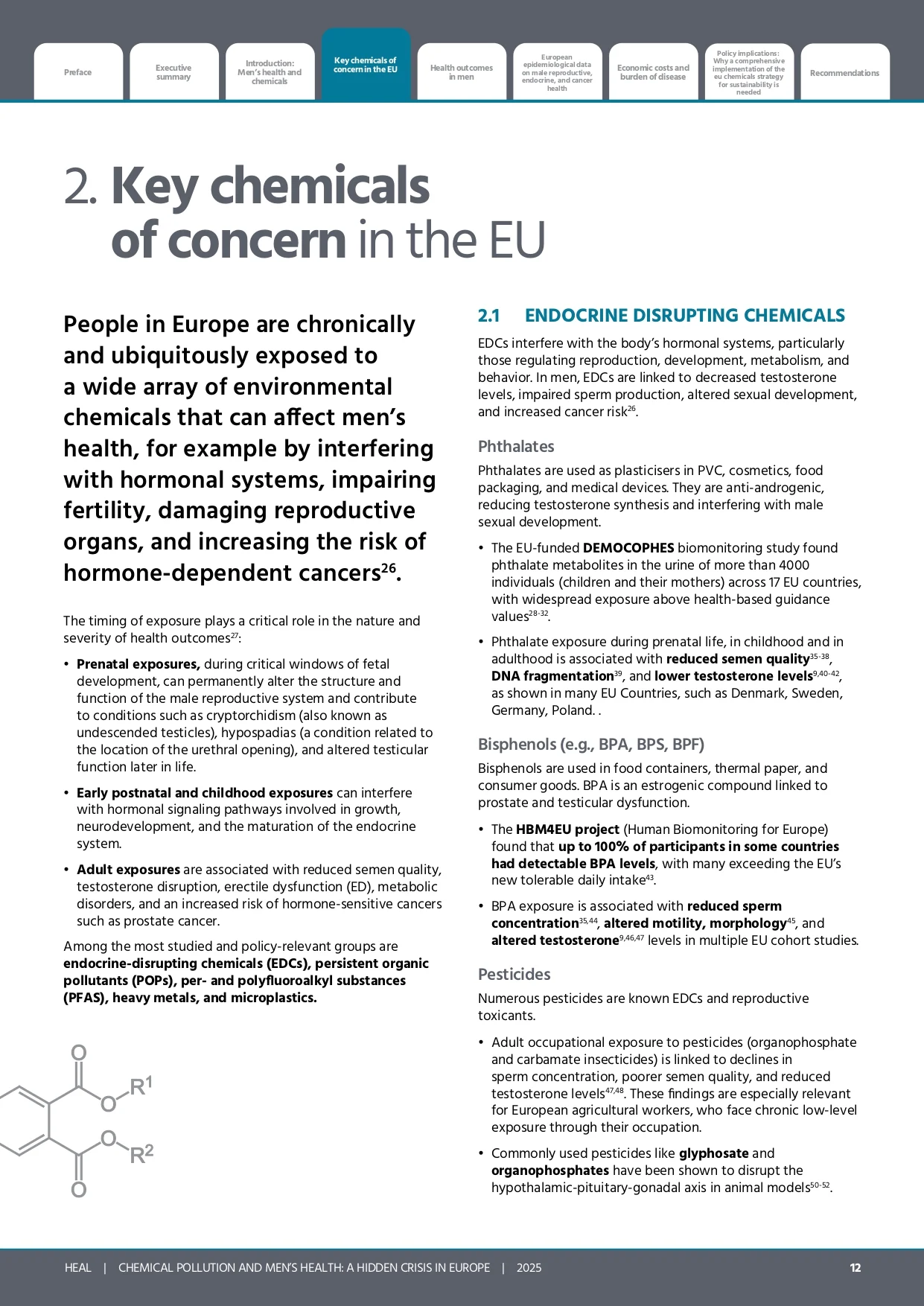
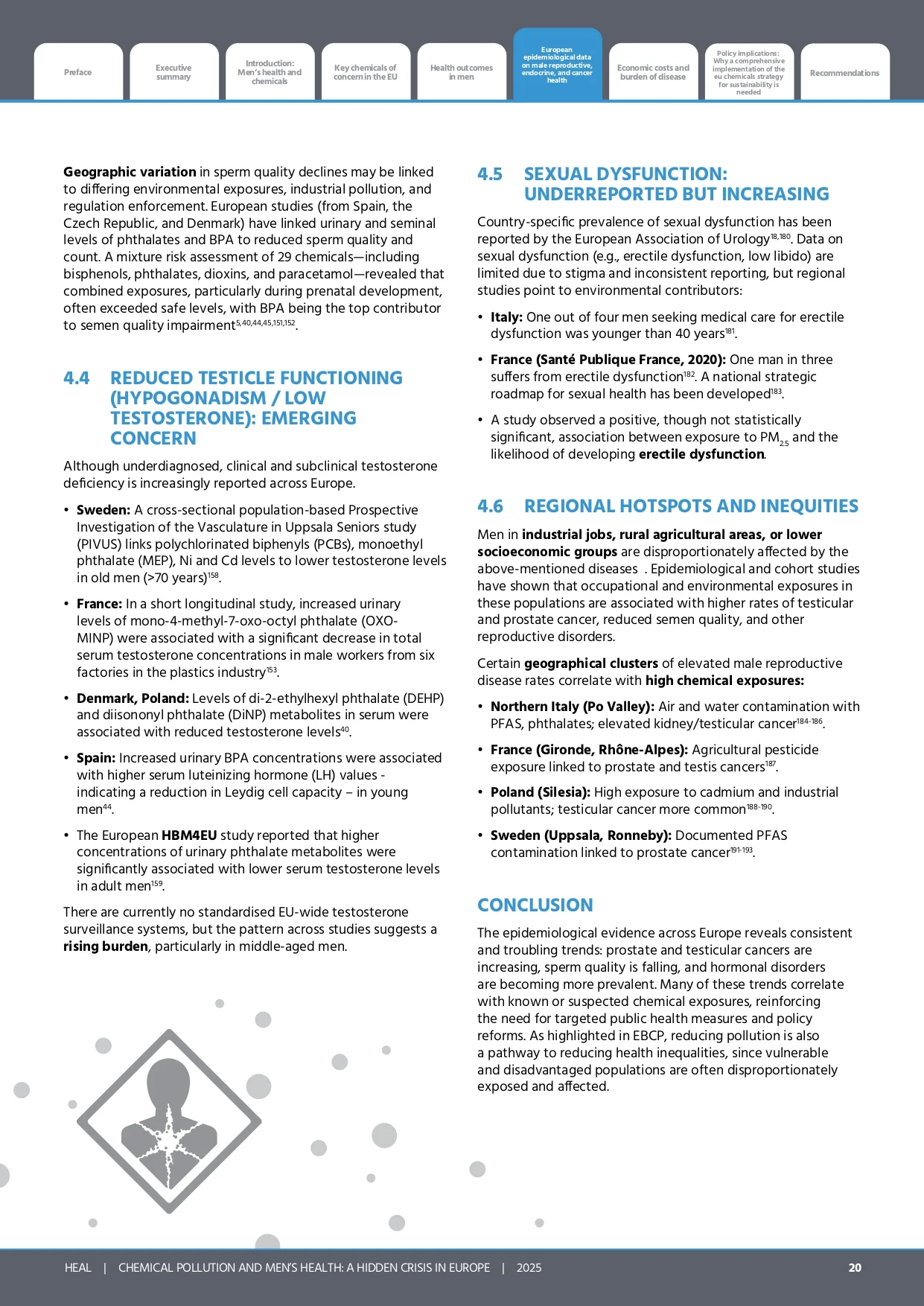
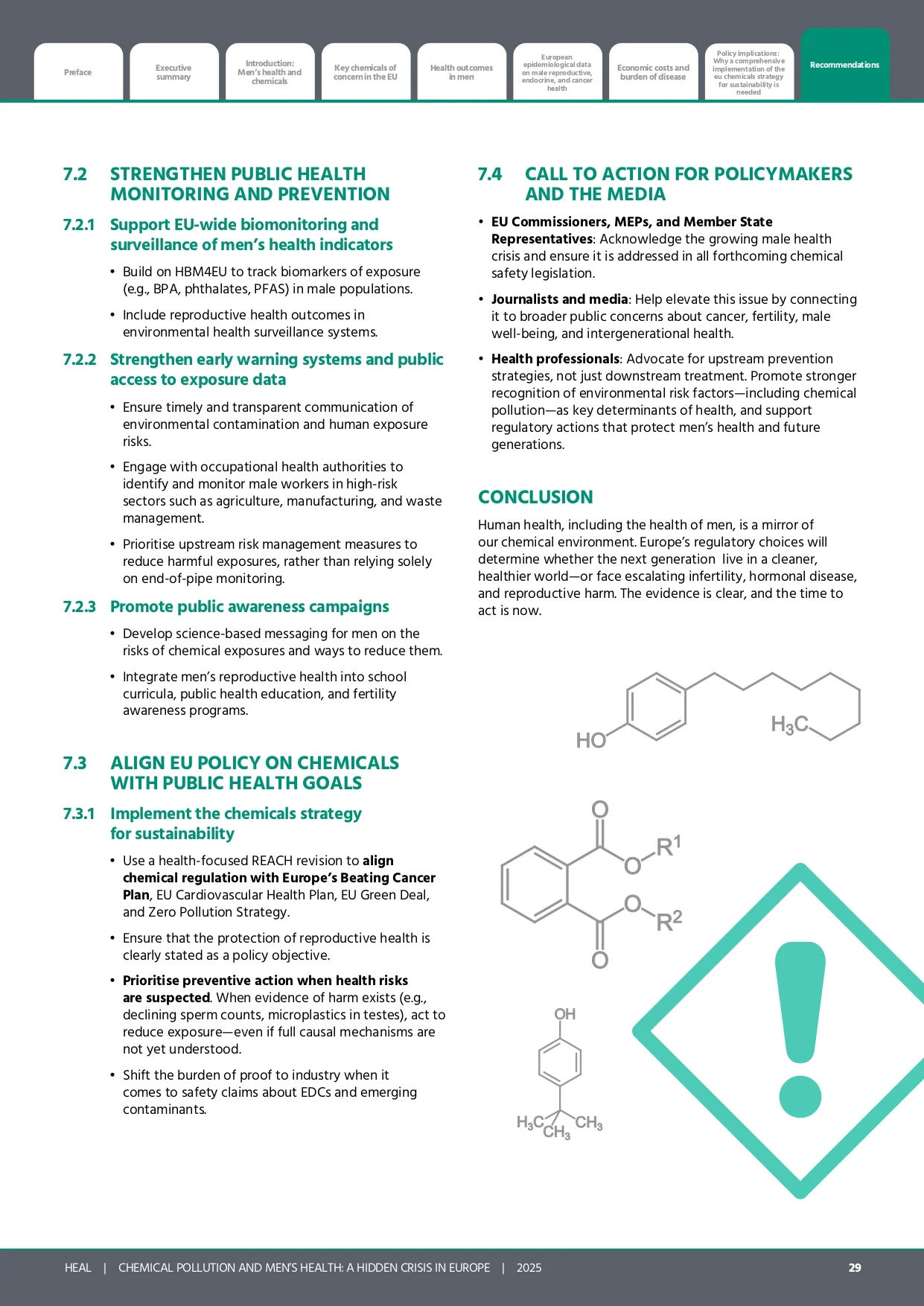
A common denominator: exposure to pollutants, endocrine disruptors (phthalates, bisphenols, pesticides), PFAS (forever chemicals), heavy metals, microplastics, etc.
These substances, present in the air, water, food and everyday objects, interfere with hormones, spermatogenesis and even the epigenetics of spermatozoa, with possible effects on future generations.
What is REACH?
REACH is the European regulation that regulates chemical substances.
Its key principle: it is the manufacturers who must prove that a substance is safe for consumers, and not the other way around.
It makes it possible to regulate, restrict or prohibit the substances of greatest concern for health and the environment.
The problem?
REACH is still insufficiently protective against low-dose effects, cocktail effects and specific issues related to male reproductive health.
The ongoing revision of REACH is a major opportunity:
Strengthening this regulatory framework means acting upstream of care, on the prevention of hormone-dependent cancers, infertility and endocrine disorders.
While waiting for more concrete on the regulatory level, the platform www.cesarfertility.com working to better support male reproductive health.
It is neither marginal nor individual.
It is a public, environmental and intergenerational health issue.”
Lucile Ferreux, Medical Director at Cesar Fertility, shared Cesar Fertility’s post, adding:
“For more transparency from industry and more independent and solid studies on the impact of environmental exposures on male fertility.”
Stay updated on all scientific advances in the field of fertility with Fertility News.


-
Sep 13, 2026, 15:11Sachintha Alwis: From Impaired Sperm Motility to Microrobotics
-
Sep 13, 2026, 15:08Laurence Orbuch: Before Endometriosis Surgery, Ask…
-
Sep 13, 2026, 15:05Ademola Ayodele: IUI, IVF or Egg Freezing – Which One Is Right for You?
-
Sep 13, 2026, 14:59Fiona Pathiraja-Møller: Tennis Players No Longer Have to Choose Between Career and Family
-
Sep 13, 2026, 14:571-Day Virtual Experience for People Impacted by PMOS – PCOS Awareness Association
-
Sep 13, 2026, 14:53Ozor Victor: Behind Every Embryo Is a Story of Science, Precision, and Hope
-
Sep 13, 2026, 14:50Diana Kayal: What They Don’t Tell You About IVF
-
Sep 13, 2026, 14:44Vikram Sinai Talaulikar: A Heartfelt Thank You to All Who Donated and Supported “Menopause and Cancer”
-
Sep 13, 2026, 14:41Nicole McPherson: Changing IVF Practices Is Hard – Integration Needs to Be Easy