

Nibhash Kumar: When Embryos Stop Growing and the Hidden Reasons Behind Early Developmental Arrest
Nibhash Kumar, Clinical and Lab Operations Junior Embryologist at Indira IVF Group, shared a post on LinkedIn:
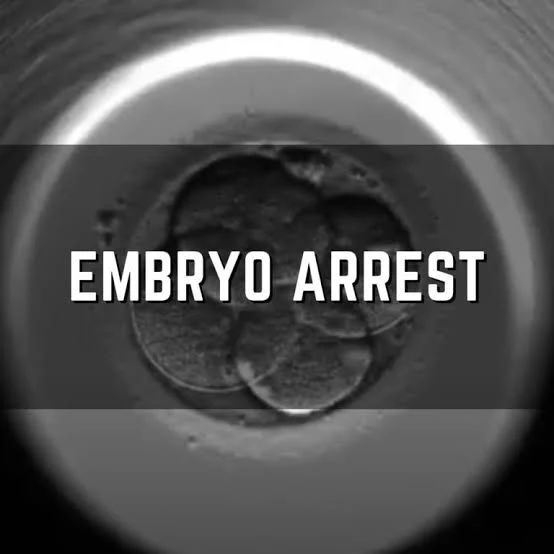
“Many times, we see embryos get arrested on Day 3 or Day 4 a stage when development should ideally progress from the cleavage stage toward the morula and blastocyst. But what really causes this early embryo arrest?
This arrest can occur due to both biological and lab-related factors that disturb the embryo’s normal development.
When Embryos grown in vitro often show altered gene expression patterns compared to those developed in vivo. This happens due to changes in transcription and mRNA stability, which affect the embryo’s ability to continue dividing and forming a blastocyst.
Sometimes, the problem begins at the stage of embryonic genome activation (EGA). When the maternal mRNA should degrade and the embryo’s own genome should take over, any delay or failure often due to poor oocyte cytoplasm or defective sperm epigenetics can cause the embryo to arrest.
Poor gamete quality also plays a big role. Low sperm motility, DNA fragmentation, or oocytes with low ATP and glutathione levels can lead to failed decondensation, abnormal spindle formation, or misaligned chromosomes eventually stopping further cleavage.
Chromosomal abnormalities, especially aneuploidy, are another major cause. These errors arise when the mitotic spindle doesn’t form properly, leading to abnormal segregation and non-viable embryos.
With increasing maternal age, oocytes often show reduced mitochondrial activity and poor mRNA reserves. This can disturb Na⁺/K⁺ ATPase function and energy balance, making it harder for the embryo to progress beyond early stages.
On the lab side, improper media composition or pH imbalance can severely affect embryonic metabolism. Media that isn’t properly equilibrated or that experiences temperature shifts alters nutrient and ion exchange, stressing the embryo.
Even small temperature fluctuations during handling or incubator door openings can disrupt spindle integrity and chromosome alignment, leading to developmental delay or arrest.
Excess oxygen levels and volatile organic compounds (VOCs) in the lab air can create oxidative stress, damaging DNA and cell membranes. Poor oil quality or contamination adds to this stress, as degraded oil releases toxic substances that harm the embryo.”
Stay updated on all scientific advances in the field of fertility with Fertility News.
-
Mar 21, 2026, 19:55Rebecca Mallick: Fertility Must Become Standard in Endometriosis Care
-
Mar 21, 2026, 19:48Kendra Batchelder: The Momentum Behind Women’s Health Innovation
-
Mar 21, 2026, 19:44COVID-19 Vaccination During Pregnancy in 2026 – Weence Health Content Services
-
Mar 21, 2026, 19:37Endometriosis and the Endocannabinoid System – ANTG
-
Mar 21, 2026, 19:35Corina Carpenter: A Guide to Clinical Trial Compensation in San Antonio
-
Mar 21, 2026, 19:31The Signals Behind PCOS – PCOS Awareness Association
-
Mar 21, 2026, 19:26Paternal Impact on Embryo Morphokinetics and ART Success – RBMO
-
Mar 21, 2026, 19:19Christopher Robinson: Maternal Fetal Pharmacokinetics of Azithromycin in Preterm Premature Rupture of Membranes
-
Mar 21, 2026, 19:13Lori Brumat: Why Women’s Health Should Matter to Everyone Right Now