
Subtle Chromosome Swaps Don’t Stand in the Way of IVF – Fertility Plus
Fertility Plus shared a post on LinkedIn:
“What if your chromosomes carried a tiny swap no one could see?
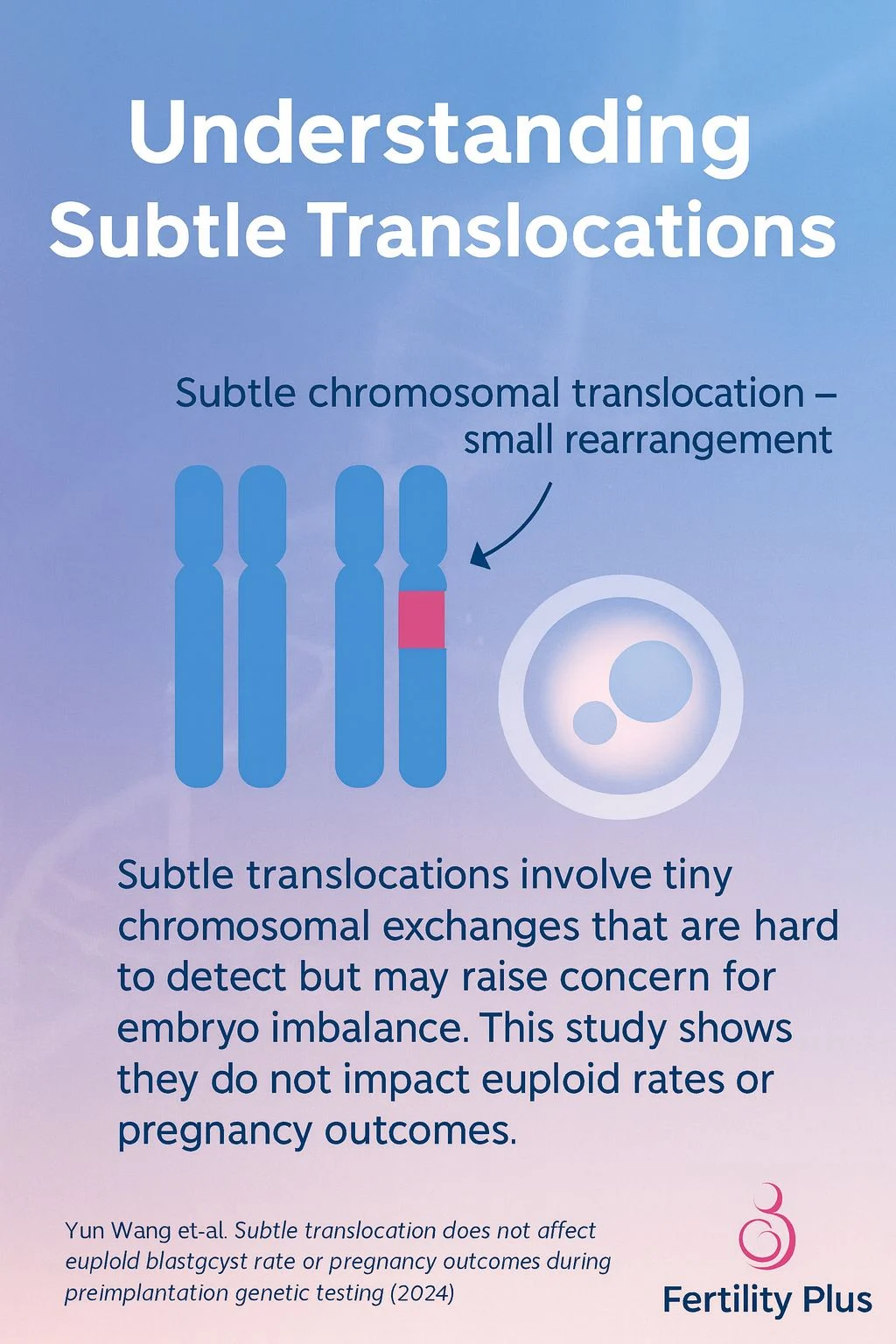
Subtle translocations – minute rearrangements of genetic material once raised real concern in IVF. Could they lower embryo quality? Reduce pregnancy chances? Cause miscarriages?
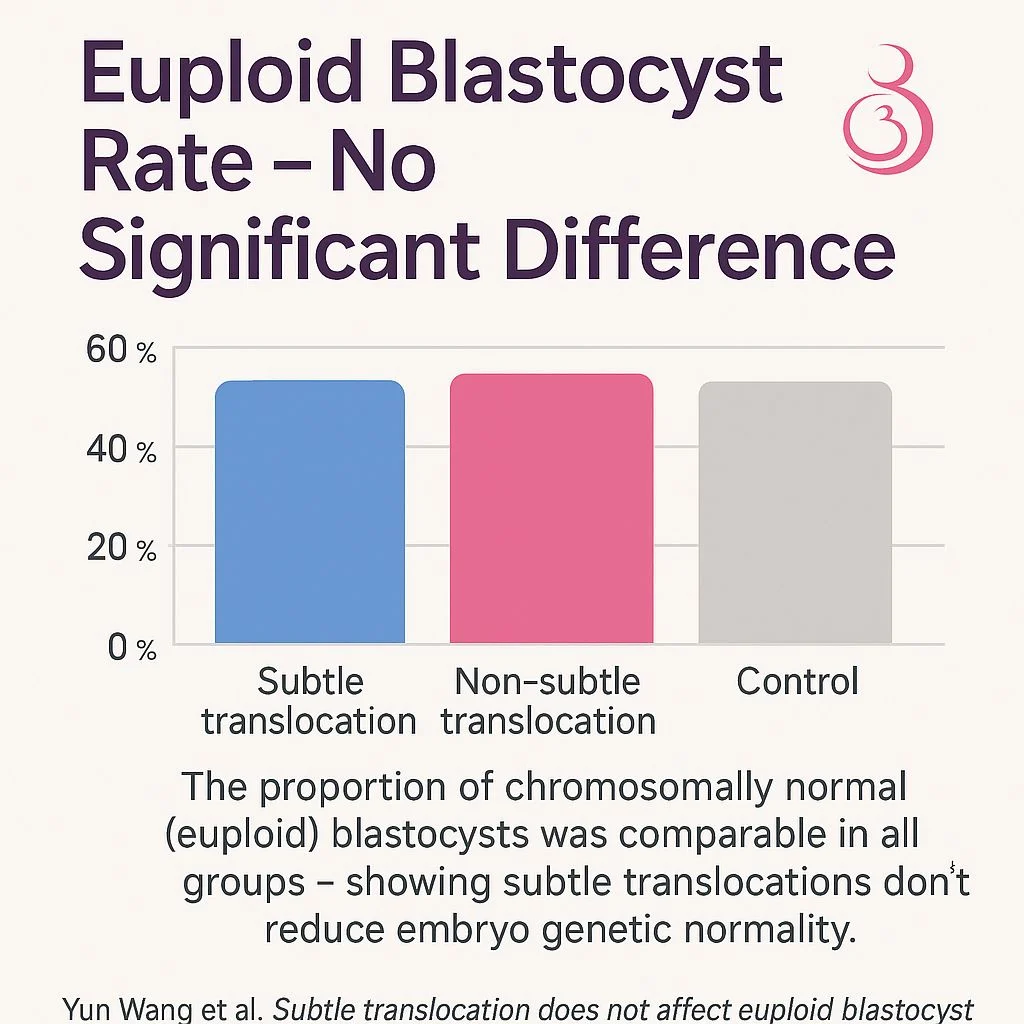
A new study by Yun Wang et al. (2024) brings clarity – and calm. Analysing embryos through PGT-SR, researchers found no difference in euploid blastocyst rates. What are the outcomes of pregnancy, miscarriage, and live births? All comparable to non-carriers.
In short: these tiny rearrangements don’t impact embryo health when modern genetic testing is used. Science once feared what precision genetics now reassures!
For patients, it’s powerful news – subtle translocations are not a barrier to success. For clinicians, it reaffirms the strength of PGT-SR as a stabilising force in reproductive genetics.”
Stay updated on all scientific advances in the field of fertility with Fertility News.
-
Sep 13, 2026, 15:11Sachintha Alwis: From Impaired Sperm Motility to Microrobotics
-
Sep 13, 2026, 15:08Laurence Orbuch: Before Endometriosis Surgery, Ask…
-
Sep 13, 2026, 15:05Ademola Ayodele: IUI, IVF or Egg Freezing – Which One Is Right for You?
-
Sep 13, 2026, 14:59Fiona Pathiraja-Møller: Tennis Players No Longer Have to Choose Between Career and Family
-
Sep 13, 2026, 14:571-Day Virtual Experience for People Impacted by PMOS – PCOS Awareness Association
-
Sep 13, 2026, 14:53Ozor Victor: Behind Every Embryo Is a Story of Science, Precision, and Hope
-
Sep 13, 2026, 14:50Diana Kayal: What They Don’t Tell You About IVF
-
Sep 13, 2026, 14:44Vikram Sinai Talaulikar: A Heartfelt Thank You to All Who Donated and Supported “Menopause and Cancer”
-
Sep 13, 2026, 14:41Nicole McPherson: Changing IVF Practices Is Hard – Integration Needs to Be Easy