
Why Are Pregnancies Declining? – Fertility Plus
Fertility Plus shared a post on LinkedIn:
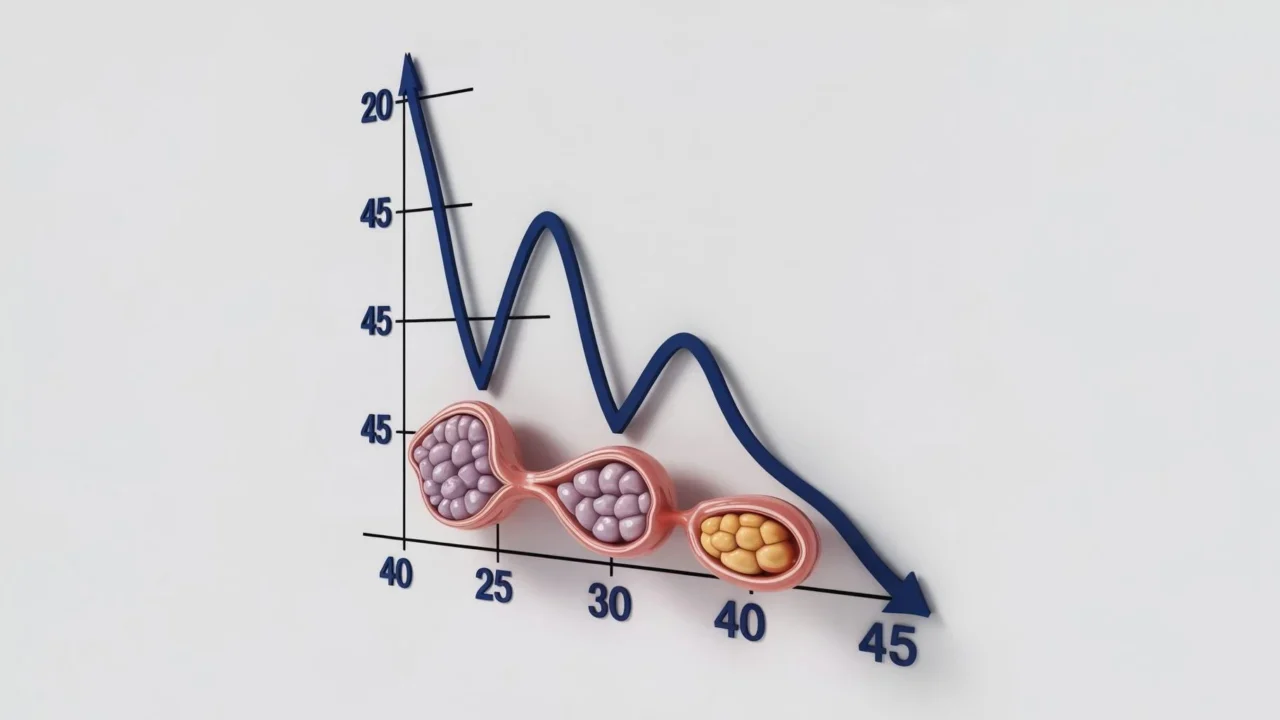
“Why are pregnancies declining? The age-related fertility drop is a significant issue worldwide. Fertility begins to decline in women as early as their 30s, with a sharper decrease after 35. By age 40, the chances of conceiving naturally can be less than half of what they were in the late 20s, alongside increased risks for miscarriage and pregnancy complications.
Since 1950, global fertility rates have halved, falling below replacement levels in many countries. This trend reflects not just biological changes but also social factors like delayed childbearing, lifestyle choices, and access to reproductive healthcare.
Let’s raise awareness about the biological clock and the importance of supporting family planning and reproductive health around the globe!
ACOG: Female Age-Related Fertility Decline
Lancet: Dramatic declines in global fertility rates
OECD: Declining fertility rates put prosperity of future generations at risk
Human Reproduction Update: Declining global fertility rates.”
-
Mar 21, 2026, 15:00Samantha Butts Shares Personal and Professional Insights in ASRM Close Up
-
Mar 21, 2026, 14:47Scammers Are Targeting ESHRE2026 Attendees – ESHRE
-
Mar 21, 2026, 14:26No Obvious Harm From Prolonged Oocyte Cryostorage – RBMO
-
Mar 21, 2026, 14:13Empowering Change: Health Systems at the Forefront of Ending FGM/C! – FIGO
-
Mar 21, 2026, 09:56Expanded Carrier Screening: Clinical, Ethical, and Psychosocial Perspectives from Ghent – ESHRE
-
Mar 21, 2026, 09:53Impact of Male Obesity on Embryo Development and Miscarriage Risk – Fertility and Sterility
-
Mar 20, 2026, 17:06Christopher Robinson: AJOG Expert Review on Placenta Accreta After Cesarean
-
Mar 20, 2026, 16:53HCG Failure and Trigger Strategies in IVF – Fertility Plus
-
Mar 20, 2026, 16:38Secure Your Early Bird Ticket for RCOG Annual Professional Development Conference – RCOG