
Marco Zaccaria: MRKHS Syndrome and Endometriosis Through Meyer’s Theory
Marco Zaccaria, Global Product Manager at ESGE European Society Gynecology Endoscopy, shared a post on LinkedIn:
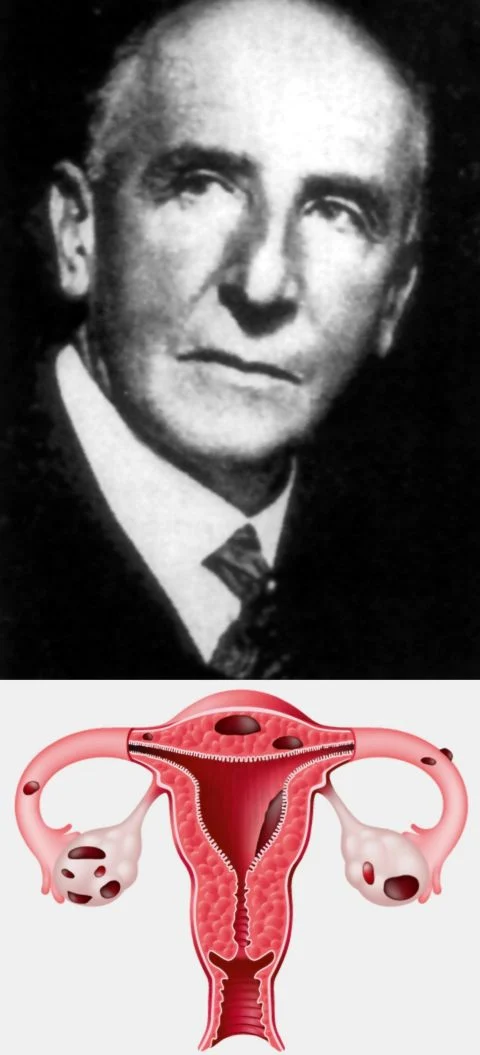
“Meyer’s theory of endometriosis, formulated by the German pathologist Robert Meyer around 1919, is historically known as the theory of celomitic metaplasia
This hypothesis suggests that the endometrium-like tissue found outside the uterus does not originate from a detachment of the endometrium itself (as in the retrograde menstruation theory), but rather results from the transformation of cells in the pelvic peritoneum
There are three cornerstones of Meyer’s theory:
- Common embryonic origin: the epithelium lining the embryonic coelomic cavity gives rise to both the peritoneal mesothelium and the Müllerian ducts (from which the uterus and fallopian tubes develop)
- Differentiation potential: peritoneal cells retain a “totipotent” capacity. Under certain stimuli, they can transform and differentiate into endometrial-type cells
- Triggering factors: metaplastic transformation is triggered by intense local inflammatory processes, hormonal stimuli (such as estrogen levels), or environmental factors
Meyer’s theory is still cited today to explain certain specific clinical cases that the classic theory of retrograde menstruation cannot account for, including endometriosis in women who do not menstruate and cases of endometriosis in Mayer-Rokitansky-Küster-Hauser (MRKHS) syndrome, a congenital condition characterized by the absence of the uterus.”
Giuseppe Giudice, Operations Manager at Giudice Gynecology Practice, shared Marco Zaccaria’s post, adding:
“Meyer had understood, in an era far from current knowledge, that the cell that transforms into the endometrium has a different potential than the epithelial cells of the cervical canal and the tubal canals. It maintains migratory capacities and an immunocompetence that manages the environment where it develops, just as it does when it becomes deciduous in pregnancy. In reality, this is precisely its ‘metaplasia’ ”
Stay updated on all scientific advances in the field of fertility with Fertility News.
-
Oct 22, 2026, 17:36Filipa Rafael: A Woman Should Not Have to Be Trying for a Baby for Her Ovarian Insufficiency to Matter
-
Oct 22, 2026, 17:30Michele Boiani: New Insight on Zona Pellucida Proteins
-
Oct 22, 2026, 17:01Sean Lauber: New Review Assesses PGT-A Effectiveness and Safety
-
Oct 22, 2026, 16:56Eric Lameignere: Optimizing Sperm Handling Conditions in the IVF Laboratory
-
Oct 22, 2026, 16:49Rajeev Agarwal: Most Failed IVF Transfers Are About the Embryo, Not the Uterus
-
Oct 22, 2026, 16:44Devyanshi Dixit: Calling for Delegates for GFWH 2026
-
Oct 22, 2026, 16:35Kate Ryder: Headed to ASRM 2026 and Looking Forward to Spending Time with Clinic Partners
-
Oct 22, 2026, 16:27Can PCOS/PMOS Increase the Risk of Premature Death? – PCOS Millennials
-
Oct 22, 2026, 16:18Margaret Cali: Before IVF Begins, a Lot of Preparation Happens…