
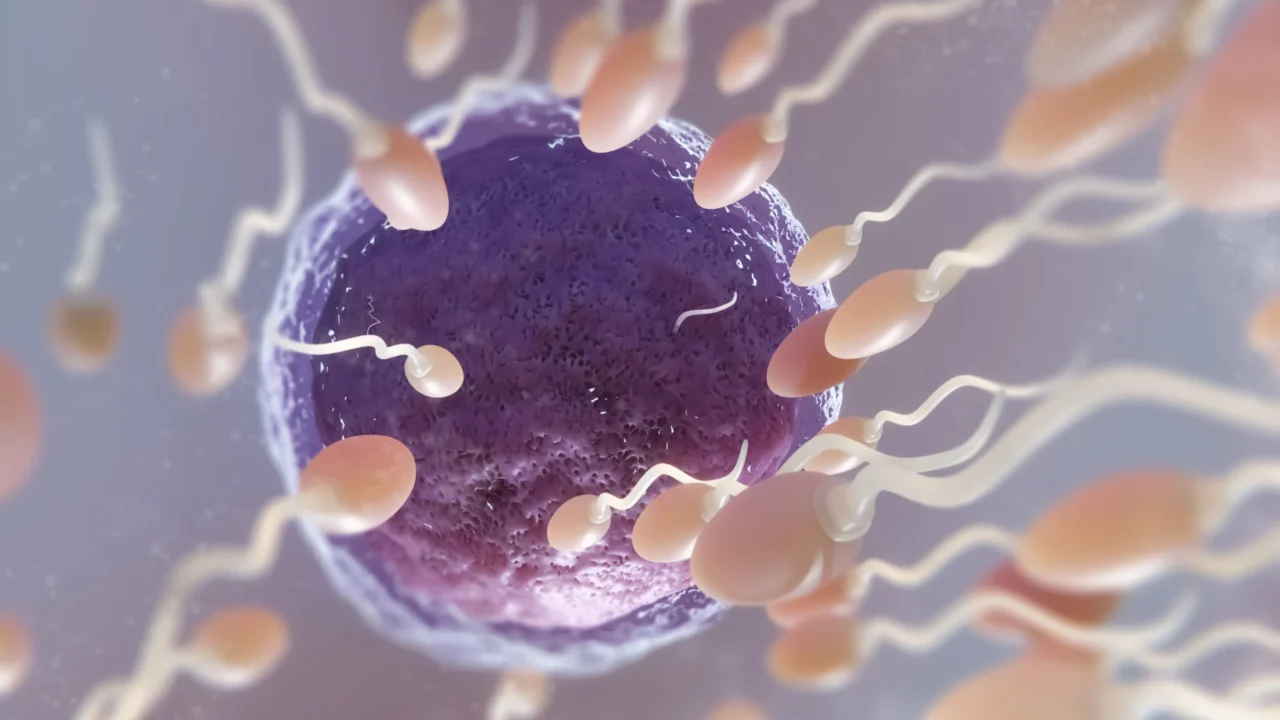
Rethinking the Biological Clock – How Age Impacts Eggs and Sperm
Ashok Yadav, Biology faculty at Apex Academy, shared a post on LinkedIn:
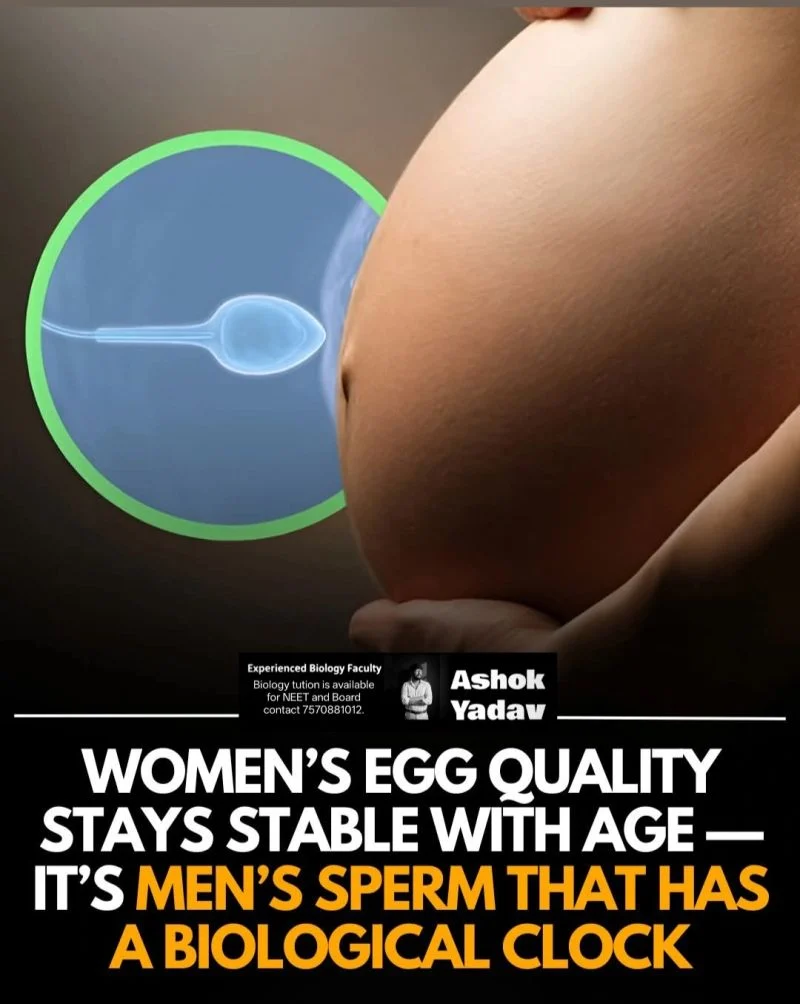
“A groundbreaking 2025 study published in Science Advances has revealed that while women experience a decline in the number of eggs as they age, the quality of those eggs at the DNA level remains surprisingly stable. In contrast, men’s sperm accumulates genetic mutations over time, making older fathers more likely to pass on DNA errors that can contribute to developmental and neurological conditions in their children.
Researchers found that these sperm mutations increase steadily with age, particularly after 40, while eggs showed minimal DNA damage accumulation. This challenges decades of assumptions about female fertility and aging – and flips the traditional ‘biological clock‘ narrative on its head.
The implications are significant: men’s age can influence conception success, pregnancy outcomes, and long-term child health just as much as women’s.
In essence, time affects both sexes – just in very different ways.”
Stay updated on all scientific advances in the field of fertility with Fertility News.
-
Mar 21, 2026, 19:55Rebecca Mallick: Fertility Must Become Standard in Endometriosis Care
-
Mar 21, 2026, 19:48Kendra Batchelder: The Momentum Behind Women’s Health Innovation
-
Mar 21, 2026, 19:44COVID-19 Vaccination During Pregnancy in 2026 – Weence Health Content Services
-
Mar 21, 2026, 19:37Endometriosis and the Endocannabinoid System – ANTG
-
Mar 21, 2026, 19:35Corina Carpenter: A Guide to Clinical Trial Compensation in San Antonio
-
Mar 21, 2026, 19:31The Signals Behind PCOS – PCOS Awareness Association
-
Mar 21, 2026, 19:26Paternal Impact on Embryo Morphokinetics and ART Success – RBMO
-
Mar 21, 2026, 19:19Christopher Robinson: Maternal Fetal Pharmacokinetics of Azithromycin in Preterm Premature Rupture of Membranes
-
Mar 21, 2026, 19:13Lori Brumat: Why Women’s Health Should Matter to Everyone Right Now