
Saadat Hassan: Oil-Free Embryo Culture – Is Oil Still Essential?
“What current evidence reveals about oil overlay, humidity, osmolality, and clinical validation”
“Oil-free embryo culture challenges a familiar assumption in assisted reproduction: that mineral or paraffin oil is indispensable for maintaining a stable culture environment. In conventional in vitro fertilization (IVF), a layer of embryo-tested oil covers small volumes of culture medium, limiting evaporation and helping stabilize temperature, pH and osmolality. Yet the presence of oil is not itself a clinical outcome. The relevant question is whether a particular culture system maintains the conditions necessary for embryo development, and whether its safety and effectiveness have been demonstrated.
Why is oil-free embryo culture being reconsidered?
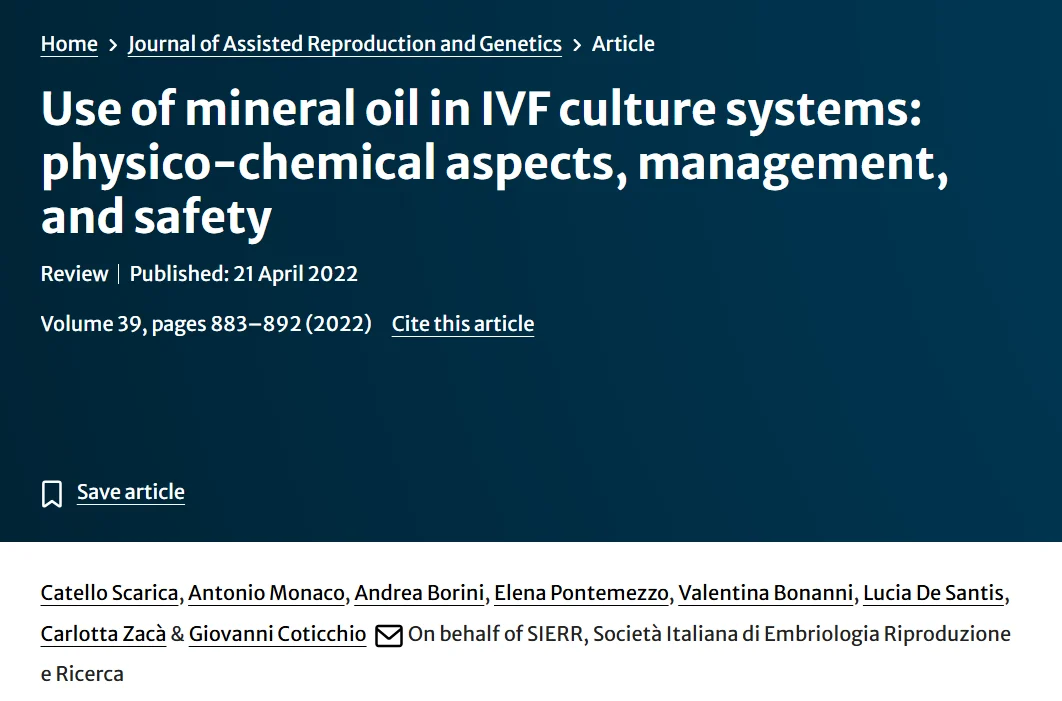
The appeal is understandable. Removing oil could simplify dish preparation, reduce consumable requirements, and eliminate one potential source of chemical contamination. Scarica and colleagues (2022) describe how oil composition, handling, and storage influence performance, including risks related to contaminants and oxidation. However, removing a protective layer also removes part of the system’s barrier against water loss. A lower-cost or simpler workflow is not automatically a biologically equivalent workflow.
The central distinction is between a conventional microdrop without oil and an engineered oil-free system designed to control evaporation through another mechanism. These are not interchangeable. Medium volume, exposed surface area, dish geometry, incubator humidity, gas exchange, and time outside the incubator collectively determine the culture microenvironment. Claims about oil-free culture therefore require a description of the entire system, not merely the absence of an overlay.
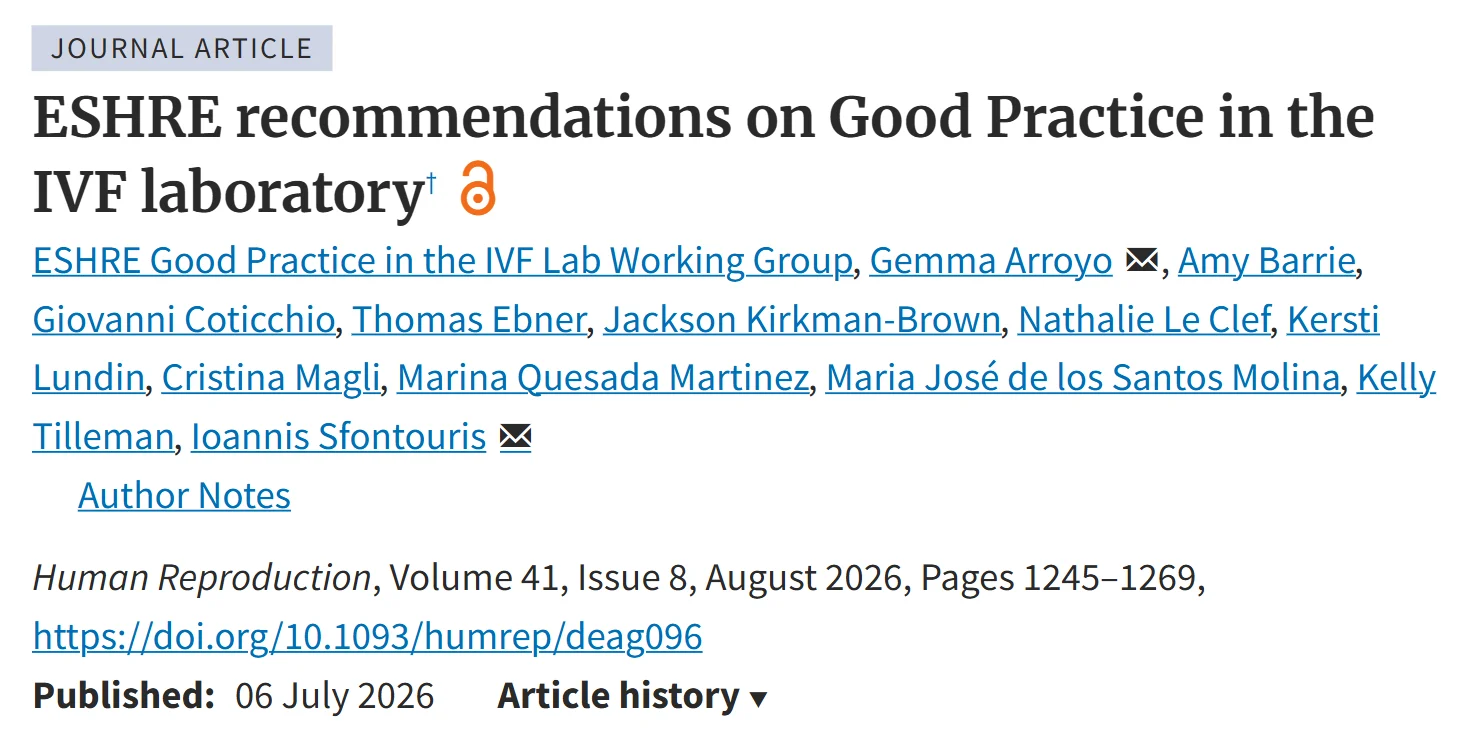
The updated ESHRE recommendations (2026) advise using an appropriate oil overlay where indicated to reduce fluctuations in pH, temperature and osmolality. They also emphasize manufacturer instructions and internally validated equilibration procedures. This is a qualified recommendation rather than a universal declaration that every conceivable oil-free system is unsafe.
What do laboratory studies show about humidity and osmolality?
Osmolality describes the concentration of dissolved particles in a solution. When water evaporates from culture medium, the concentration of remaining solutes increases. Embryos are sensitive to their extracellular environment, making osmolality control a fundamental quality parameter rather than a minor technical detail.
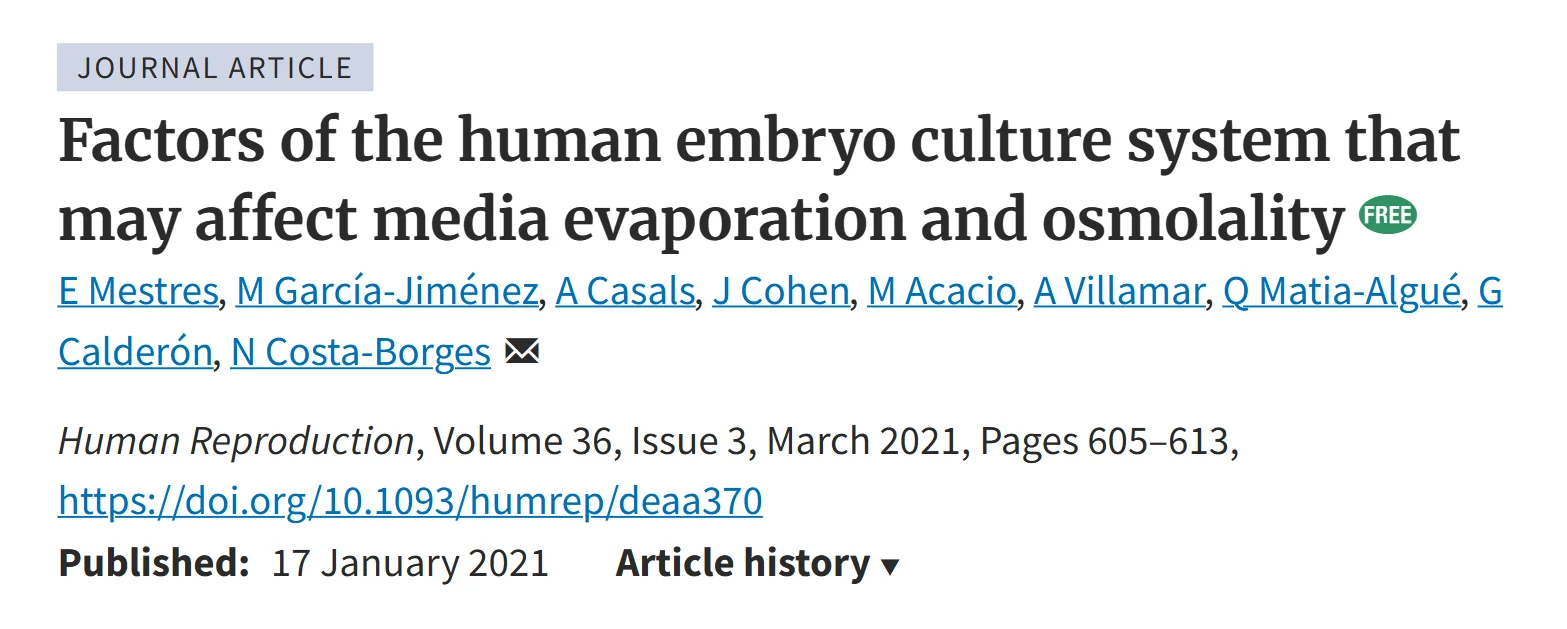
Mestres and colleagues (2021) directly examined factors affecting evaporation and osmolality. In one experiment using 700 µL of medium in wells overnight in a humidified incubator, the reported osmolality was 261 ± 4.4 mOsm/kg without oil, compared with 253.7 ± 3.2 with 300 µL of oil and 252.6 ± 2.8 with 700 µL of oil. The no-oil condition showed significantly greater water loss. Importantly, this experiment measured physical properties of the culture medium; it did not establish differences in human live-birth rates.
The same investigation showed that droplet size and oil volume influence evaporation. Its findings are not a universal prescription for one oil volume or a single drop size. They demonstrate why geometry, time, and the atmosphere surrounding the medium must be considered together. A large uncovered well under humid conditions is not equivalent to a small uncovered microdrop in a dry benchtop incubator.
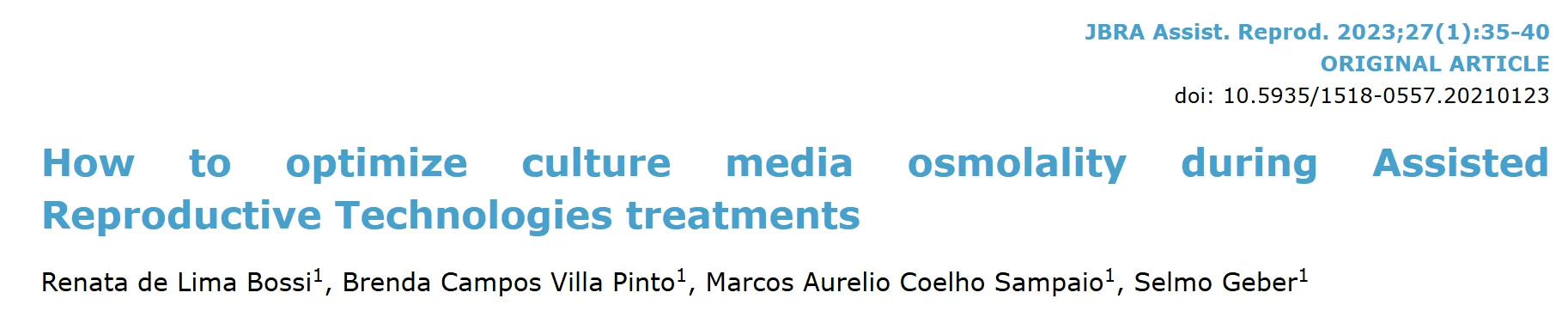
Bossi and colleagues (2023) similarly studied osmolality changes across culture conditions, including humid and dry incubators. Their experimental droplets were oil-covered. Their findings are relevant to the limitations of oil protection and the importance of incubator atmosphere, but cannot be presented as a direct comparison of oil-free and oil-covered embryo culture.
Does evidence from dry incubators or different oils answer the oil-free question?
No. Humidity and oil overlay are separate variables. A dry incubator can contain oil-covered dishes, while a humidified incubator can also be used with oil-covered media. Conflating these comparisons would misidentify the intervention responsible for an observed result.
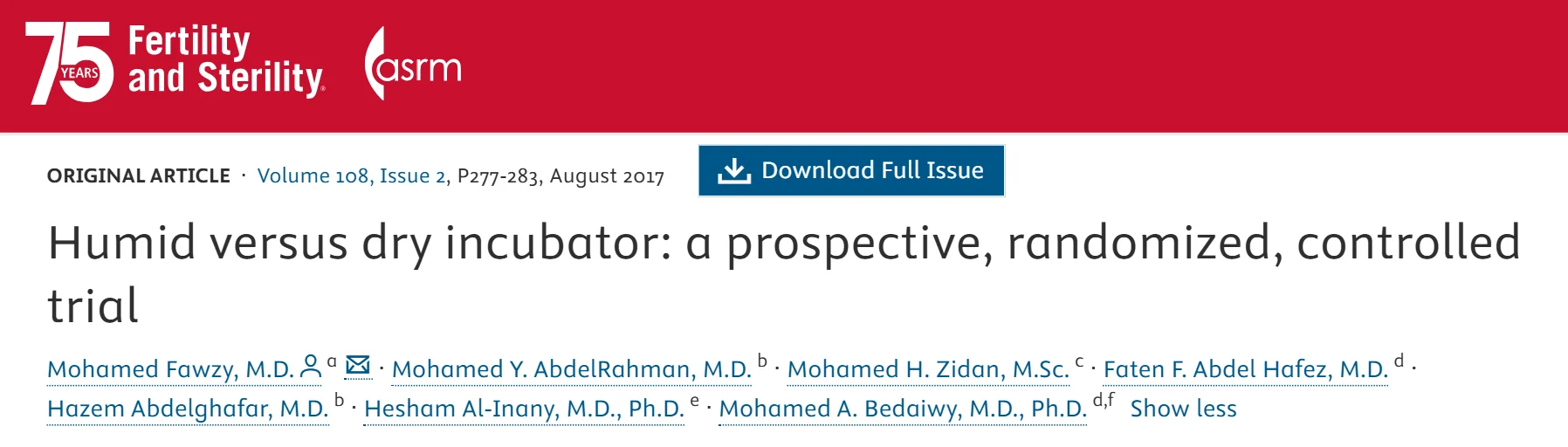
In a prospective randomized trial involving 297 women, Fawzy and colleagues (2017) compared embryo culture in dry and humidified incubators. Clinical pregnancy and ongoing pregnancy were lower in the dry-culture arm, with reported odds ratios of 0.57 (95% CI 0.36–0.91) and 0.54 (95% CI 0.34–0.85), respectively. This trial supports the clinical importance of the incubator environment within the tested system. It does not test whether removing oil produces the same effect.
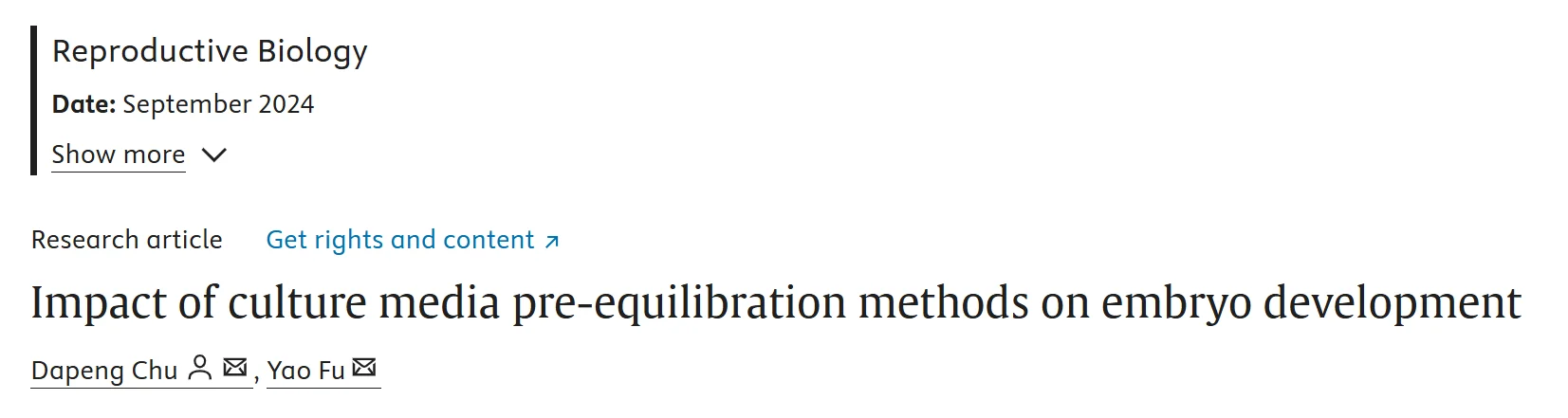
Pre-equilibration provides another example of system dependence. Chu and Fu (2024) compared four methods of preparing oil-covered media using humid and dry incubators. Some dry-preparation conditions had higher osmolality after prolonged incubation. Their retrospective comparison found differences in certain embryo-development measures, whereas clinical pregnancy outcomes did not significantly differ between the two methods compared. Because all methods involved mineral oil, these findings do not establish the safety or inferiority of oil-free culture.
The type of oil is itself a potential confounder. Scarica and colleagues (2022) summarize how viscosity, density, water content, purity, and overlay thickness influence physical performance. ESHRE (2026) notes that different oil viscosities offer different degrees of protection against fluctuations, but that solid evidence linking these physical differences to improved laboratory key performance indicators or clinical outcomes remains limited. Better evaporation control is valuable, yet it must not be automatically translated into better pregnancy or live-birth outcomes.
How should a proposed oil-free system be validated?
A responsible assessment begins before patient embryos are exposed. First, the intended dish, medium volume, incubator, gas conditions, humidity, and handling duration need to be defined precisely. Second, the system requires repeated measurements of osmolality, pH, and temperature over the full proposed culture interval, including realistic periods of dish handling outside the incubator. Measurements must reflect the actual configuration rather than values inferred from a different medium, dish, or incubator.
Third, laboratory quality assurance must address microbial and chemical contamination, equipment calibration, humidity control, alarm responses, and reproducibility across operators and batches. If the system uses a new material or chamber design, biocompatibility and embryo-toxicity testing are also relevant. Manufacturer compatibility and local regulatory and ethical requirements cannot be replaced by a successful informal experiment.
Finally, laboratory stability alone is insufficient to demonstrate clinical equivalence. Appropriately designed comparative studies must assess embryo-development outcomes alongside clinically meaningful endpoints, preferably including ongoing pregnancy and live birth, while controlling for maternal age, ovarian response, fertilization method, embryo stage and transfer practice. A small improvement in a physical measurement, or an encouraging series of embryos, does not establish non-inferiority in patient outcomes.
Oil-free embryo culture is therefore a question of system engineering and evidence, not a contest between traditional and modern practice. Existing studies demonstrate the protective role of oil in common culture configurations and the importance of humidity and equilibration. They do not prove that every oil-free design must fail, nor do they establish oil-free culture as a clinically interchangeable replacement for validated oil-overlay protocols.
The standard remains a stable, reproducible, and demonstrably safe environment for the developing embryo.”
Written by Saadat Hassan
Senior Clinical Embryologist/IVF and Embryology
BSc (Hons) Medical Laboratory Technology
King Edward Medical University, Lahore, Pakistan
References
Title: ESHRE recommendations on Good Practice in the IVF laboratory
Authors: ESHRE Good Practice in the IVF Lab Working Group, Gemma Arroyo, Amy Barrie, Giovanni Coticchio, Thomas Ebner, Jackson Kirkman-Brown, Nathalie Le Clef, Kersti Lundin, Cristina Magli, Marina Quesada Martinez, Maria José de los Santos Molina, Kelly Tilleman, Ioannis Sfontouris
You can read the Full Article in Human Reproduction.
Title: Factors of the human embryo culture system that may affect media evaporation and osmolality
Authors: E Mestres , M García-Jiménez , A Casals , J Cohen , M Acacio , A Villamar , Q Matia-Algué , G Calderón , N Costa-Borges
You can read the Full Article in Human Reproduction.
Title: Humid versus dry incubator: a prospective, randomized, controlled trial
Authors: Mohamed Fawzy, Mohamed Y. AbdelRahman, Mohamed H. Zidan, Faten F. Abdel Hafez, Hazem Abdelghafar, Hesham Al-Inany, Mohamed A. Bedaiwy
You can read the Full Article in Fertility and Sterility.
Title: How to optimize culture media osmolality during Assisted Reproductive Technologies treatments
Authors: Renata de Lima Bossi1, Brenda Campos Villa Pinto1, Marcos Aurelio Coelho Sampaio1, Selmo Geber1
You can read the Full Article in JBRA Assisted Reproduction.
Title: Impact of culture media pre-equilibration methods on embryo development
Authors: Dapeng Chu, Yao Fu
You can read the Full Article in Reproductive Biology.
Title: Use of mineral oil in IVF culture systems: physico-chemical aspects, management, and safety
Authors: Catello Scarica, Antonio Monaco, Andrea Borini, Elena Pontemezzo, Valentina Bonanni, Lucia De Santis, Carlotta Zacà and Giovanni Coticchio, on behalf of SIERR, Società Italiana di Embriologia Riproduzione e Ricerca
You can read the Full Article in the Journal of Assisted Reproduction and Genetics.
Other articles featuring Saadat Hassan on Fertility News.
-
Oct 22, 2026, 16:27Can PCOS/PMOS Increase the Risk of Premature Death? – PCOS Millennials
-
Oct 22, 2026, 16:18Margaret Cali: Before IVF Begins, a Lot of Preparation Happens…
-
Oct 22, 2026, 16:11Beata Blazkova: Does Every IVF Laboratory Need AI for Embryo Selection?
-
Oct 22, 2026, 15:35Devyanshi Dixit: What If the Next Clue to Endometriosis Is Already Circulating in the Blood?
-
Oct 22, 2026, 15:33Andrew Kelleher: Looking to Grow Kelleher Lab at the University of Missouri
-
Oct 22, 2026, 15:28Susanne Mitschke: Weight-Loss Drugs for Endometriosis?
-
Oct 22, 2026, 15:22Beth Zoneraich: Pinnacle Fertility Team Is Heading to the ASRM 2026
-
Oct 22, 2026, 15:18Kim Schamroth: Honored to Be Representing EraBorn and EDN at ASRM 2026
-
Oct 22, 2026, 15:13Becca DiCondina Has Been Appointed Clinical Science Specialist at CooperSurgical