

Somil Singhal: Method for Enhancing Embryo Implantation Using Embryo Glue and Its Importance
Somil Singhal, Medical Doctor at AIIMS (All India Institute of Medical Sciences, New Delhi), shared on LinkedIn:
“Method for enhancing embryo implantation by using Embryo Glue and its importance
Embryo glue is used to enhance the success of IVF procedures
This substance is referred to as a culture medium supplement and plays a critical role in the delicate process of embryo transfer during IVF.
Embryo glue is unique because of its special composition that provides nourishment to the uterus.
It contains specific components and high viscosity to create a positive microenvironment for the developing embryo. This promotes a strong and stable connection between the embryo and the uterine lining, ultimately increasing the chances of successful implantation and pregnancy.
The purpose is to provide a sticky quality that encourages the embryo to ‘stick’ to the uterine lining, which is critical for successful implantation.
By optimizing the conditions for embryo transfer, it minimizes the risk of embryo displacement and offers a higher likelihood of establishing a successful connection by reducing the probability of implantation failure.
This solution has proven particularly beneficial for couples struggling with infertility, recurrent miscarriages, or failed IVF attempts.
How is Embryo Glue Used?
Preparation: Patient undergoes controlled ovarian stimulation to produce multiple eggs, which are then retrieved.
Fertilization: The retrieved eggs are fertilized with sperm in the laboratory, either through IVF or intracytoplasmic sperm injection
Culturing Embryos: The fertilized eggs develop into embryos and are cultured under specific conditions in a specialized incubator.
Embryo Selection: Once the embryos reach a suitable stage of development, usually about 3 to 5 days after fertilization, healthcare professionals assess their quality. They can select the most promising embryos for transfer.
Embryo Transfer: Before the embryo transfer procedure, it is necessary to prepare the uterine lining to accept the embryo. The embryo glue or a culture medium supplemented with a sticky component is used during the embryo transfer.
Application of Embryo Glue: The embryo glue solution is carefully added to the tip of the transfer catheter, along with the selected embryo.
Transfer Procedure: Using a guided wire or transfer catheter through the cervix and into the uterus, depositing the embryo and the glue solution must be used.
Does Embryo Glue Help Prevent Ectopic Pregnancy? Frequently asked by clinicians and patients
The best answer to this is it can’t directly prevent an ectopic pregnancy; embryo glue can help stop it from happening by influencing implantation that occurs properly.
Proven to increase clinical pregnancy rate and live birth rate when used for embryo transfer
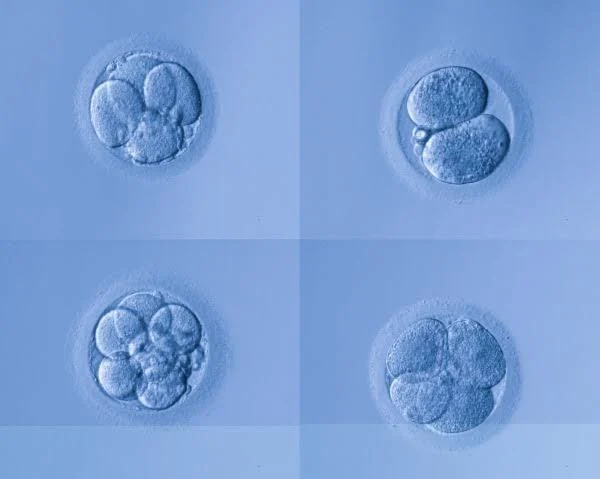
Proven to increase clinical pregnancy rate and live birth rate when used for embryo transfer
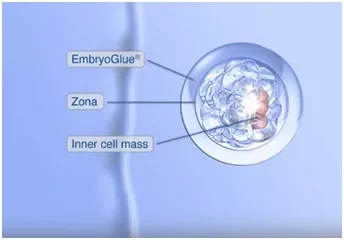
The high concentration of hyaluronan in EmbryoGlue mimics the condition in the uterus around the time of embryo implantation
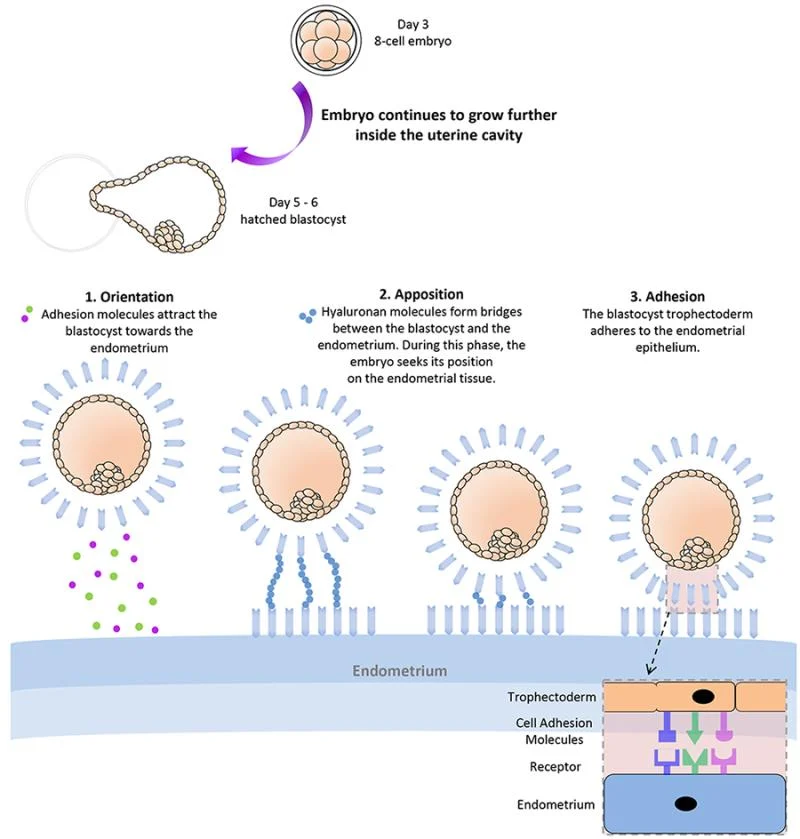
The main purpose is to provide a sticky quality that encourages the embryo to adhere to the uterine lining, which is crucial for successful implantation.
By optimizing the conditions of embryo transfer, it minimizes the risk of embryo displacement and offers a higher likelihood of a successful connection.
It also reduces the probability of implantation failure.
Individuals with Specific Medical Conditions:
Embryo glue may be recommended for those with conditions affecting the uterine lining or embryo development.
Who is Embryo Glue Used For
Primarily used by individuals and couples undergoing in vitro fertilization (IVF) treatments. Those who use embryo glue may include:
Couples Experiencing Infertility Issues
In such cases, embryo glue can be used as part of the IVF procedure to enhance the chances of successful implantation and pregnancy.
Women Experiencing Recurrent Miscarriages may use embryo glue during subsequent IVF attempts to increase their chances of a successful pregnancy.
This can provide a higher probability of embryo implantation and reduce the risk of miscarriage.
Patients with a History of Failed IVF Cycles: Individuals who have undergone multiple failed IVF cycles may consider using embryo glue in their subsequent attempts.
This can help increase the chances of implantation and improve the likelihood of a successful pregnancy.”
Proceed to the video attached to the post.
Other articles featuring Somil Singhal on Fertility News.
-
Oct 13, 2026, 16:58Slavian Bumbu: A Low AMH Is Not an Infertility Diagnosis
-
Oct 13, 2026, 16:43Keshav Malhotra: No Embryologist or Laboratory Technique Can Guarantee Euploid Embryos
-
Oct 13, 2026, 16:37Tony Gordon: What Is the Most Successful Form of Fertility Treatment?
-
Oct 13, 2026, 16:29IVI RMA Global Introduces IVI Fertility
-
Oct 13, 2026, 16:12Devyanshi Dixit: PCOS May Be One Diagnosis, But Is It One Biological Disease?
-
Oct 13, 2026, 16:00Rajeev Agarwal: Age and Male Fertility, Through the PREPARE Method
-
Oct 13, 2026, 15:505 Years of the Patient Engagement Forum – HFEA
-
Oct 13, 2026, 15:41Cell-Free Fetal DNA Testing for Single-Gene Conditions – RCOG
-
Oct 13, 2026, 15:06Clare Mansfield: Pregnancy Loss Is Grief, and Grief Looks Different for Everyone…