
Esraa Atef: A New Frontier in Reproductive Medicine and Infertility Treatment
Esraa Atef, Embryologist at City Hospital, shared a post on LinkedIn:
“Extracellular Vesicles: A New Frontier in Reproductive Medicine and Infertility Treatment
Infertility affects nearly 1 in 6 couples worldwide, making it a global health challenge with profound medical, psychological, and social implications. Although assisted reproductive technologies (ART) such as IVF and ICSI have revolutionized fertility treatment, many current approaches still focus on overcoming infertility rather than addressing its underlying molecular causes.
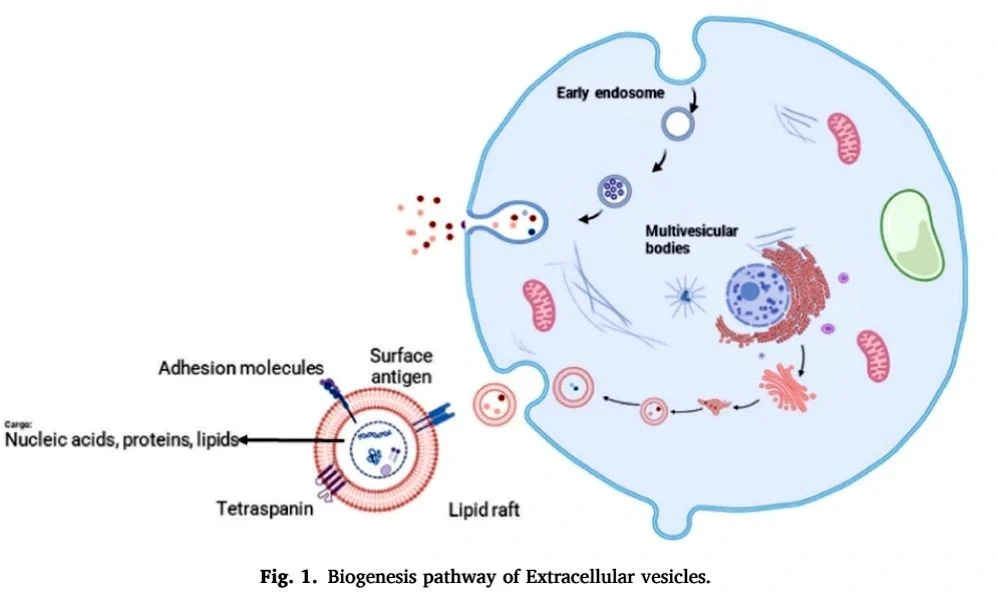
In recent years, extracellular vesicles (EVs) have emerged as powerful regulators of intercellular communication within the reproductive system. These nano-sized vesicles carry a diverse cargo of proteins, lipids, mRNA, microRNA, and other bioactive molecules, enabling them to modulate gene expression and cellular signaling in recipient cells.
Why are EVs important in reproduction?
Research has demonstrated that EVs derived from reproductive tissues—including the testis, epididymis, uterus, and oviduct—play essential roles in:
- Gametogenesis
- Sperm maturation and motility
- Fertilization
- Embryo development
- Implantation
For example:
Epididymal EVs regulate sperm maturation and functional competence.
Uterine and oviductal EVs enhance sperm performance, embryo quality, and early embryonic development.
Therapeutic and clinical potential
One of the most exciting aspects of EV research is their potential as engineered therapeutic delivery systems. EVs can be modified to deliver specific molecular cargo, opening new possibilities to:
- Improve gamete and embryo quality
- Reduce implantation failure
- Enhance ART success rates
- Develop non-invasive biomarkers for infertility diagnosis
Insights from veterinary and translational research
Veterinary studies have further highlighted the value of EVs in:
- Cryopreservation strategies
- Oocyte maturation
- Management of reproductive disorders across species
-These findings strengthen the translational bridge between animal models and human reproductive medicine.
Looking ahead
The integration of advanced omics technologies, microfluidics, and bioengineering is expected to accelerate EV-based applications, positioning extracellular vesicles as next-generation diagnostic tools and therapeutic agents in reproductive medicine.
EVs are not just messengers — they may be the key to unlocking the molecular secrets of infertility.
Paper: The role of extracellular vesicles in animal reproduction”
Stay updated on all scientific advances in the field of fertility with Fertility News.
-
Sep 13, 2026, 15:11Sachintha Alwis: From Impaired Sperm Motility to Microrobotics
-
Sep 13, 2026, 15:08Laurence Orbuch: Before Endometriosis Surgery, Ask…
-
Sep 13, 2026, 15:05Ademola Ayodele: IUI, IVF or Egg Freezing – Which One Is Right for You?
-
Sep 13, 2026, 14:59Fiona Pathiraja-Møller: Tennis Players No Longer Have to Choose Between Career and Family
-
Sep 13, 2026, 14:571-Day Virtual Experience for People Impacted by PMOS – PCOS Awareness Association
-
Sep 13, 2026, 14:53Ozor Victor: Behind Every Embryo Is a Story of Science, Precision, and Hope
-
Sep 13, 2026, 14:50Diana Kayal: What They Don’t Tell You About IVF
-
Sep 13, 2026, 14:44Vikram Sinai Talaulikar: A Heartfelt Thank You to All Who Donated and Supported “Menopause and Cancer”
-
Sep 13, 2026, 14:41Nicole McPherson: Changing IVF Practices Is Hard – Integration Needs to Be Easy