
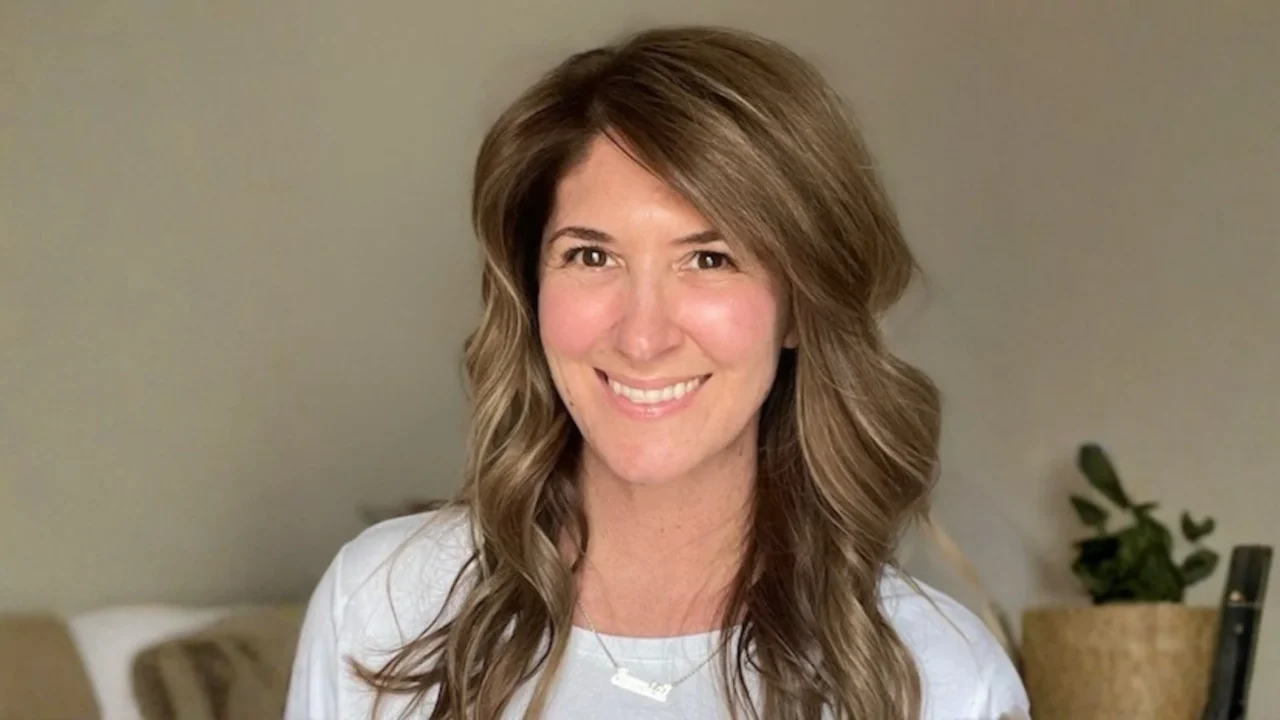
Jamie Agunsday: Understanding Pregnancy-Related Deaths
Jamie Agunsday, NJ Section Chair at Association of Women’s Health, Obstetric and Neonatal Nurses (AWHONN), shared a post on LinkedIn:
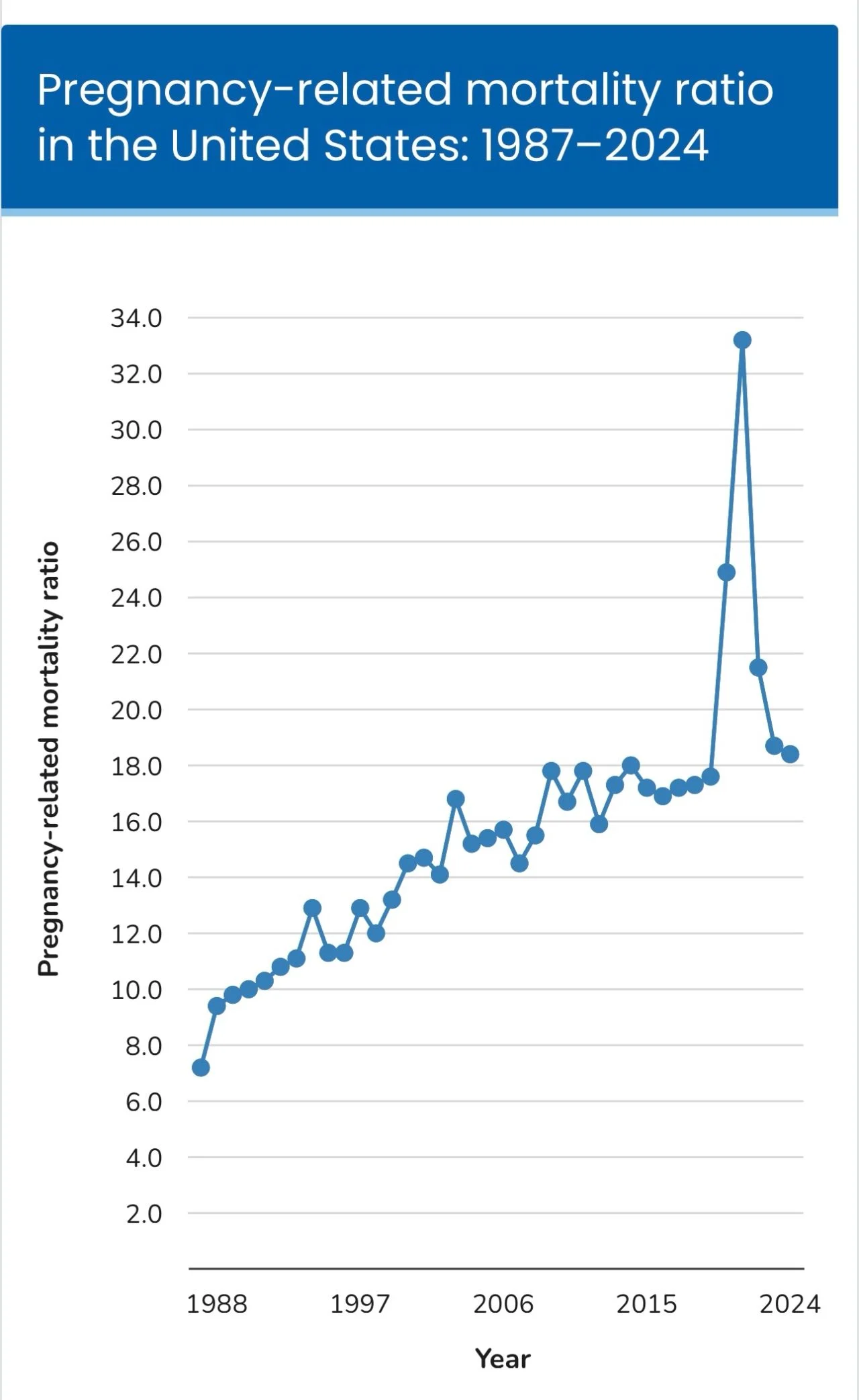
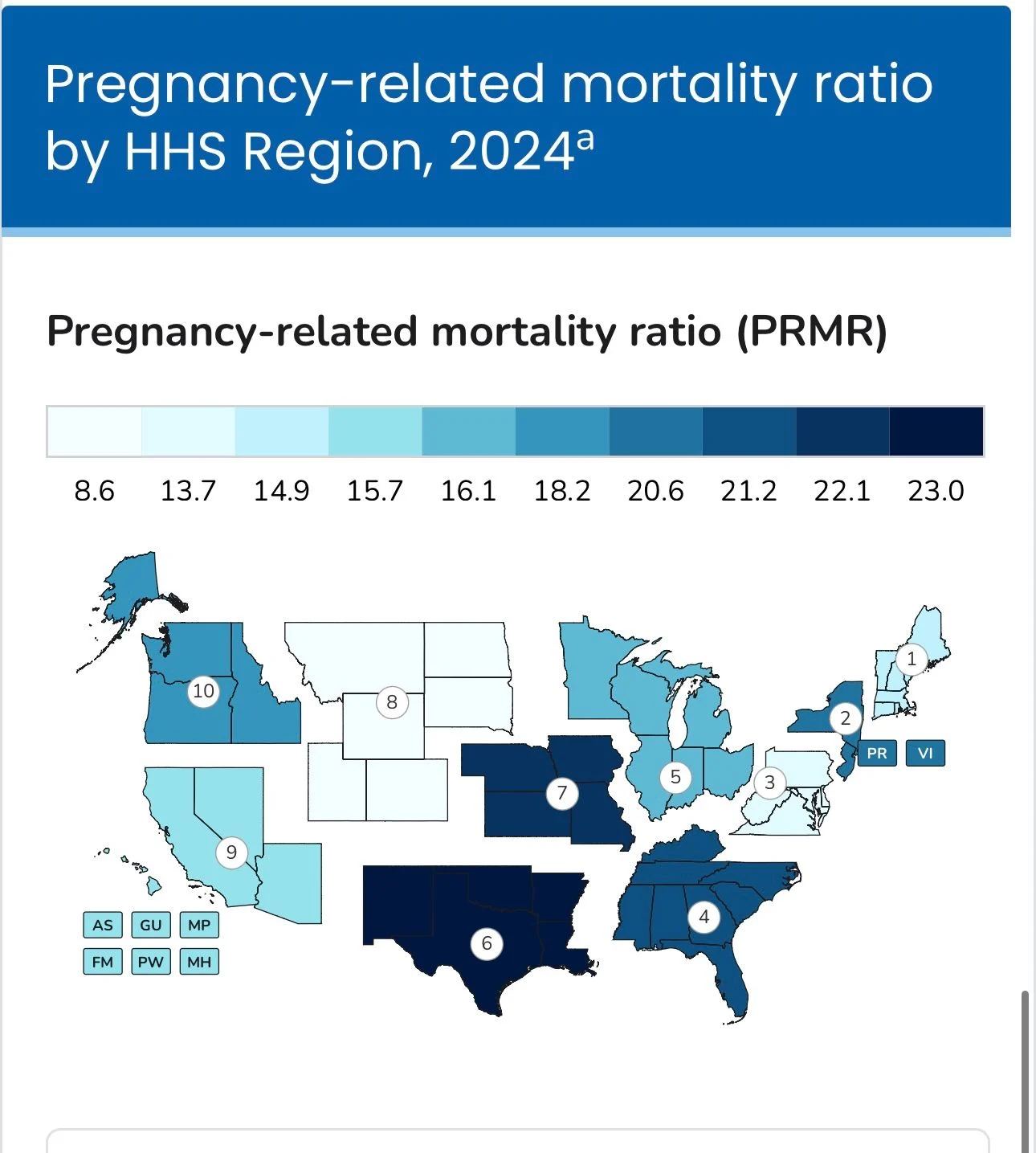
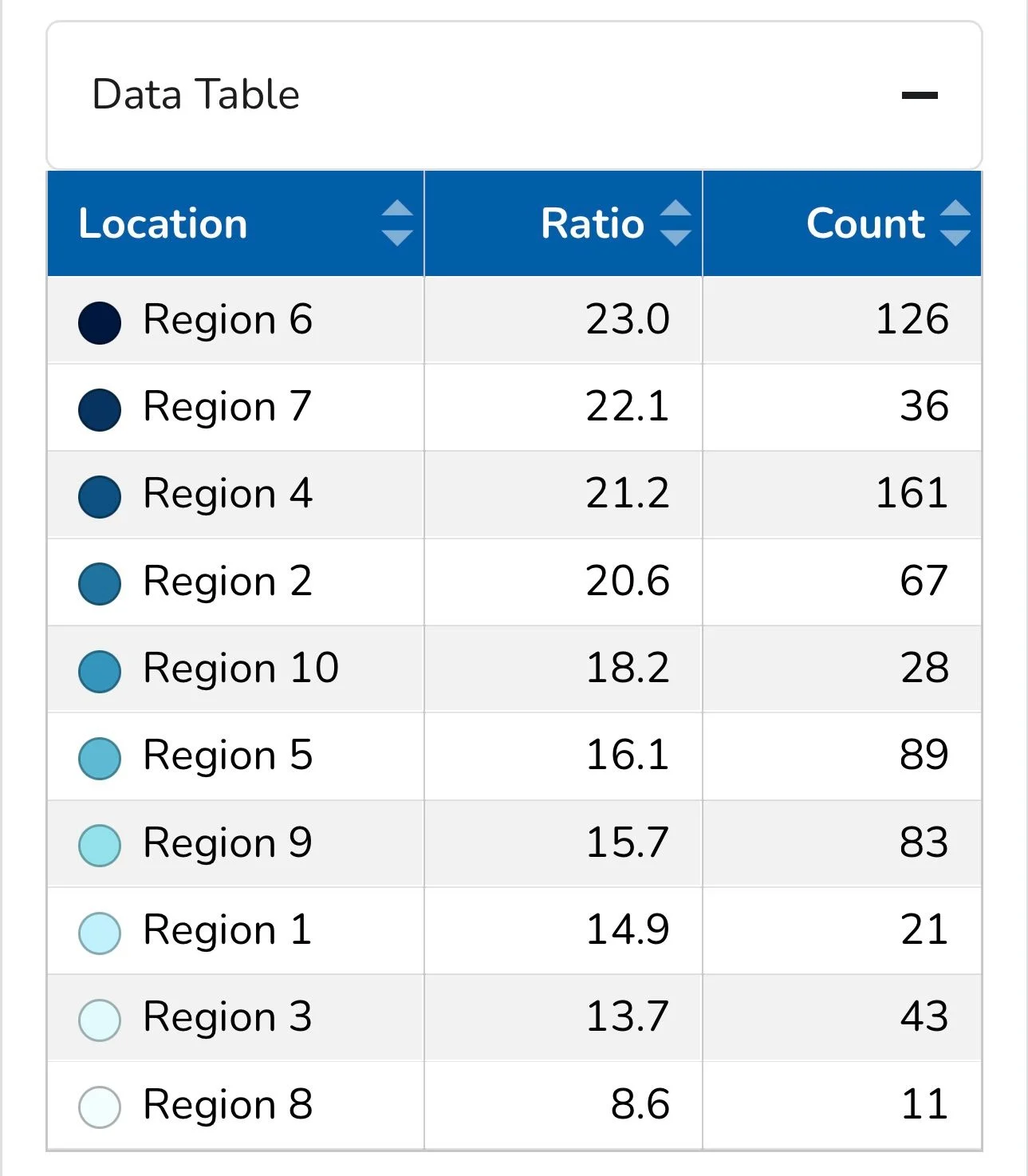
“CDC released 2024 data on pregnancy related deaths today from the Pregnancy Mortality Surveillance System (PMSS).
I am incredibly grateful for the teams of brilliant, dedicated public servants doing this work. It’s been an incredibly challenging year and their small team has persevered.
Some 2024 info:
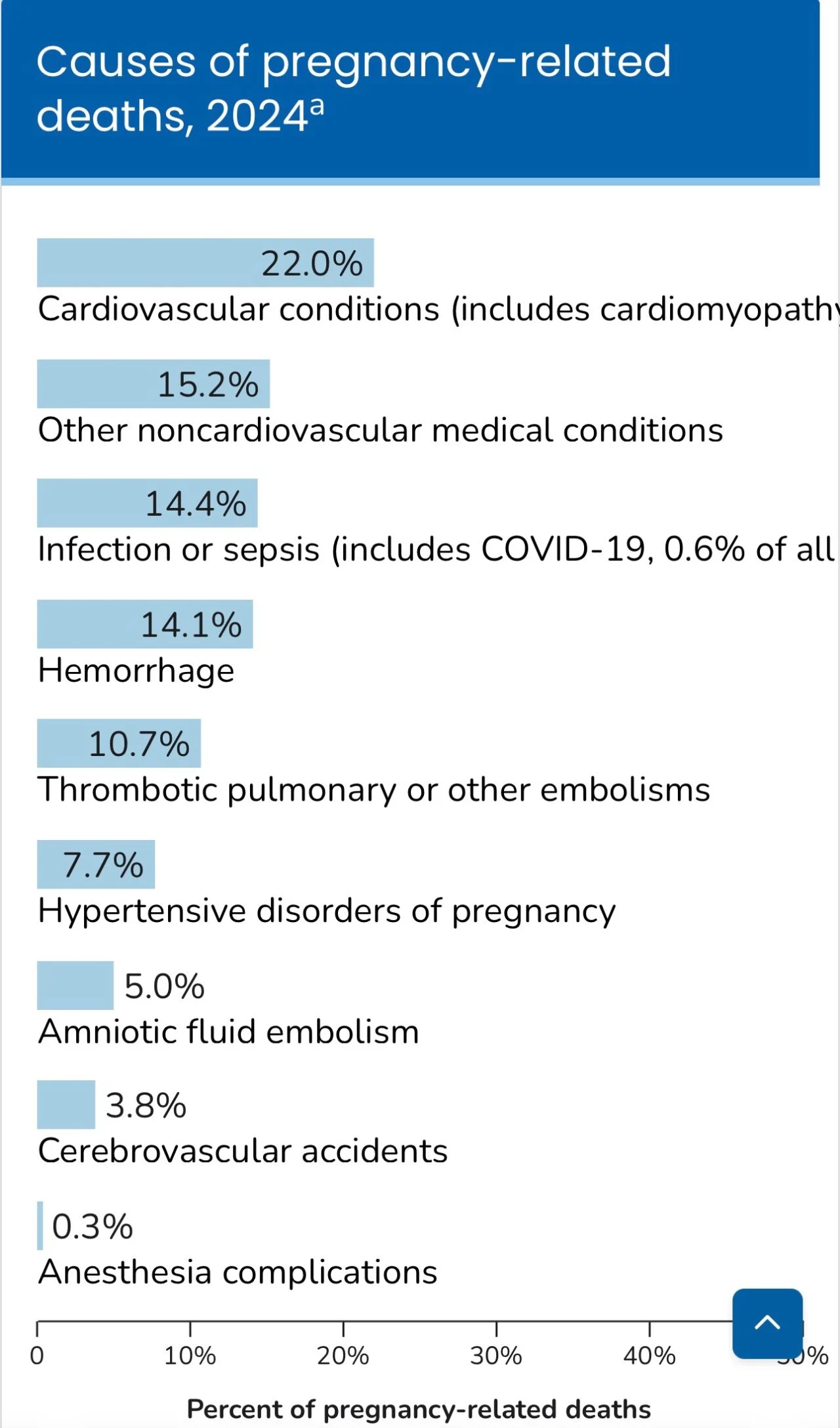
The leading causes of pregnancy related death were:
- cardiovascular conditions
- other medical conditions (a consolidated category of less frequently occurring conditions-think asthma, diabetes, lupus…)
- sepsis
- hemorrhage
- embolism
(Mental health causes/manners of death including overdose and suicide are not included in PMSS reports.)
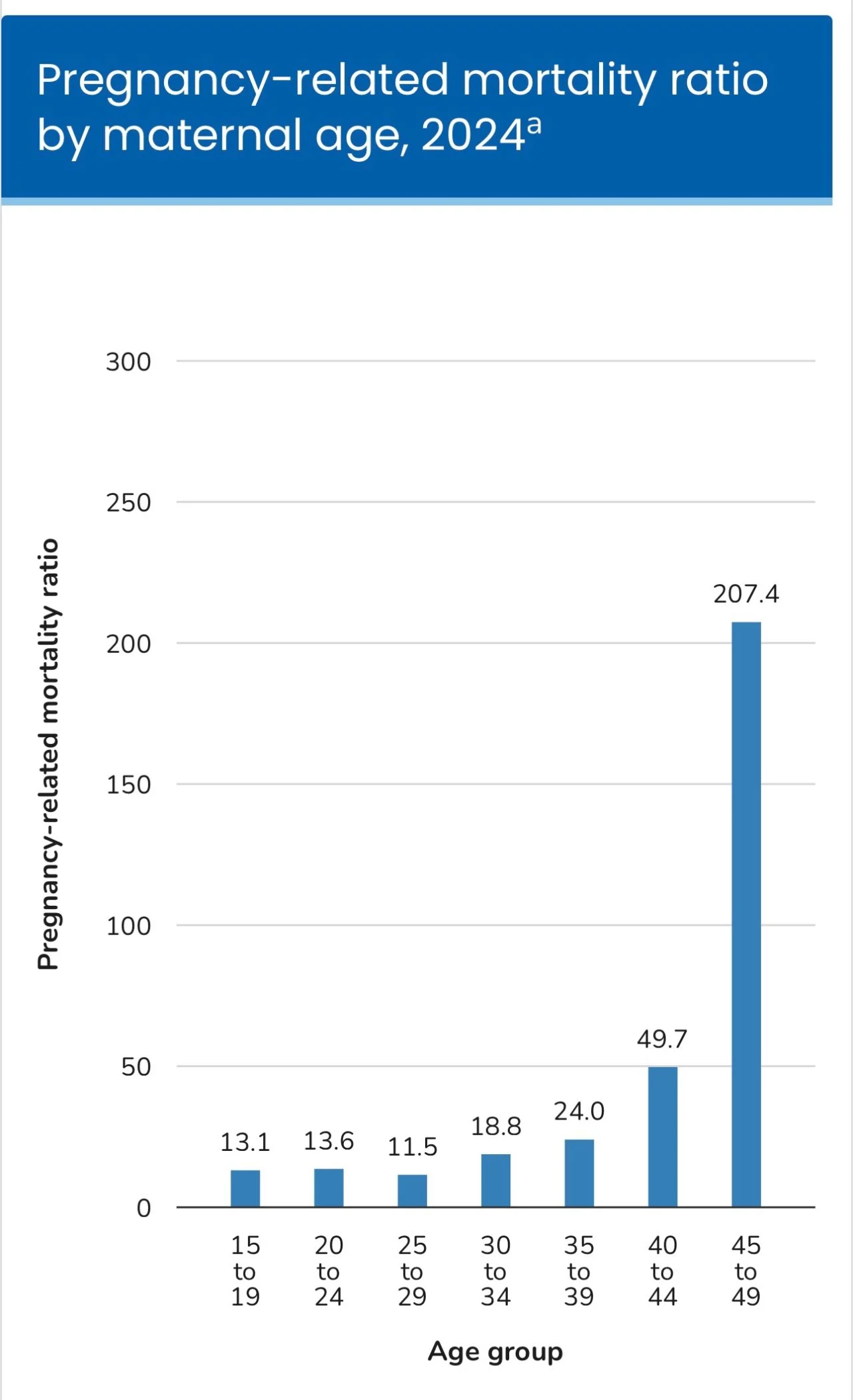
Important PMSS findings reflect persistent racial and age disparities esp for American Indian/Alaska Native women and Black women. Regional data shows where maternal deaths are concentrated.
This data is meant to be informative but fast. PMSS provides maternal mortality ratios that allow comparisons over time. The sources used are primarily maternal death certificates linked with fetal death or infant birth certificates.
I hope you’ve never had to read a death certificate, but it is an incredibly sad wealth of information. Did you know every death certificate includes a pregnancy checkbox that can help identify pregnancy related deaths?
The timeframe includes deaths that occurred during pregnancy up to one year after a pregnancy ends. A pregnancy related death is one that occurs from a condition directly related to or aggravated by a pregnancy.
PMSS is incredibly important as it gets us updated information relatively quickly. It gets supplemented by data from maternal mortality review committees which provide a much more in depth, albeit slower, view of MM. MMRCs can provide us with info on preventability and prevention recommendations.
However, you cannot compare PMSS and MMRC data. They are apples and oranges. The numbers will typically vary and the scope is very different. The N of states that submit info for each program is different as well.
Hope this was a helpful breakdown. Would love to hear thoughts or questions!”
Stay updated on all scientific advances in the field of fertility with Fertility News.
-
Sep 18, 2026, 20:27Hrishikesh Pai: Rethinking Male Infertility
-
Sep 18, 2026, 20:25Eric Verdin: Wrapping Up the Reproductive Aging Summit at the Center for Healthy Aging in Women
-
Sep 18, 2026, 20:21Investigating Pregnancy Outcomes in Women with Idiopathic POI – RBMO
-
Sep 18, 2026, 20:18Sue Ritchie: Why Aren’t We Talking About Male Fertility More?
-
Sep 18, 2026, 20:13Salma Yasin: Every Day of BFS Study Week 2026 Has Been an Exceptional Learning Experience
-
Sep 18, 2026, 20:01Qingcai Wang: Over 35 and Torn Between Trying Longer and Starting IVF?
-
Sep 18, 2026, 19:58Bhumika: Can a Woman Become Pregnant Again While Already Pregnant?
-
Sep 18, 2026, 19:5215 More Experts Join the International Fertility Forum Mumbai 2026
-
Sep 18, 2026, 19:50Curious About What Happens Behind the Scenes in the Labs? – Sims IVF