

Logesh Karuppusamy: Mental Health Matters in the Fertility Journey
Logesh Karuppusamy, Bachelor of Science in Psychology at SNS Institutions, shared a post on LinkedIn:
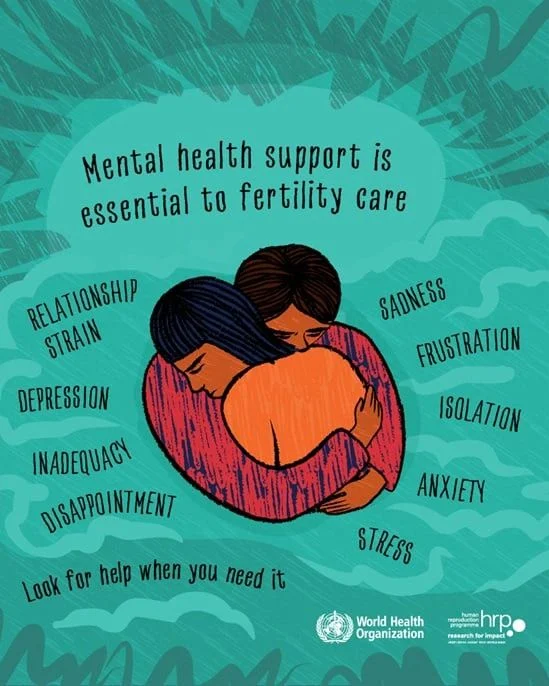
“The image you’ve shared is a powerful advocacy poster from the ‘World Health Organization (WHO)’ and the ‘Human Reproduction Programme (HRP)’. It highlights a critical, yet often overlooked, aspect of reproductive health: the deep emotional toll of the fertility journey. Here is an overview of the key themes and messages reflected in the poster: The ‘Invisible’ Burden of Infertility While fertility care often focuses on biological and medical treatments, the WHO emphasizes that ‘mental health is not a secondary concern – it is a core component’. The poster lists several psychological challenges that individuals and couples frequently face: ‘ ‘Emotional Distress:’ Feelings of sadness, frustration, anxiety, and depression are common responses to the ’emotional rollercoaste’ of hope and disappointment. ‘ ‘Self-Perception:’ Many struggle with feelings of ‘inadequacy’ or a sense of failure, which can damage self-esteem. ‘ ‘Interpersonal Impact:’ The stress of treatments, financial burdens, and societal expectations often leads to significant ‘relationship strain’ and a sense of ‘isolation’ from friends and family.
Why Support is Essential Research supported by organizations like the HRP indicates that the psychological stress of infertility can be as intense as that of other major medical conditions. Integrated mental health support is vital because: 1. ‘Coping Mechanisms:’ It provides tools to manage the uncertainty of outcomes and the physical demands of treatments like IVF. 2. ‘Healthier Outcomes:’ Reducing chronic stress can improve overall well-being and help patients stay resilient throughout their care. 3. ‘Reducing Stigma:’ By naming these feelings (as seen on the poster), the WHO aims to normalize the emotional struggle and encourage people to speak openly. ‘Seeking Help The call to action at the bottom – ‘Look for help when you need it’- is a reminder that professional counseling, support groups, and open communication with partners are active, positive steps in fertility care. Mental health support is a sign of proactive self-care, ensuring that the person, not just the’patient,’ is being treated. ‘Are you looking for more specific resources or information on how these mental health services are integrated into fertility clinics?'”
Stay updated on all scientific advances in the field of fertility with Fertility News.
-
Sep 18, 2026, 20:27Hrishikesh Pai: Rethinking Male Infertility
-
Sep 18, 2026, 20:25Eric Verdin: Wrapping Up the Reproductive Aging Summit at the Center for Healthy Aging in Women
-
Sep 18, 2026, 20:21Investigating Pregnancy Outcomes in Women with Idiopathic POI – RBMO
-
Sep 18, 2026, 20:18Sue Ritchie: Why Aren’t We Talking About Male Fertility More?
-
Sep 18, 2026, 20:13Salma Yasin: Every Day of BFS Study Week 2026 Has Been an Exceptional Learning Experience
-
Sep 18, 2026, 20:01Qingcai Wang: Over 35 and Torn Between Trying Longer and Starting IVF?
-
Sep 18, 2026, 19:58Bhumika: Can a Woman Become Pregnant Again While Already Pregnant?
-
Sep 18, 2026, 19:5215 More Experts Join the International Fertility Forum Mumbai 2026
-
Sep 18, 2026, 19:50Curious About What Happens Behind the Scenes in the Labs? – Sims IVF