

Paras Yadav: Understanding BMI’s Impact on IVF Outcomes
Paras Yadav, Embryologist Aveta IVF center, shared a post on LinkedIn:
“Headline: BMI and IVF: How Big of a Factor Is It Really?
Body: If you work in fertility, healthcare, or are personally navigating the IVF journey, you know success hinges on many factors. One we’re asked about constantly: How important is BMI?
The answer: critically important, but not the sole determinant. Here’s what the data tells us:
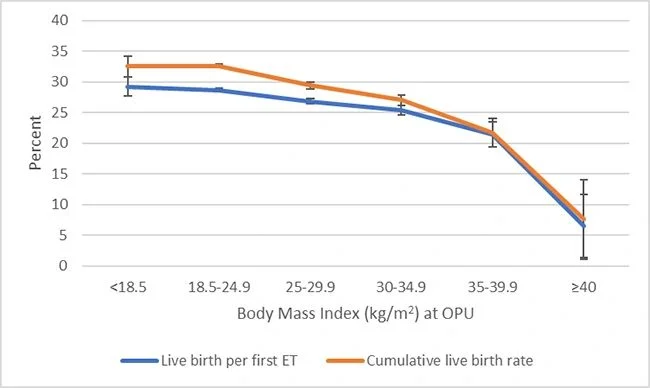
The Goldilocks Zone: Highest live birth rates are consistently seen in the normal BMI range (18.5-24.9). This is where hormonal balance and ovarian response are often optimal.
The Impact of High BMI: As BMI increases into overweight and obese categories, we see a trend:
- Need for higher medication doses
- Potential for fewer eggs retrieved
- Reduced egg/embryo quality
- Lower implantation and pregnancy rates
- Increased risk of miscarriage and pregnancy complications
Studies show women with obesity can see a30-40% lower chance of a live birth compared to those with a normal BMI.
The Impact of Low BMI: Being underweight can also disrupt ovulation and hormonal cycles, significantly reducing the chances of success.
The Crucial ‘But’: Success does NOT fully depend on BMI. Age, ovarian reserve, sperm quality, and the cause of infertility are equally vital players. A normal BMI doesn’t guarantee success, just as a high BMI doesn’t guarantee failure.
Key Takeaway for Clinics and Patients: BMI is a major modifiable factor. Even a 5-10% reduction in weight for those in higher BMI categories can dramatically improve treatment response and safety. Many clinics have BMI guidelines not as a barrier, but to maximize the patient’s chance for a healthy outcome.”
Stay updated on all scientific advances in the field of fertility with Fertility News.
-
Oct 11, 2025, 06:44The Global IVF Market Is Set to Reach $65B by 2032 – Meddilink
-
Feb 22, 2026, 17:50New Research on Oocyte Quality Challenges in DOR – RBMO
-
Feb 22, 2026, 06:58Ronell Martz: Fertility Preservation CME with Maria Costantini-Ferrando
-
Feb 22, 2026, 06:25Master Embryo Transfer Techniques at EFRE Conference 2026 – EFRE
-
Feb 22, 2026, 06:11New Insights into Comorbidities in Adenomyosis Patients – RBMO
-
Feb 22, 2026, 06:02New Evidence-Based Recommendations on Infertility – ESHRE
-
Feb 22, 2026, 05:54Sadashiva Pai: Breakthroughs in Ovarian Microenvironment for Infertility
-
Feb 22, 2026, 05:47Revolutionizing Uterine Drug Development with Dynamic Imaging – Fidēs Imaging
-
Feb 22, 2026, 05:34Kevin Lee: Bridging the Recognition Gap for ME/CFS Patients
-
Feb 22, 2026, 04:58Christy Kenady: Innovations in Women’s Health for Military Servicewomen