
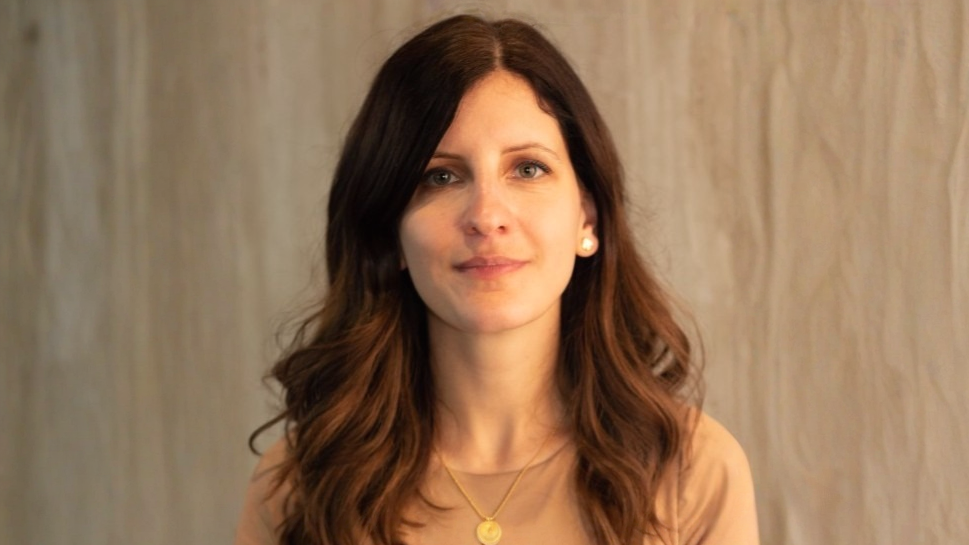
Dora Koller: Grouping Symptoms Across Body Systems Could Improve Endometriosis Diagnosis
Dora Koller, Principal Investigator at Institut de Recerca Sant Pau, shared a post on LinkedIn:
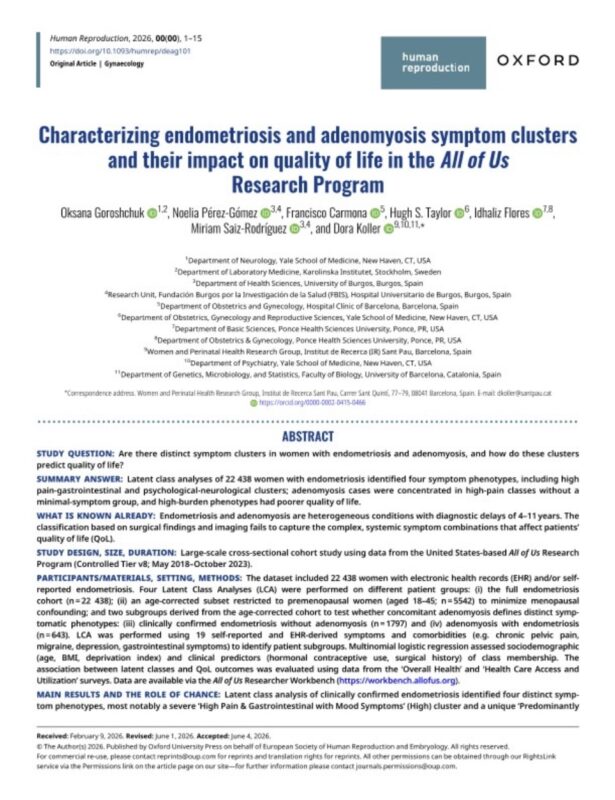
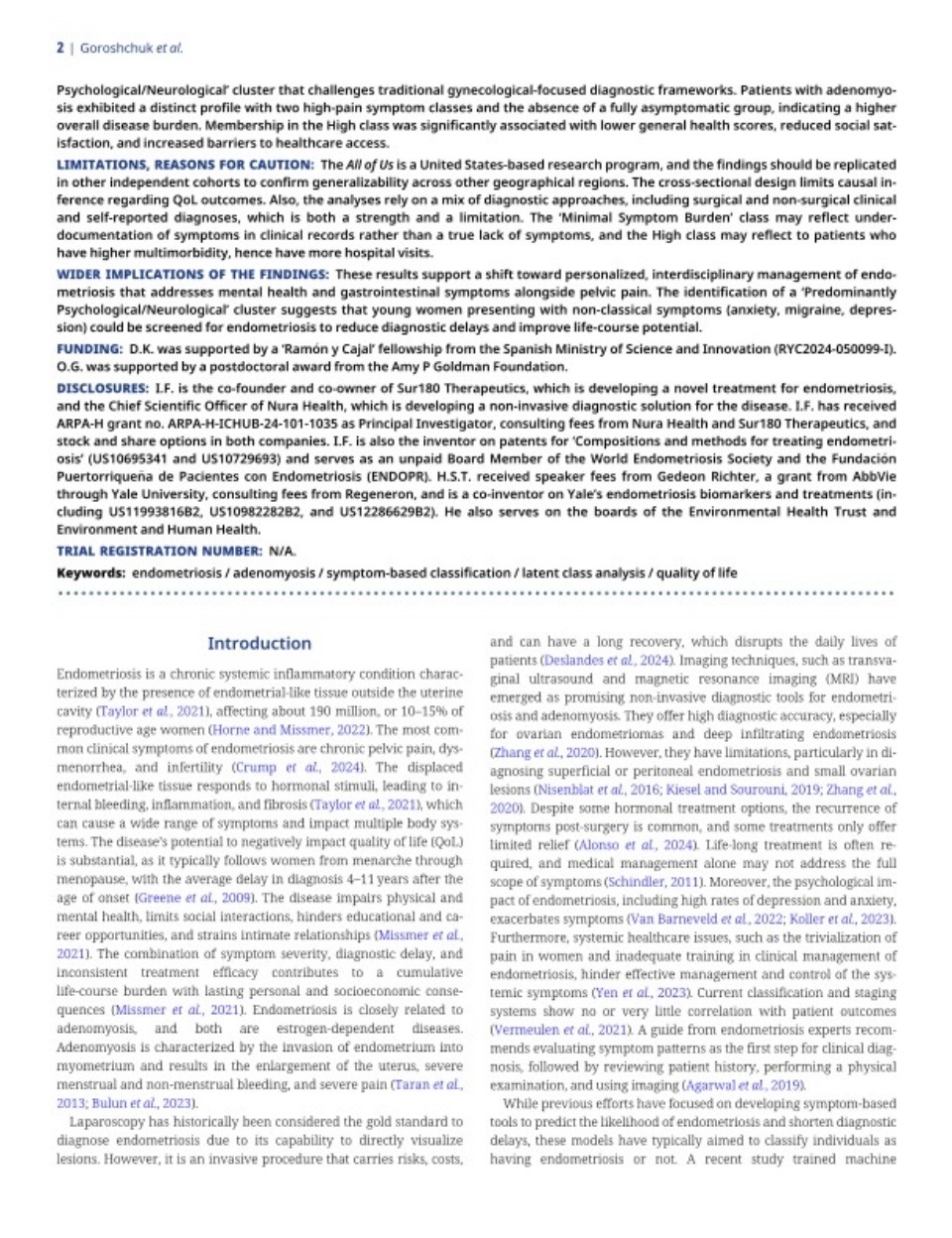
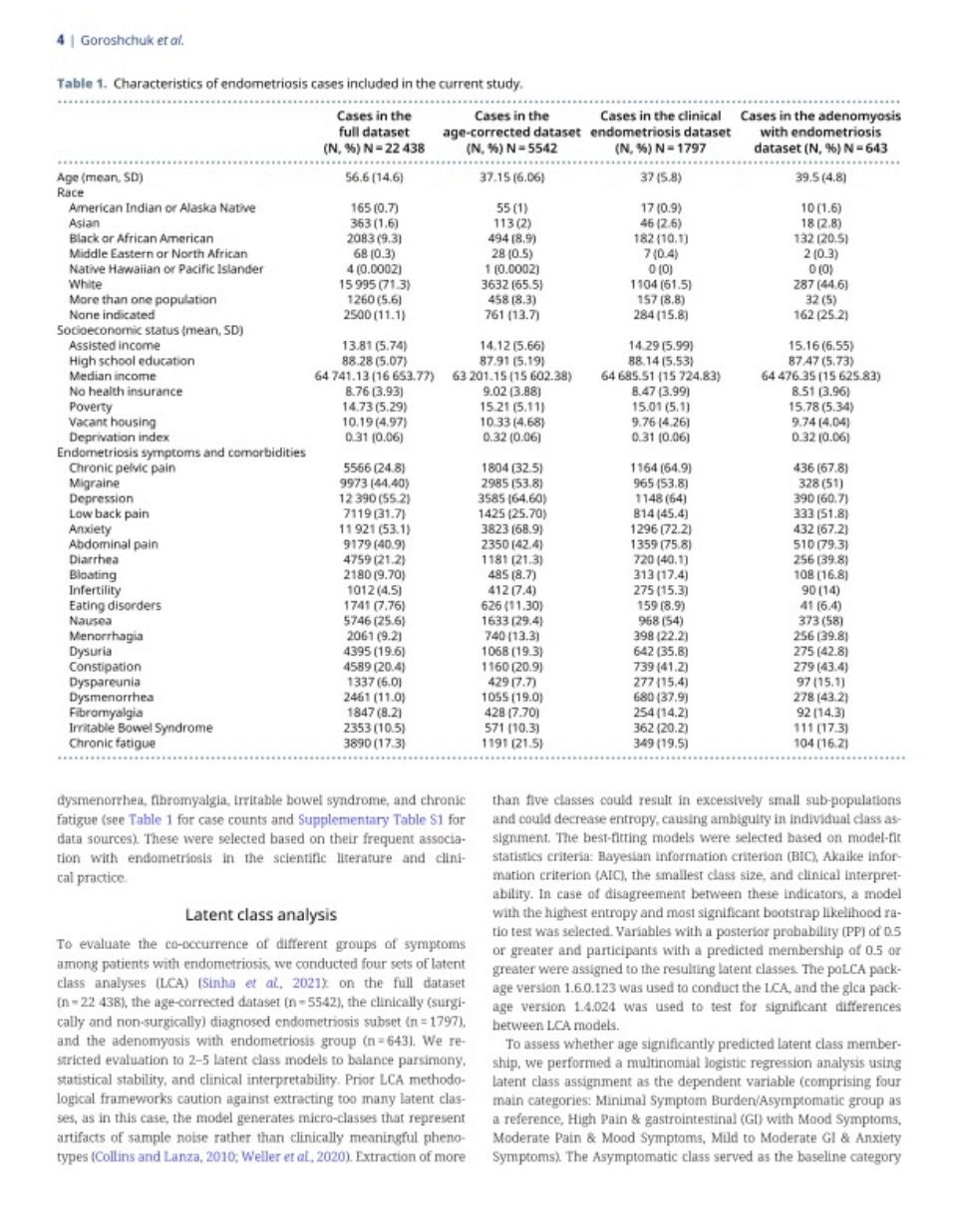
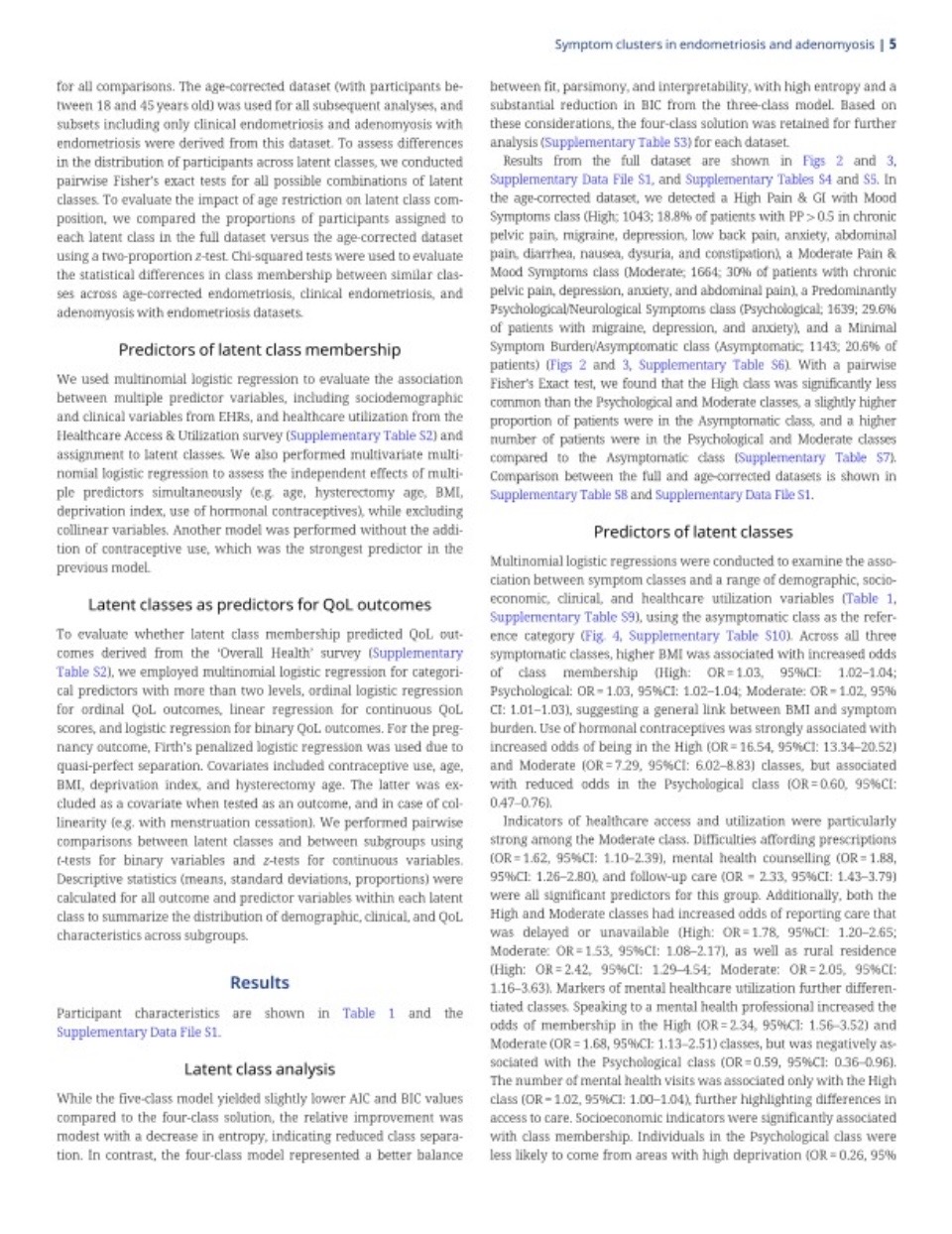
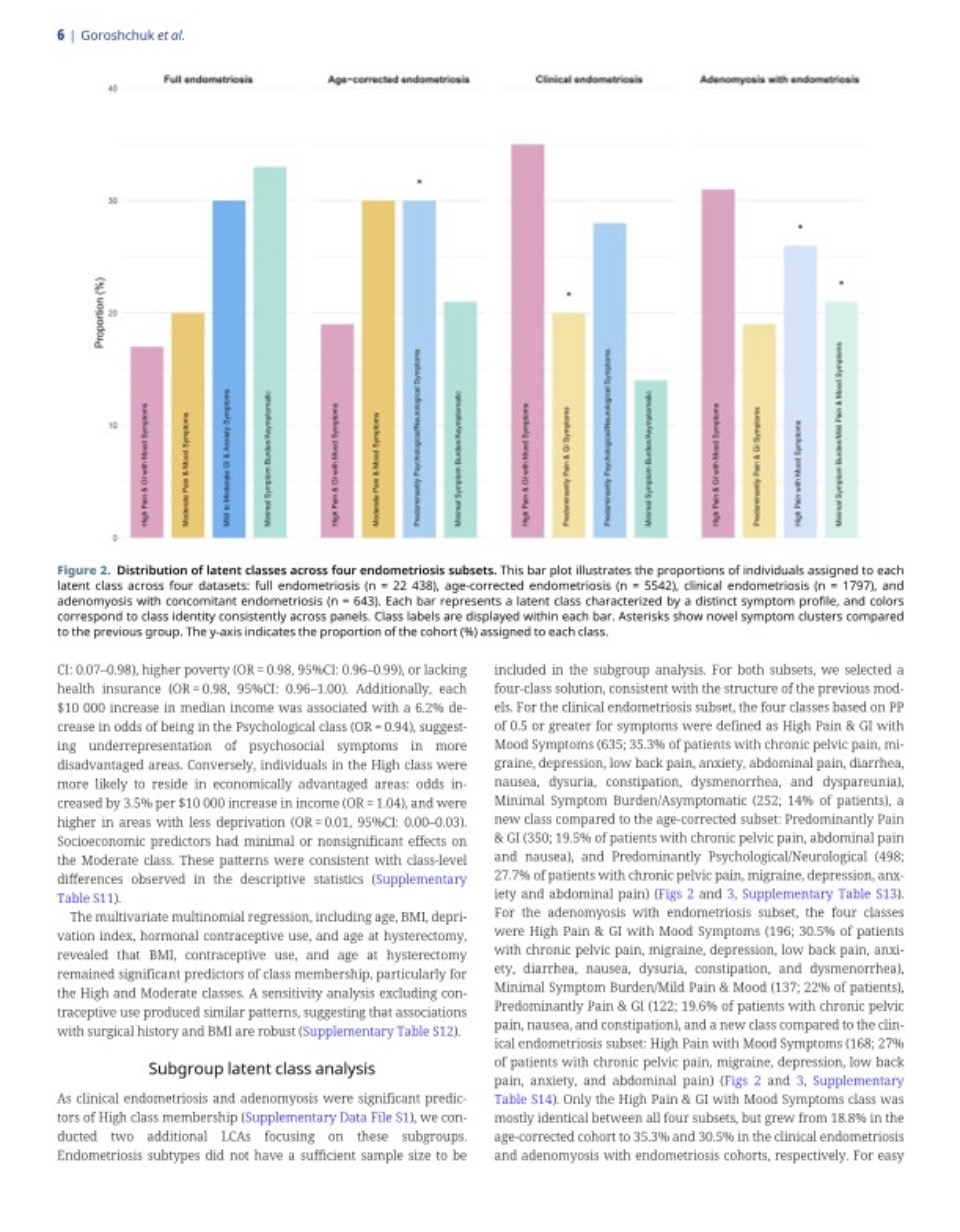
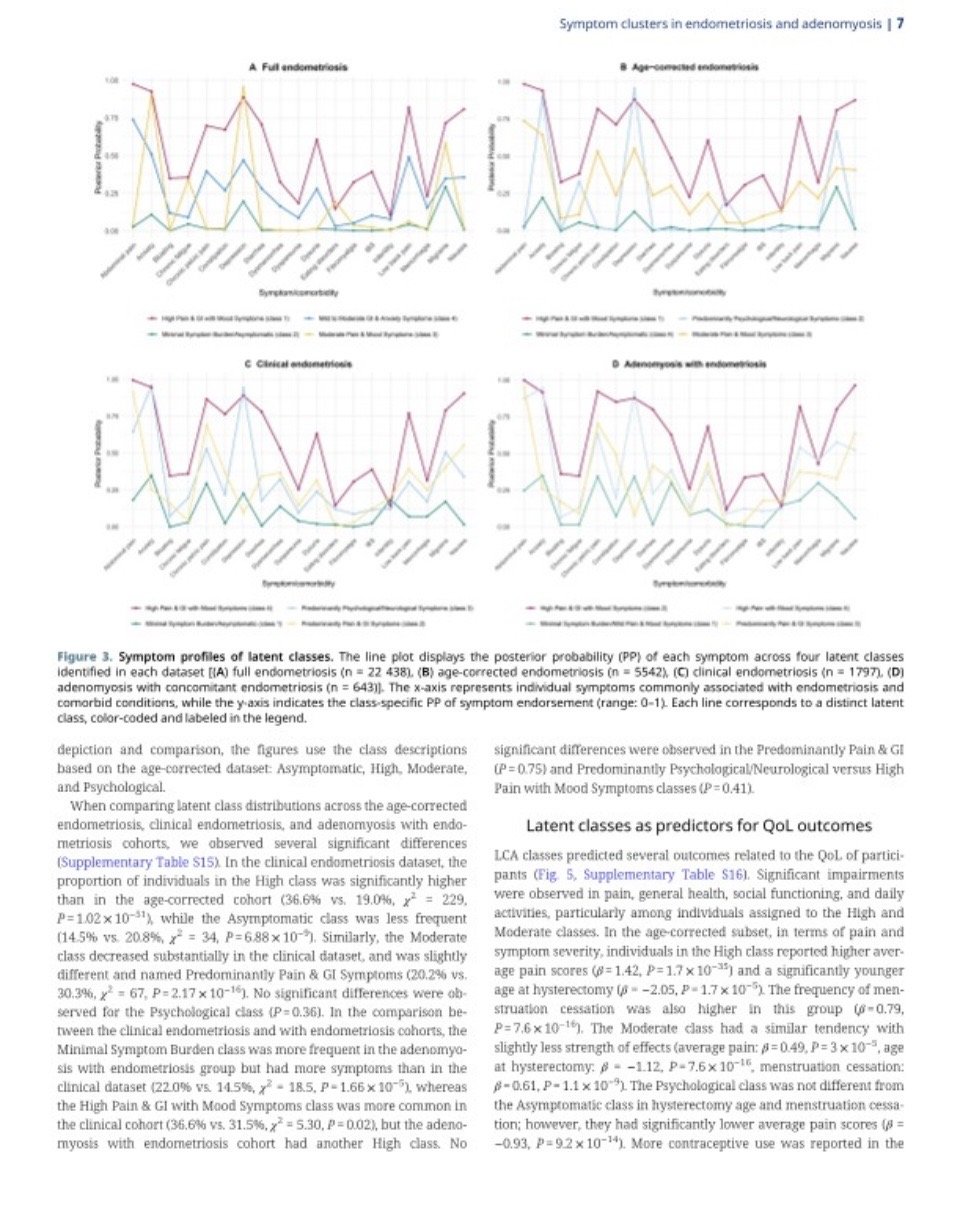
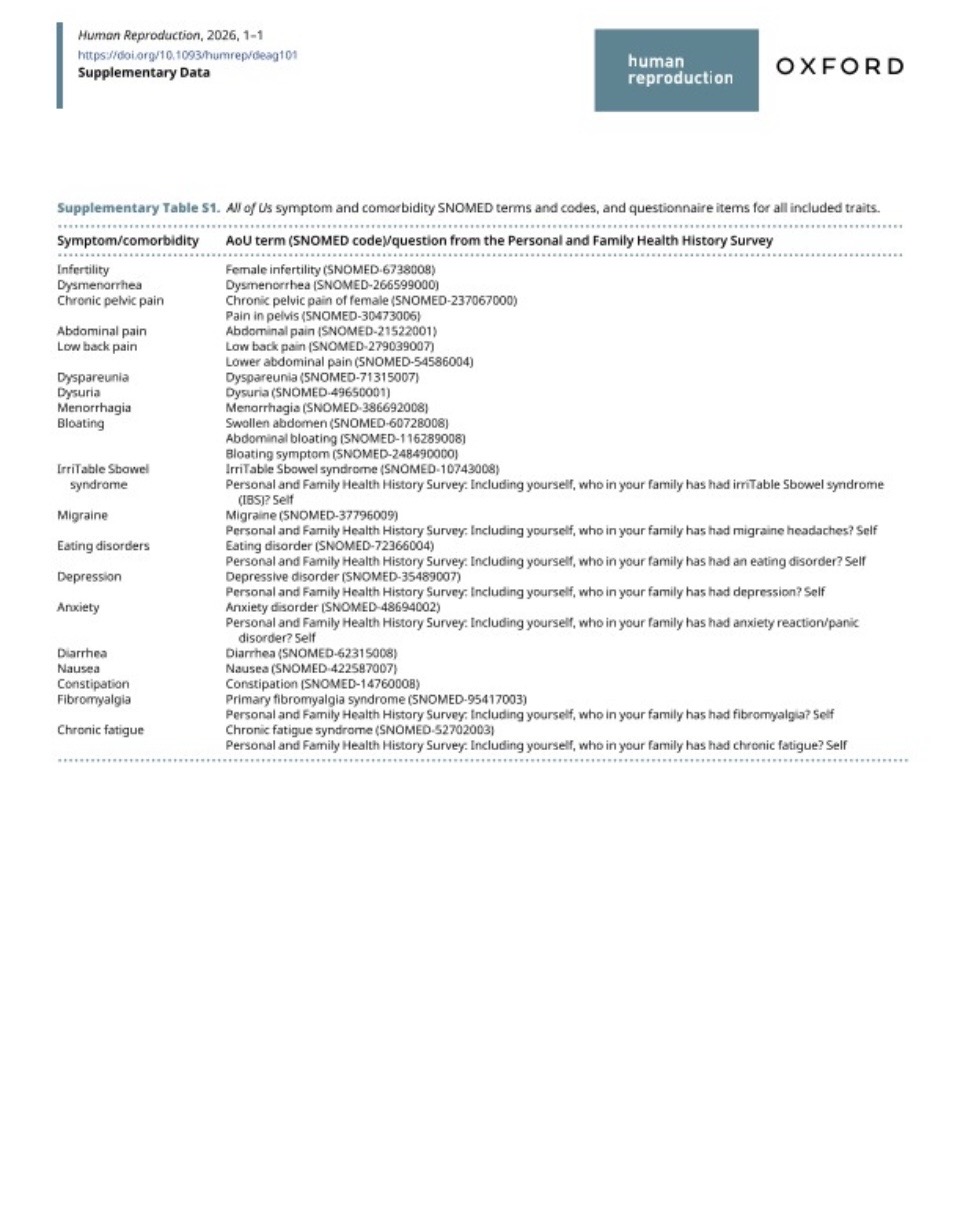
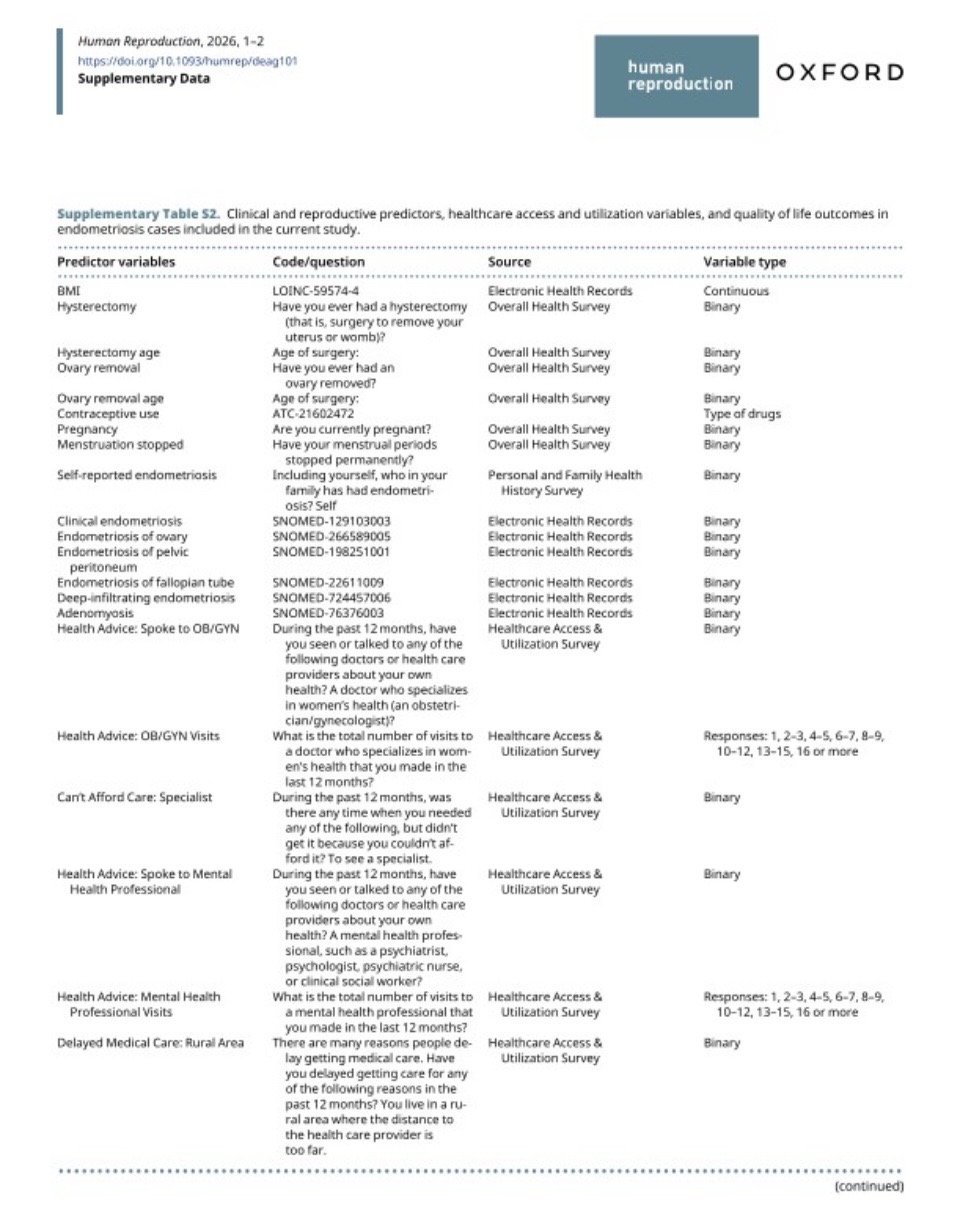
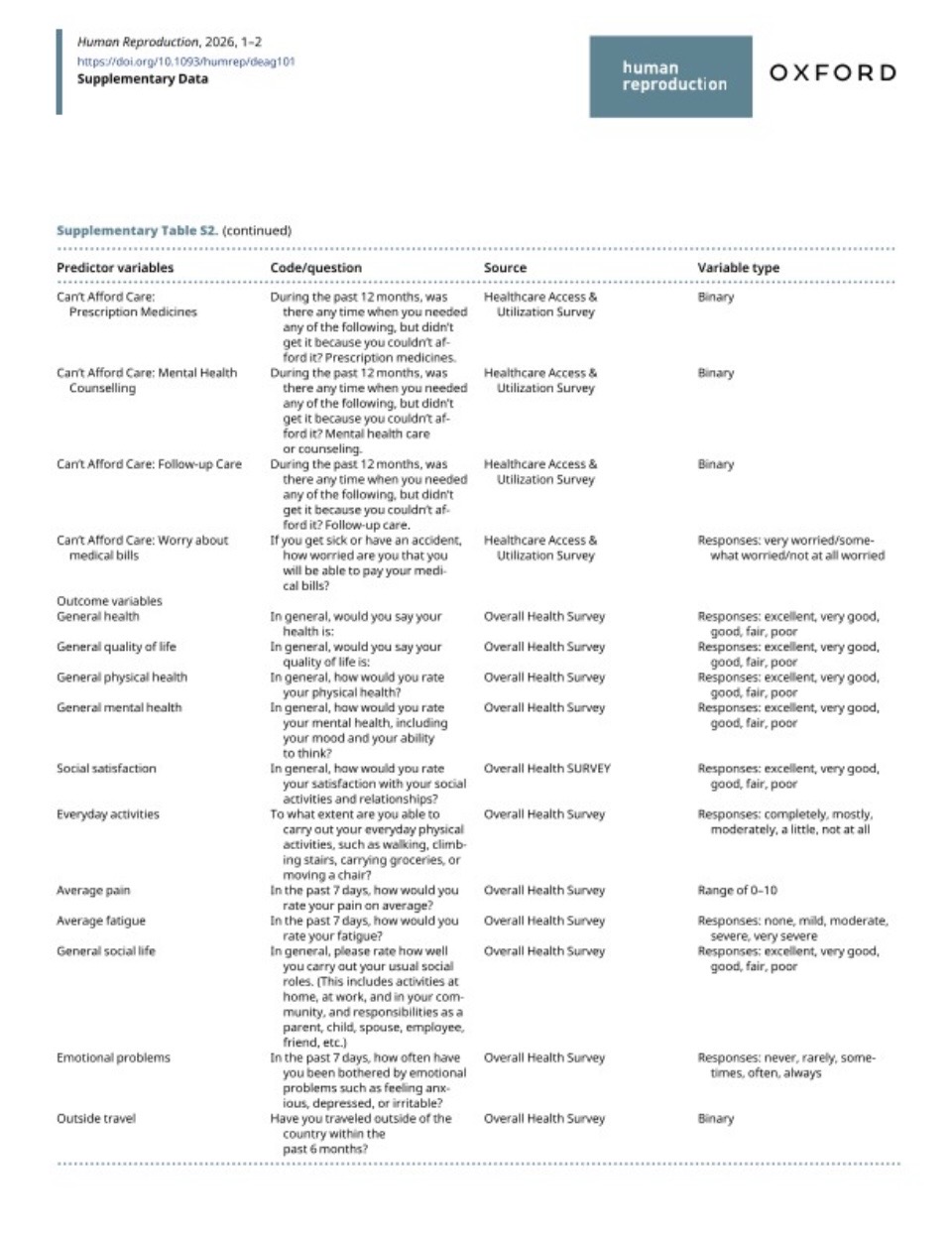
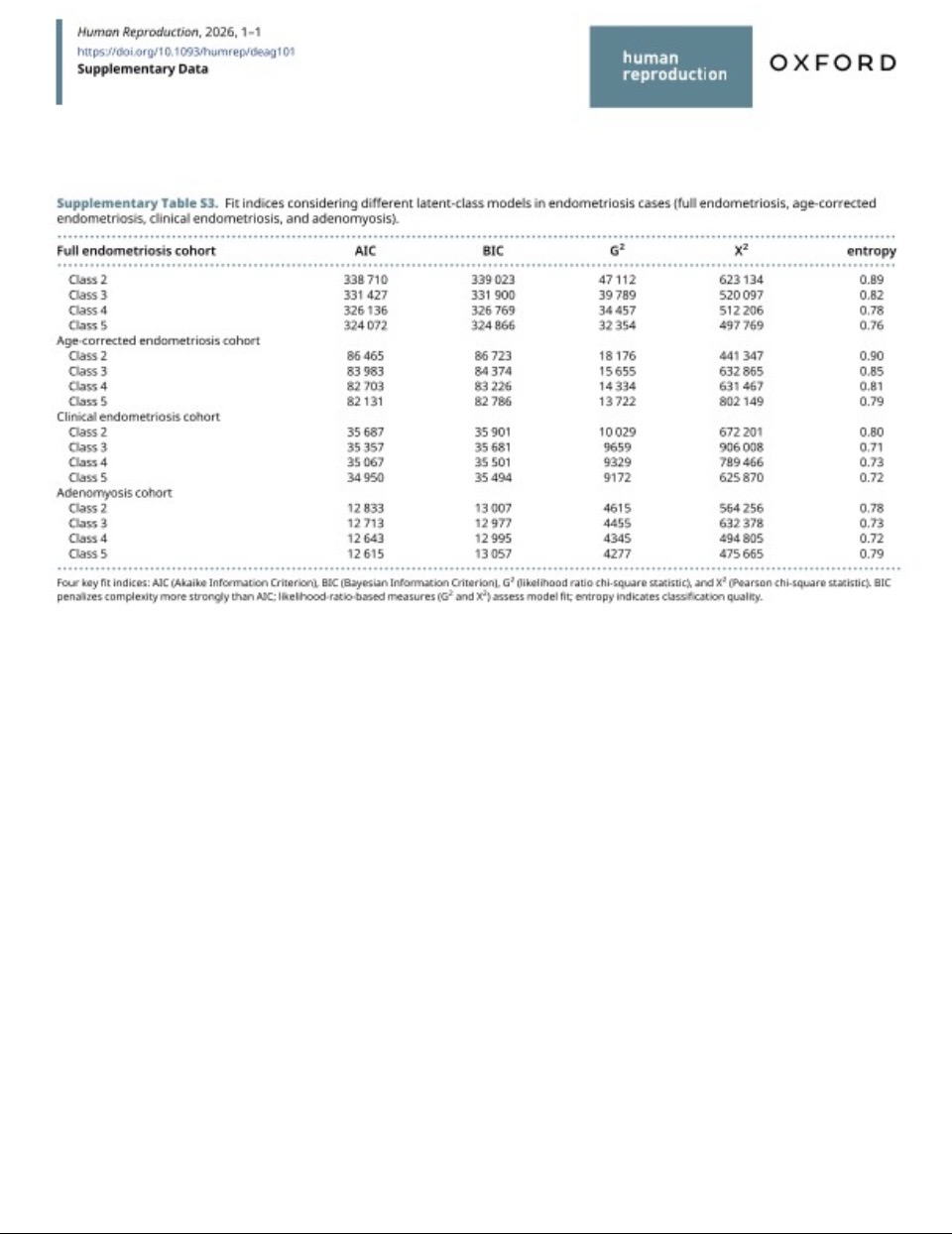
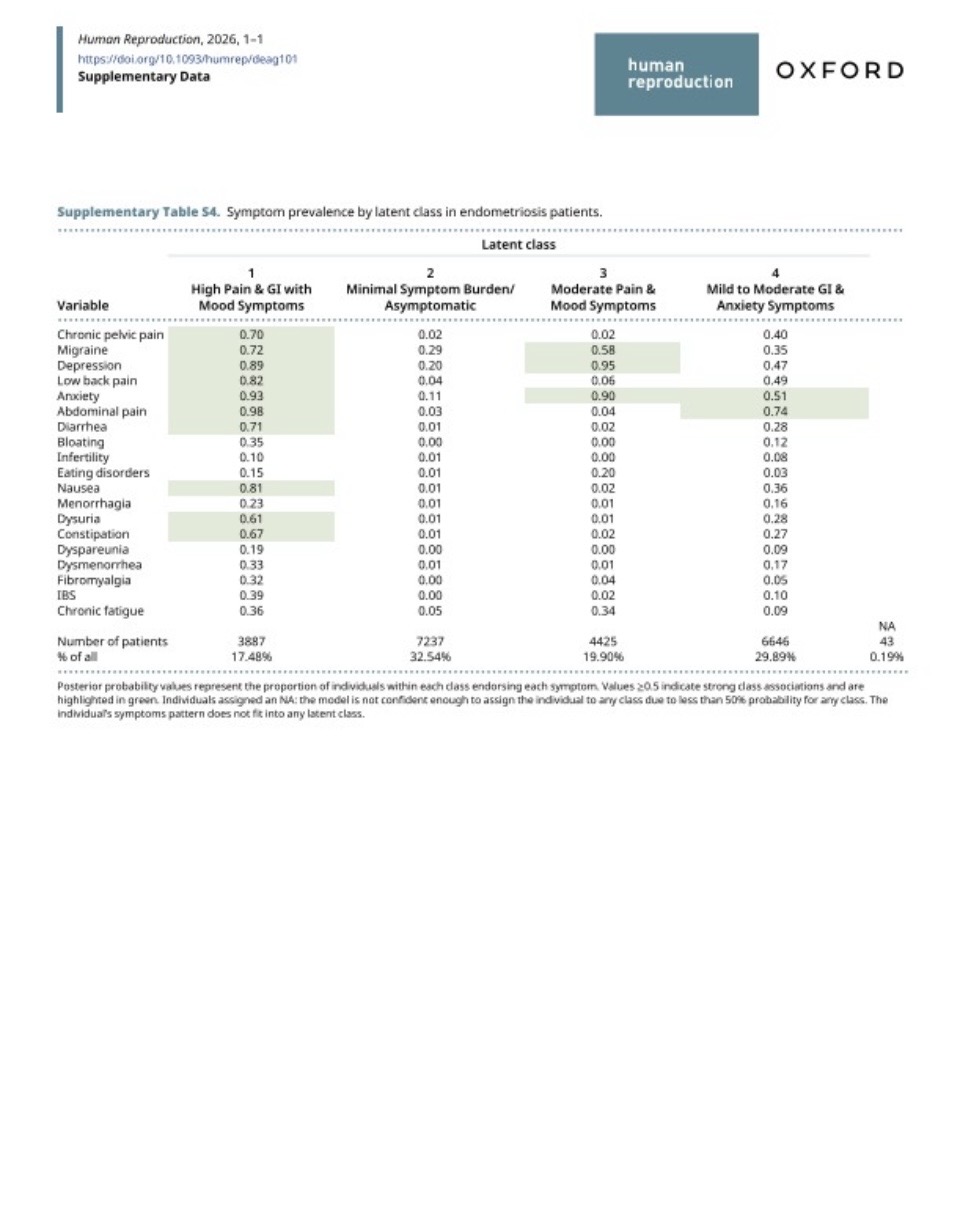
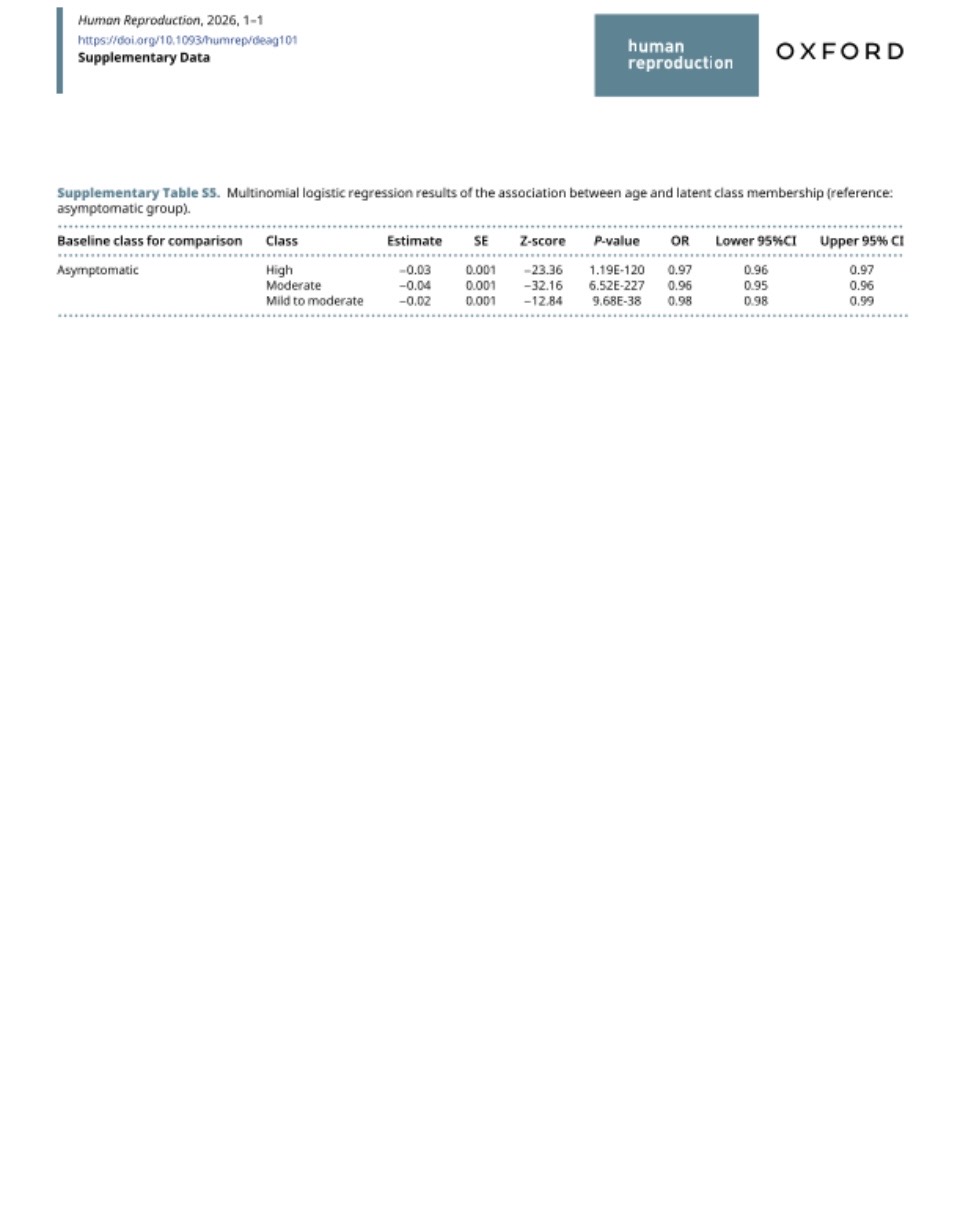
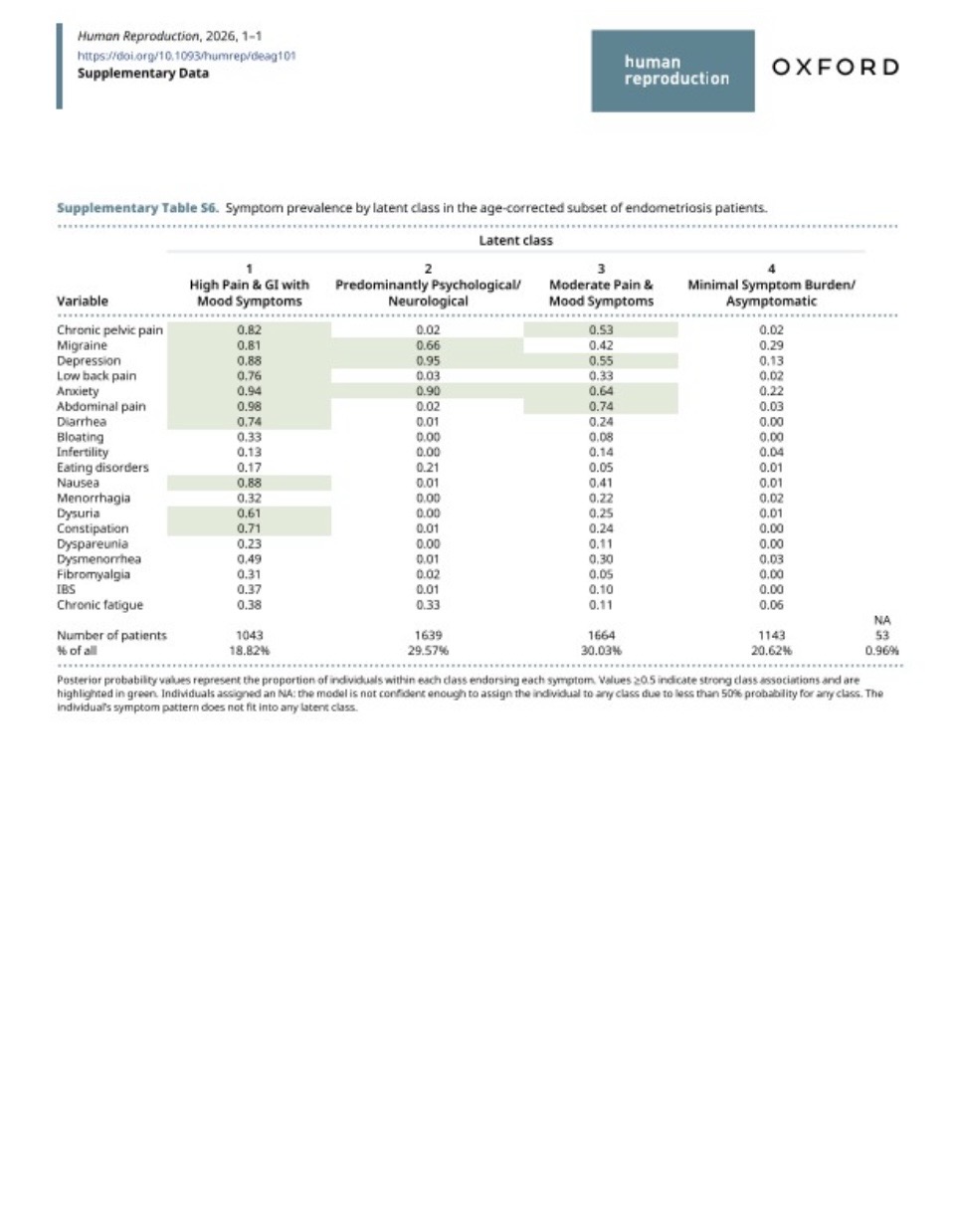
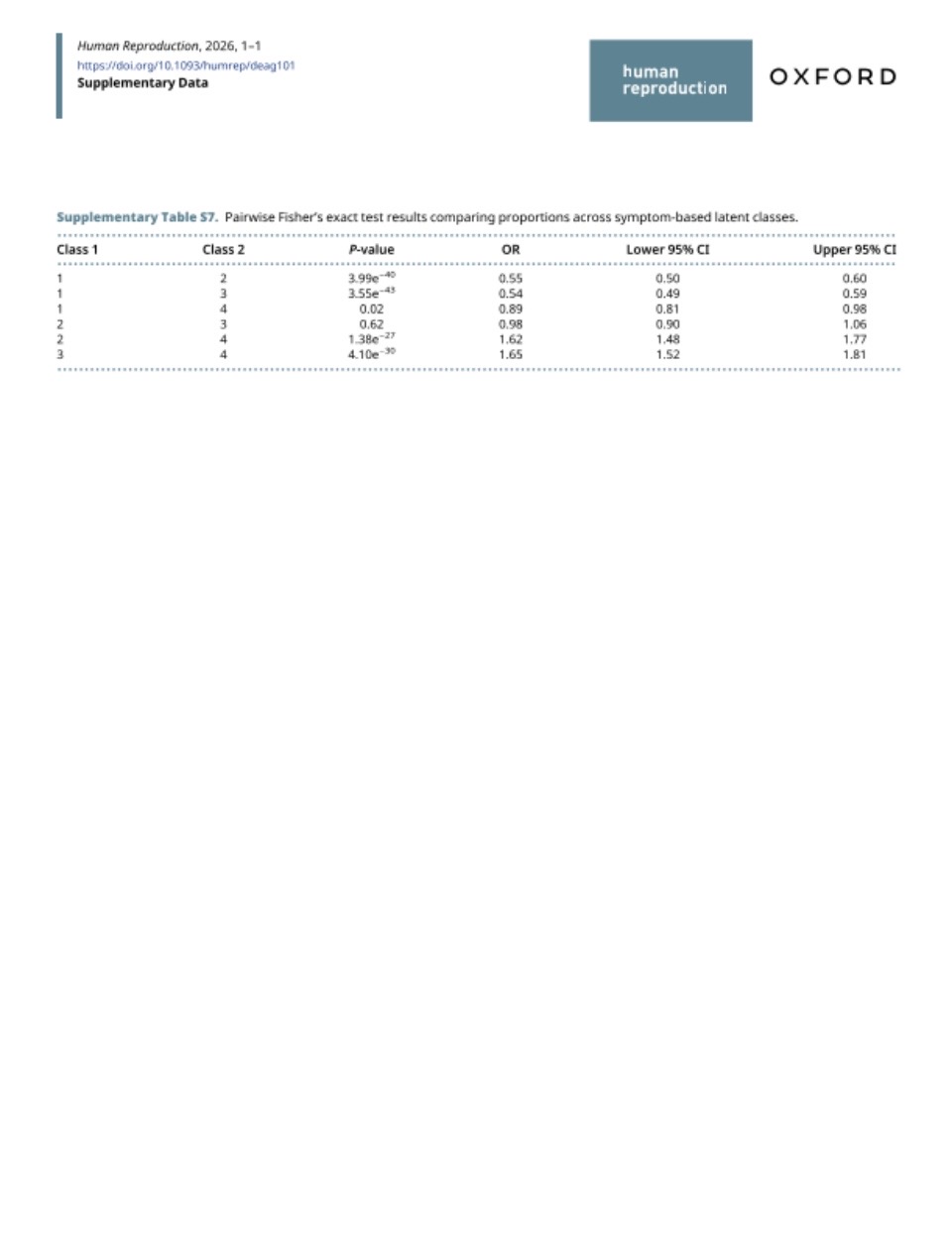
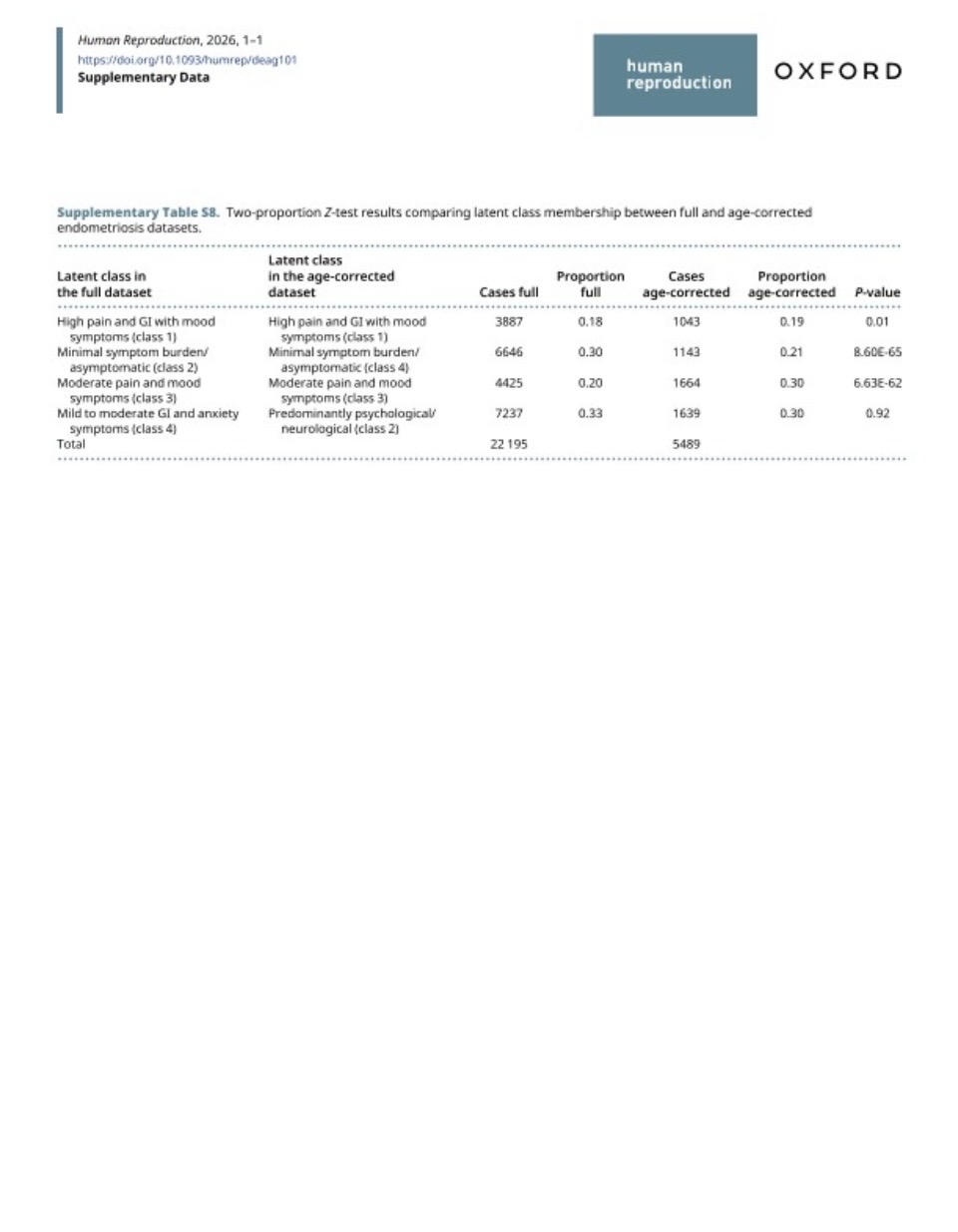
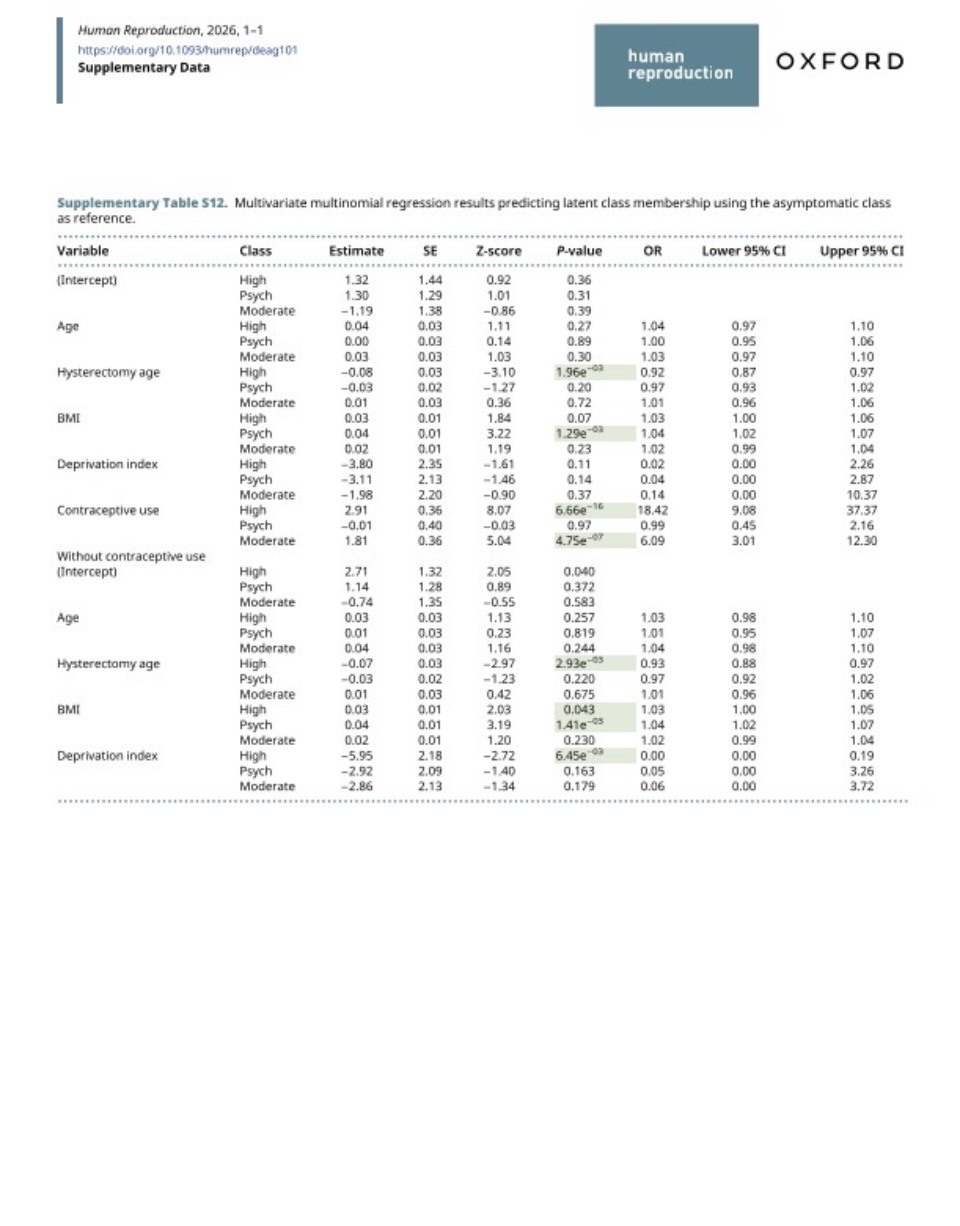
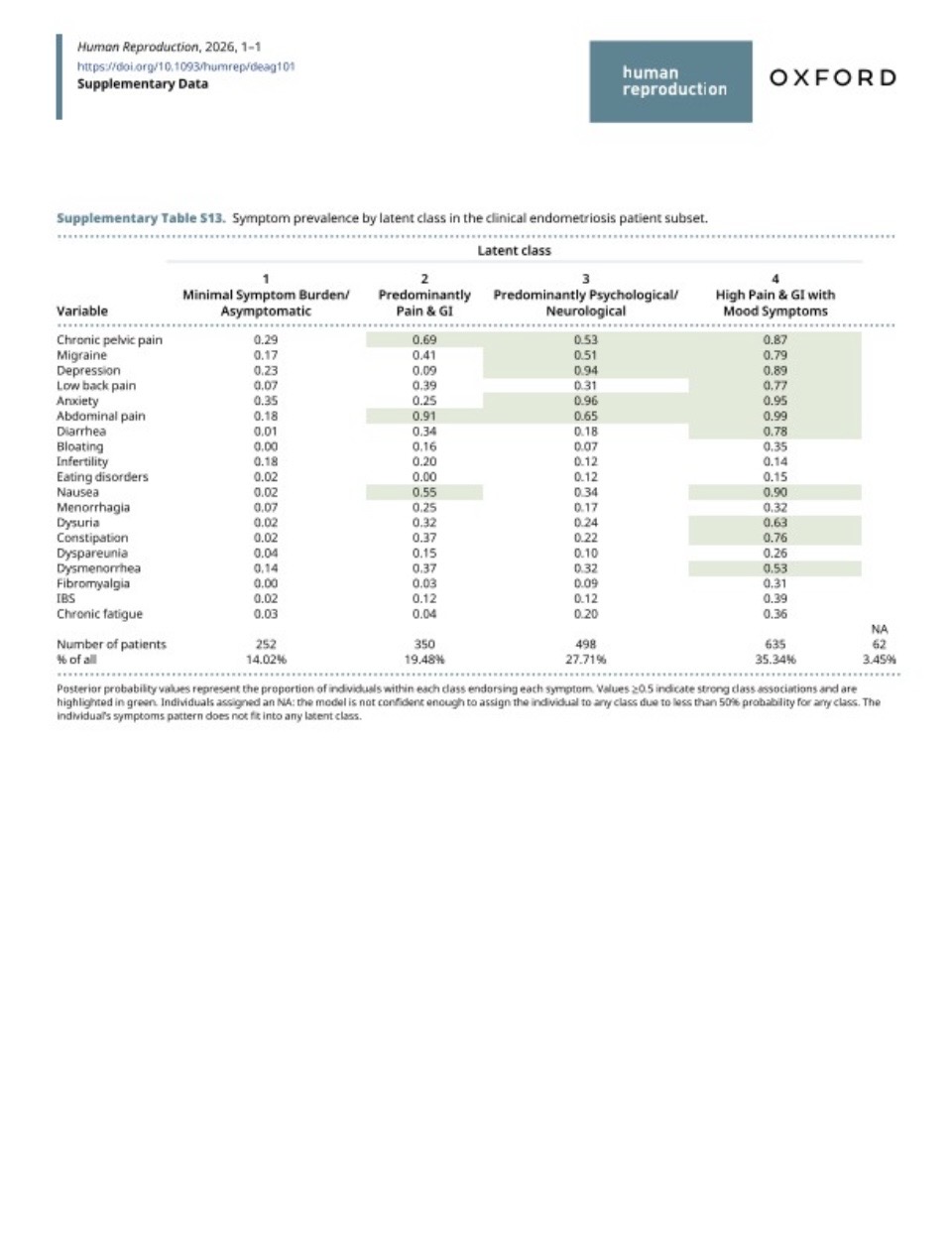
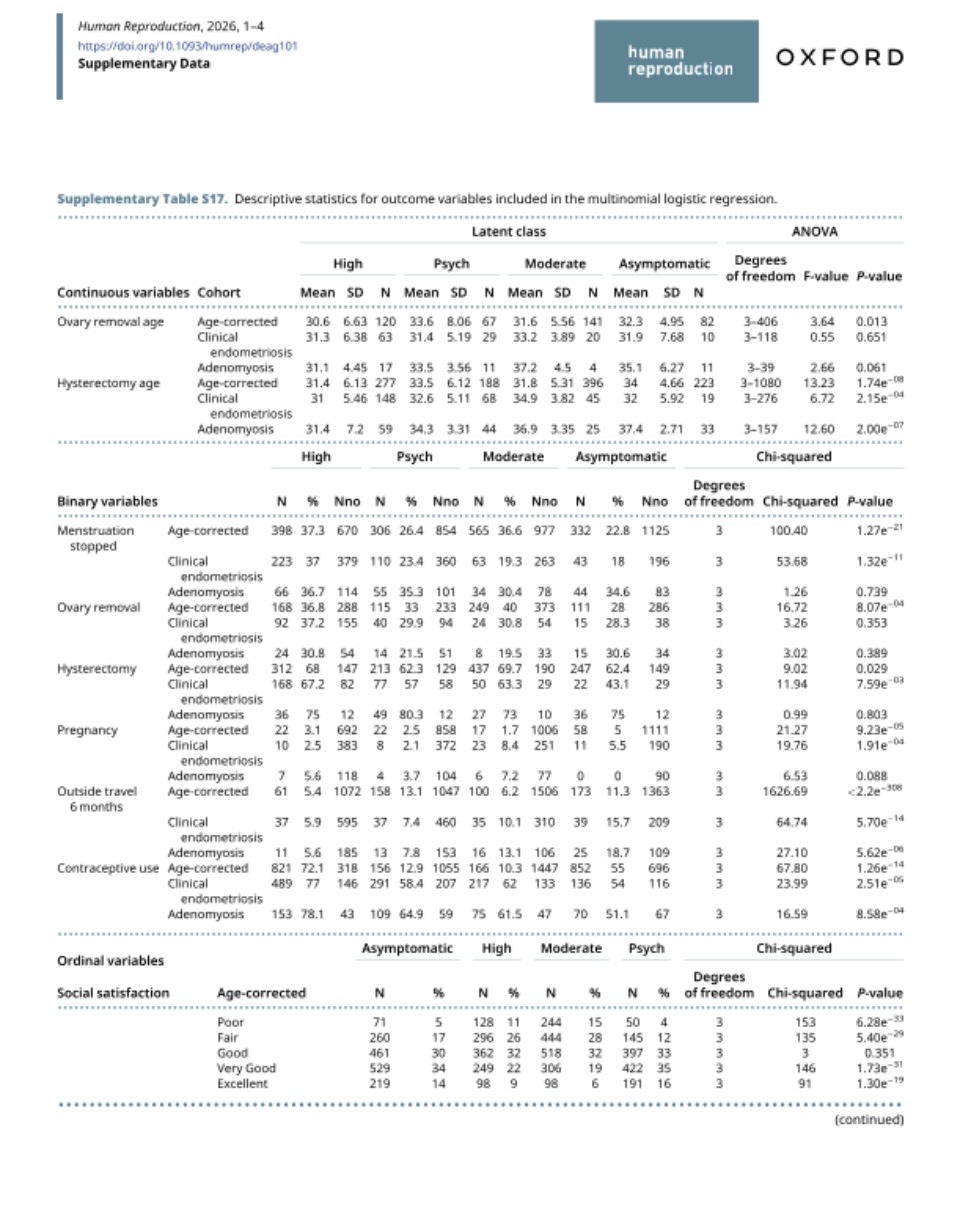
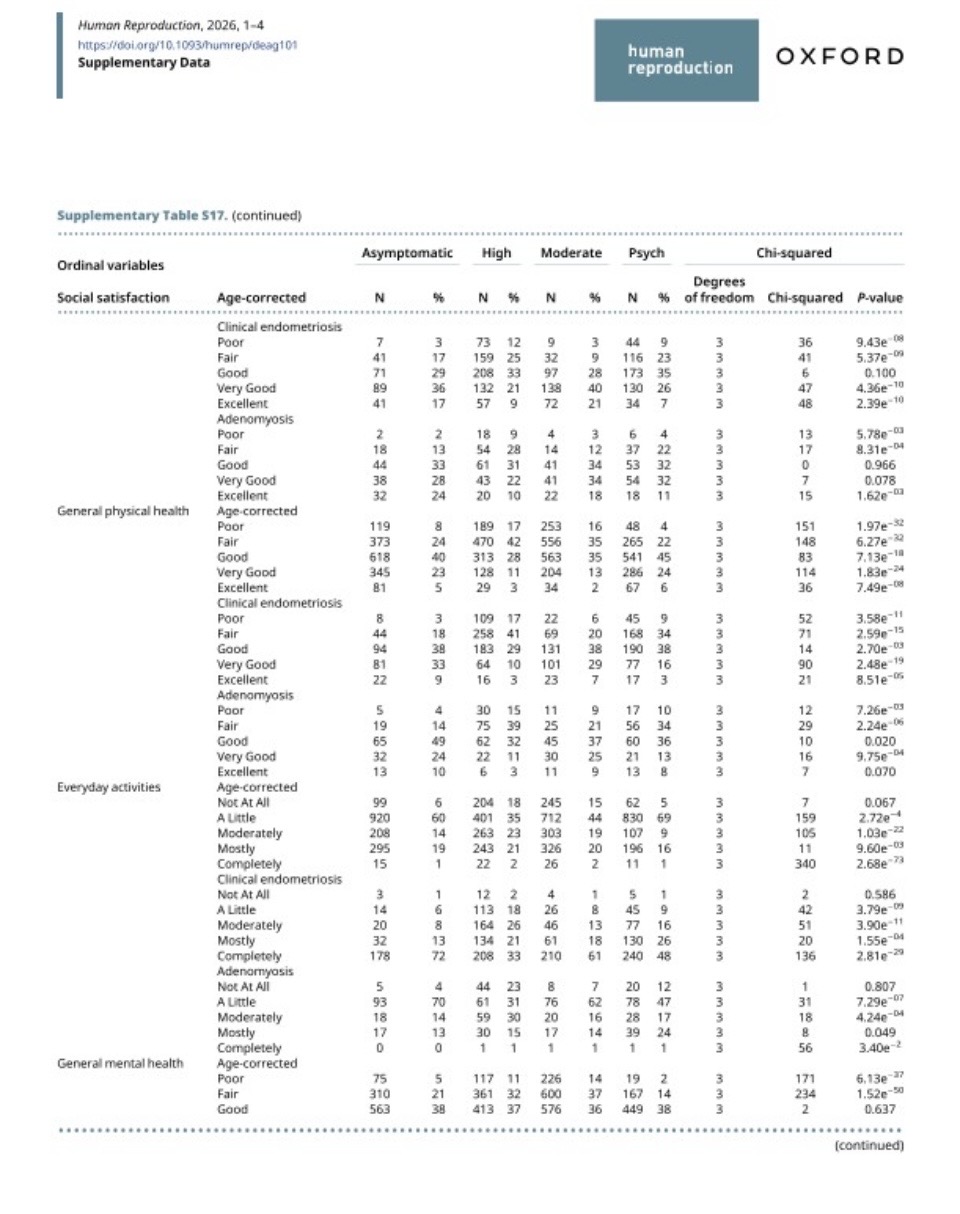
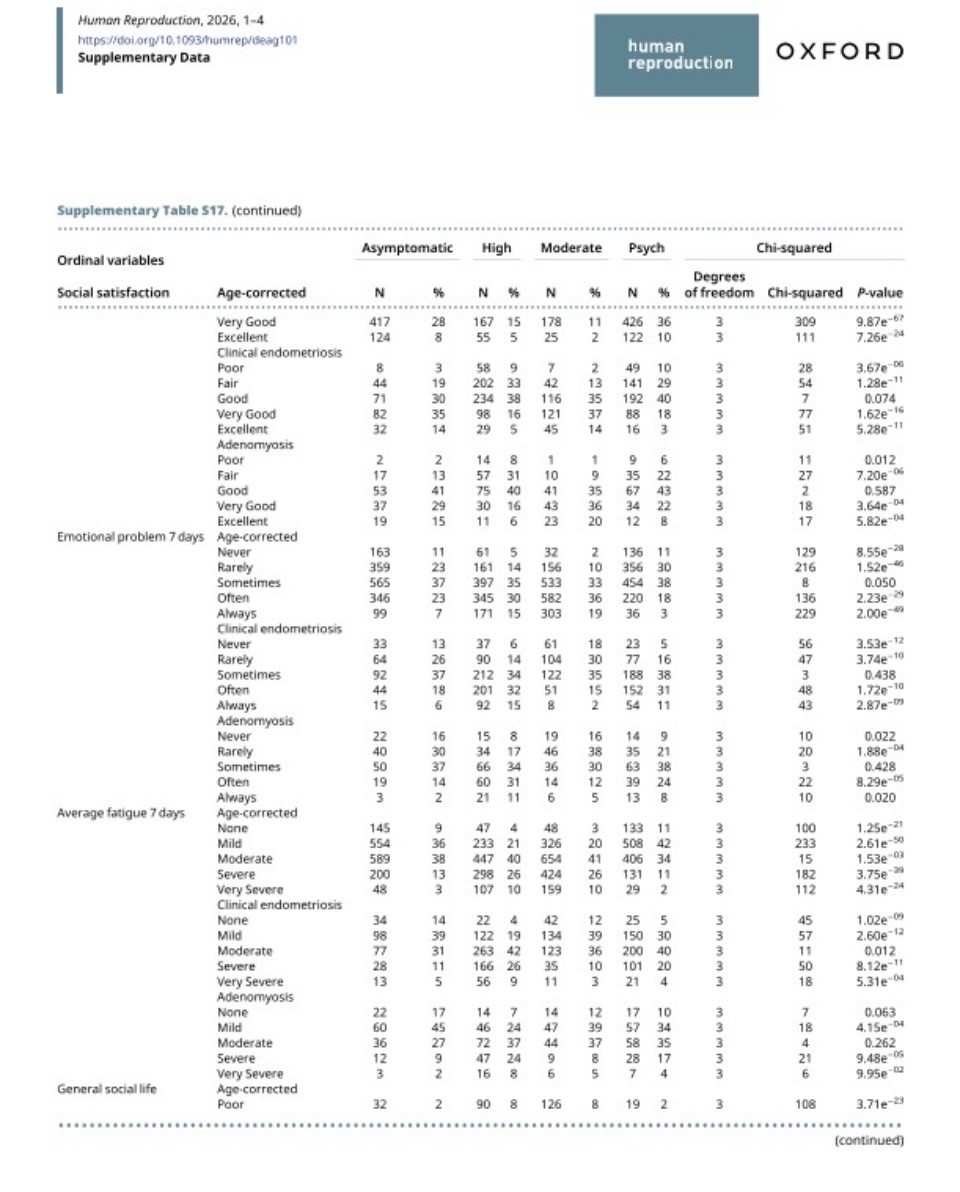
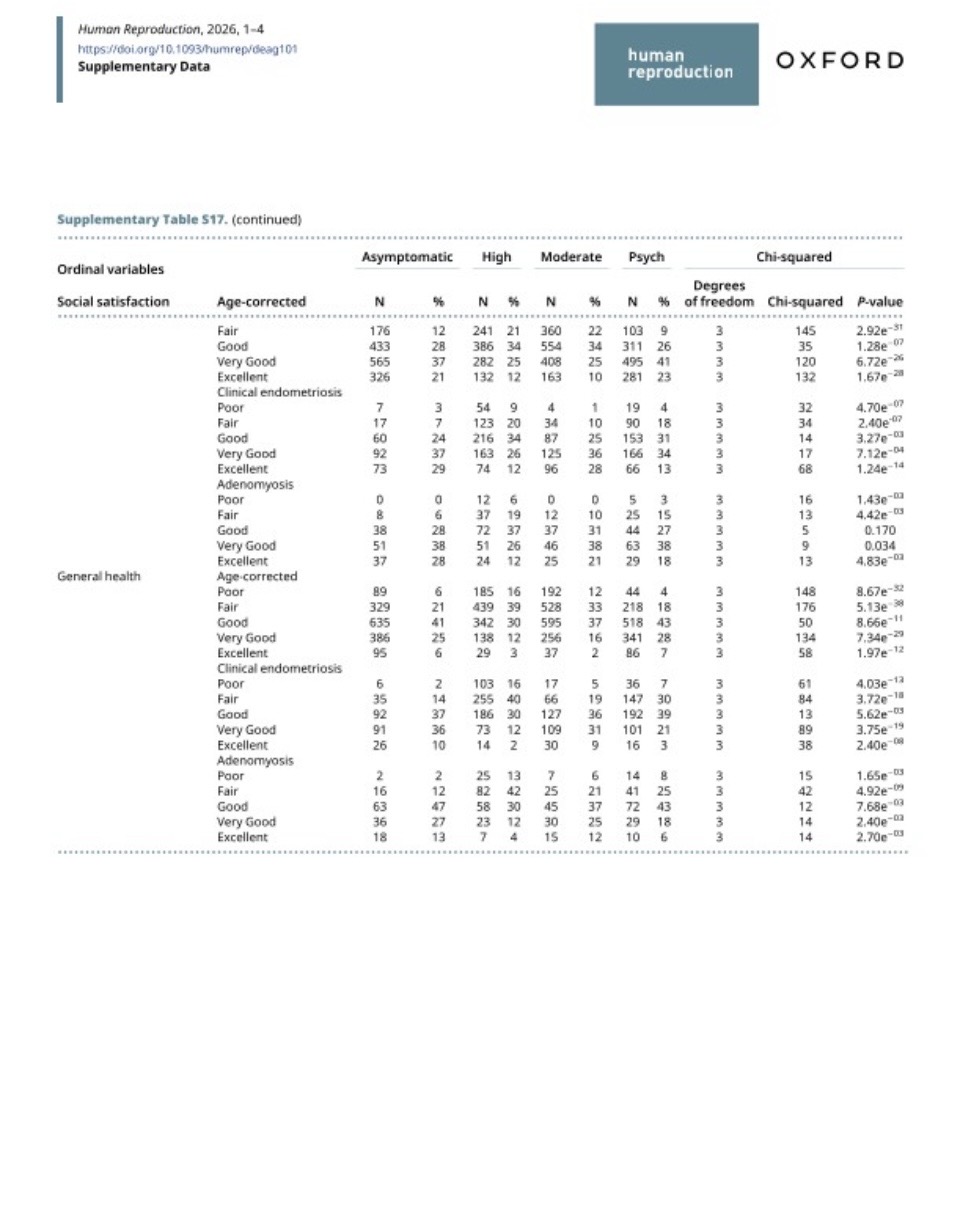
“I am so happy to share our new study in European Society of Human Reproduction and Embryology (ESHRE)’s journal Human Reproduction, led by Oksana and my first paper as senior author! Using data from more than 22,000 women with endometriosis from the All of Us Research Program, we identified four distinct symptom profiles in latent class analyses that show how much more this disease is than pelvic pain.
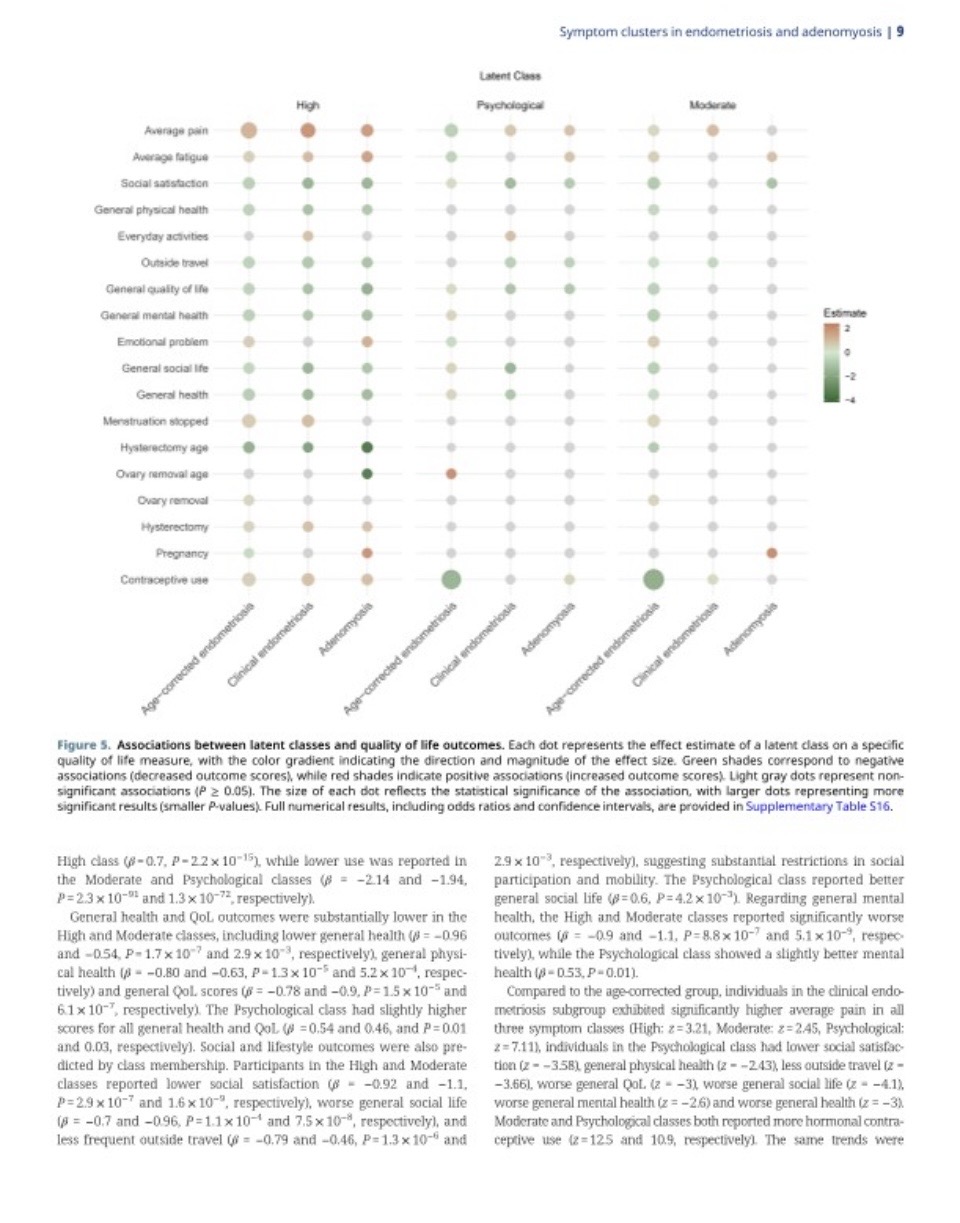
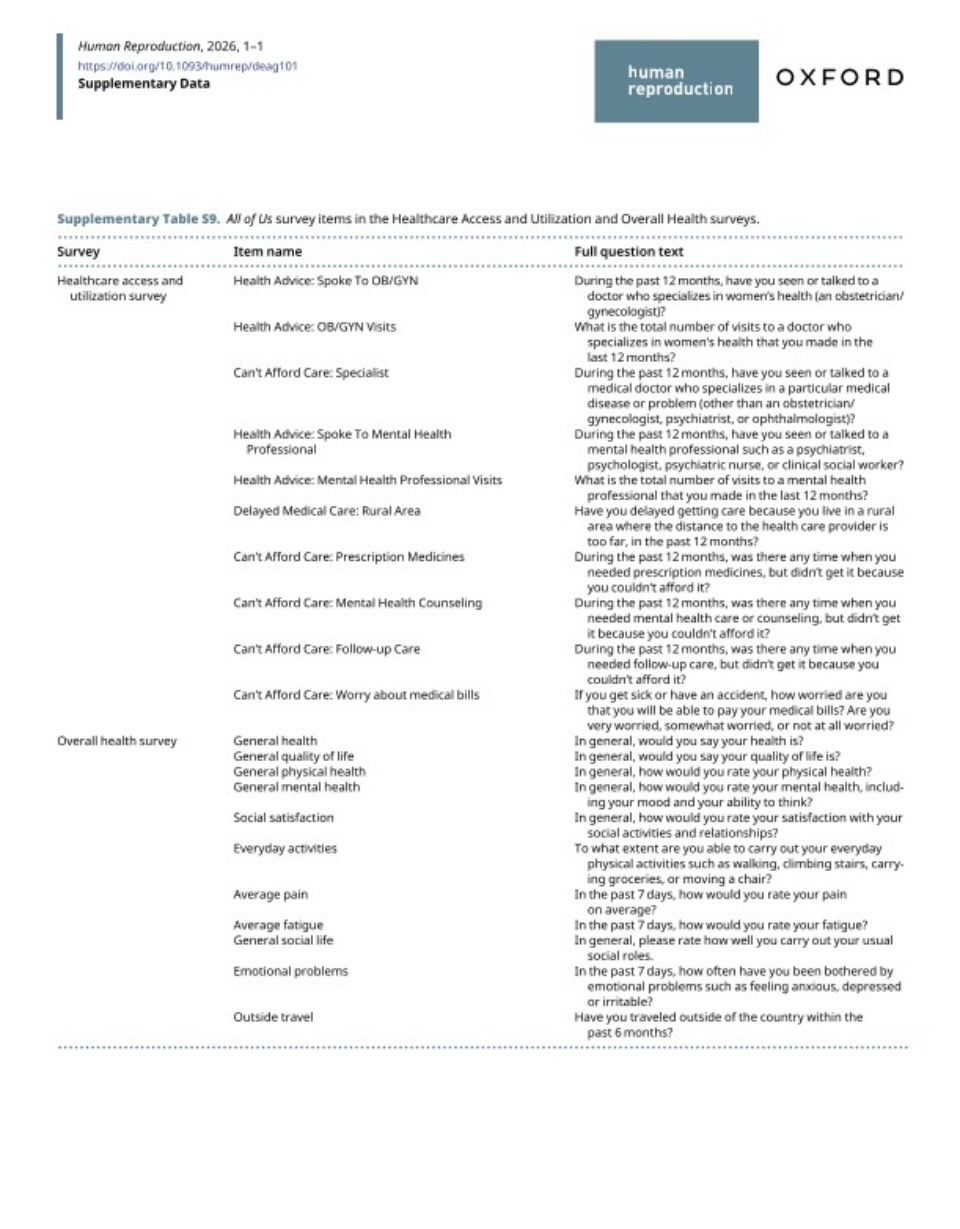
In the premenopausal cohort of women aged 18-45, 18.8% of patients fell into the most severe symptom pattern, combining pain, digestive symptoms, and impaired mental health at the same time. This group also had worse quality of life across physical health, mental health, social life, daily activities, and access to care.
We also identified a large subgroup, 29.6% of women, with a predominantly neurological and psychological symptom pattern, including migraine, anxiety, and depression. Another 30% fell into a moderate pain and mood symptoms group, while 20.6% had minimal symptom burden. Mood-related and neurological symptoms should not be viewed in isolation: in many women, they appear alongside physical symptoms and may reflect the same underlying disease burden rather than separate problems. Furthermore, young women with endometriosis are often diagnosed with psychological conditions before receiving their endometriosis diagnosis, reflecting the well-known phenomenon of being told ‘it is all in your head’.
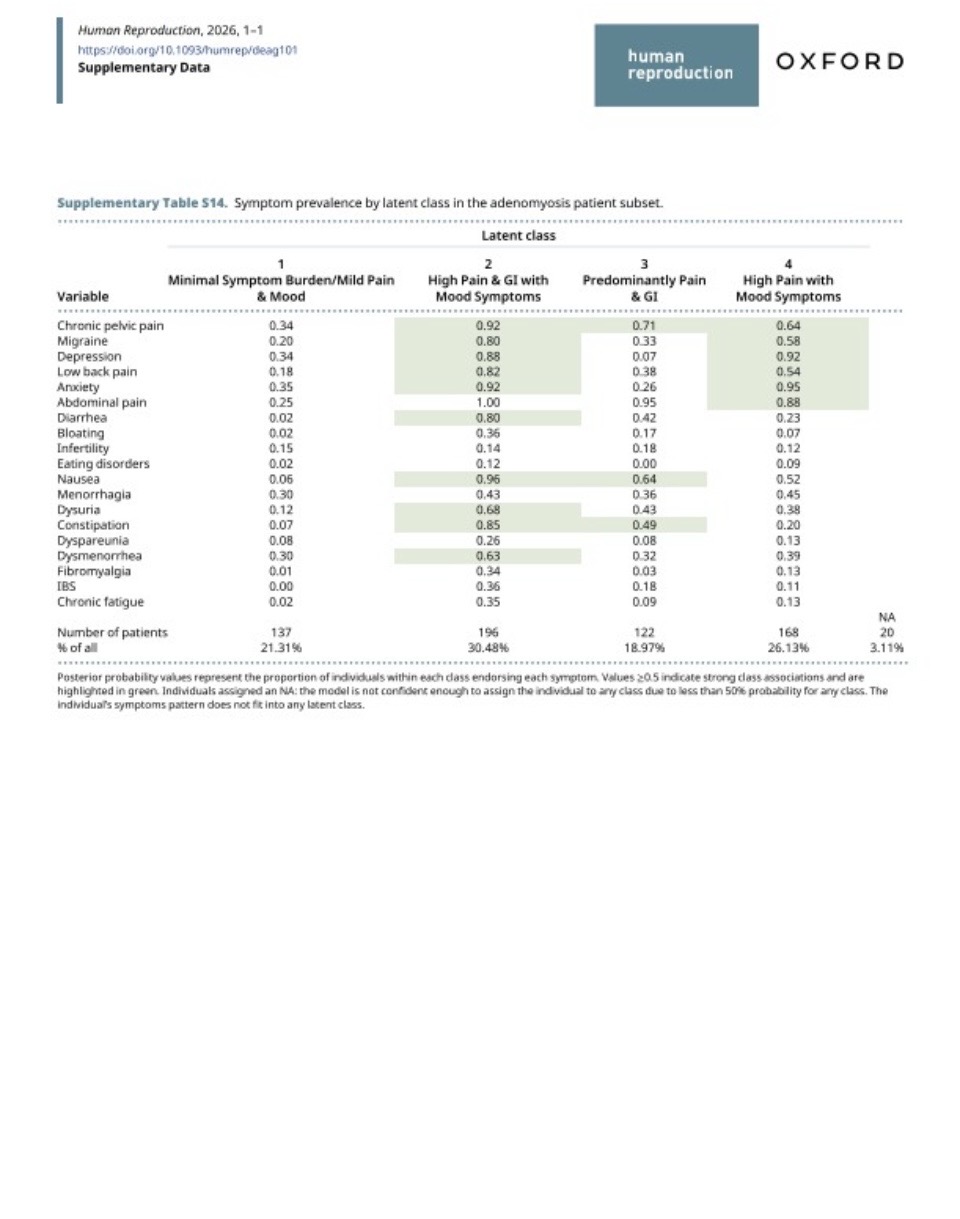
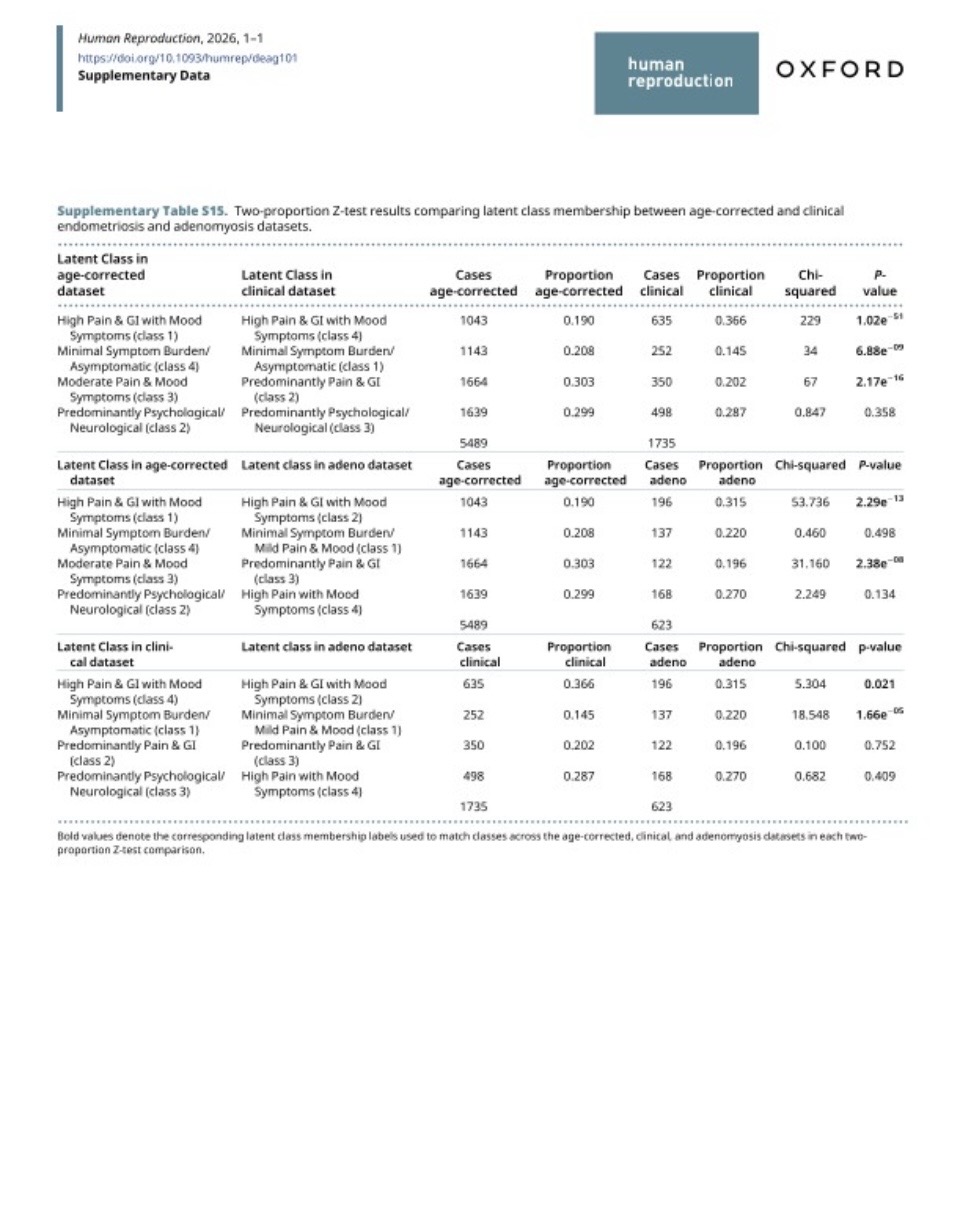
Women with concomitant adenomyosis had an even more severe clinical profile: 57.5% fell into the two high-symptom classes, and there was no fully asymptomatic group in this subset.
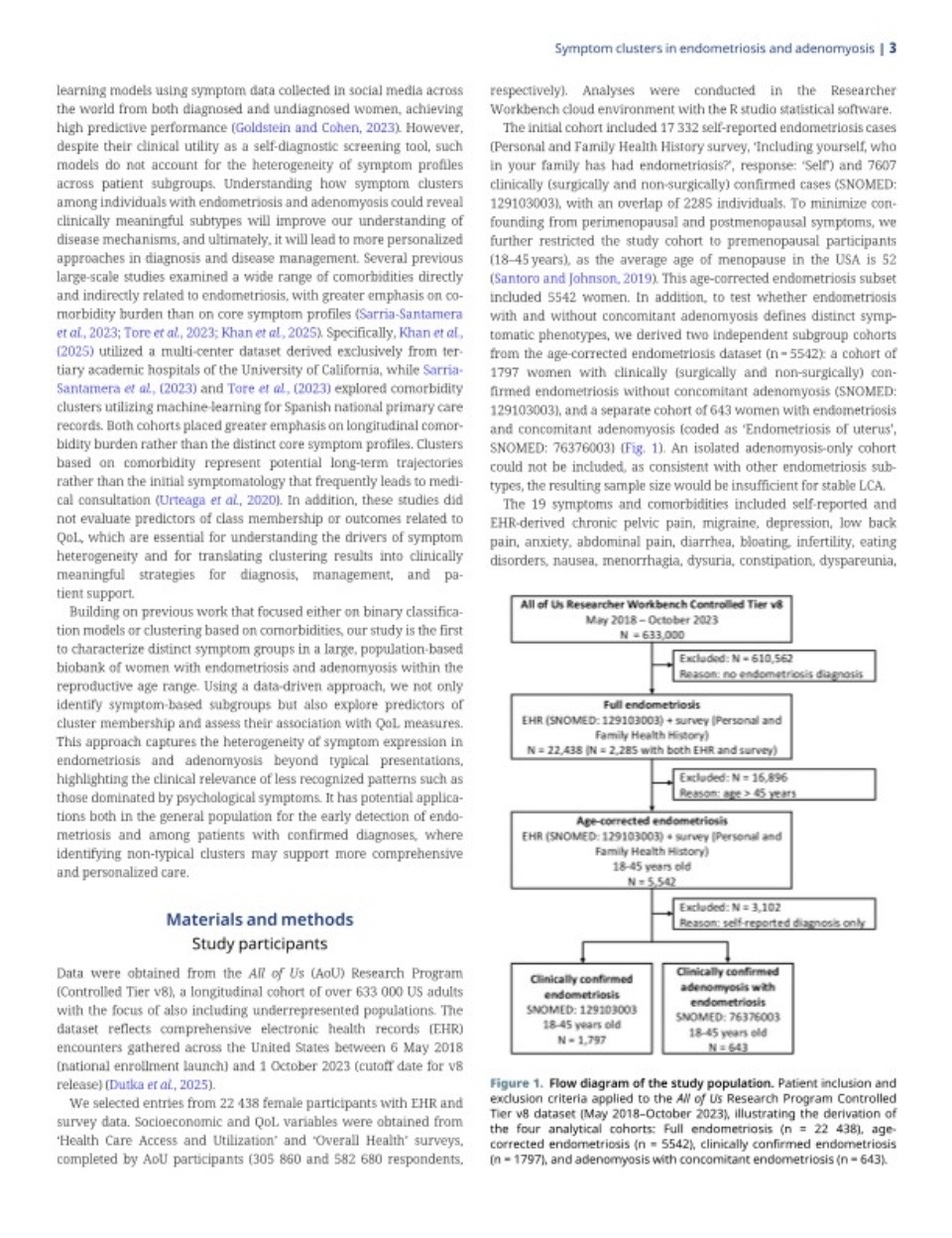
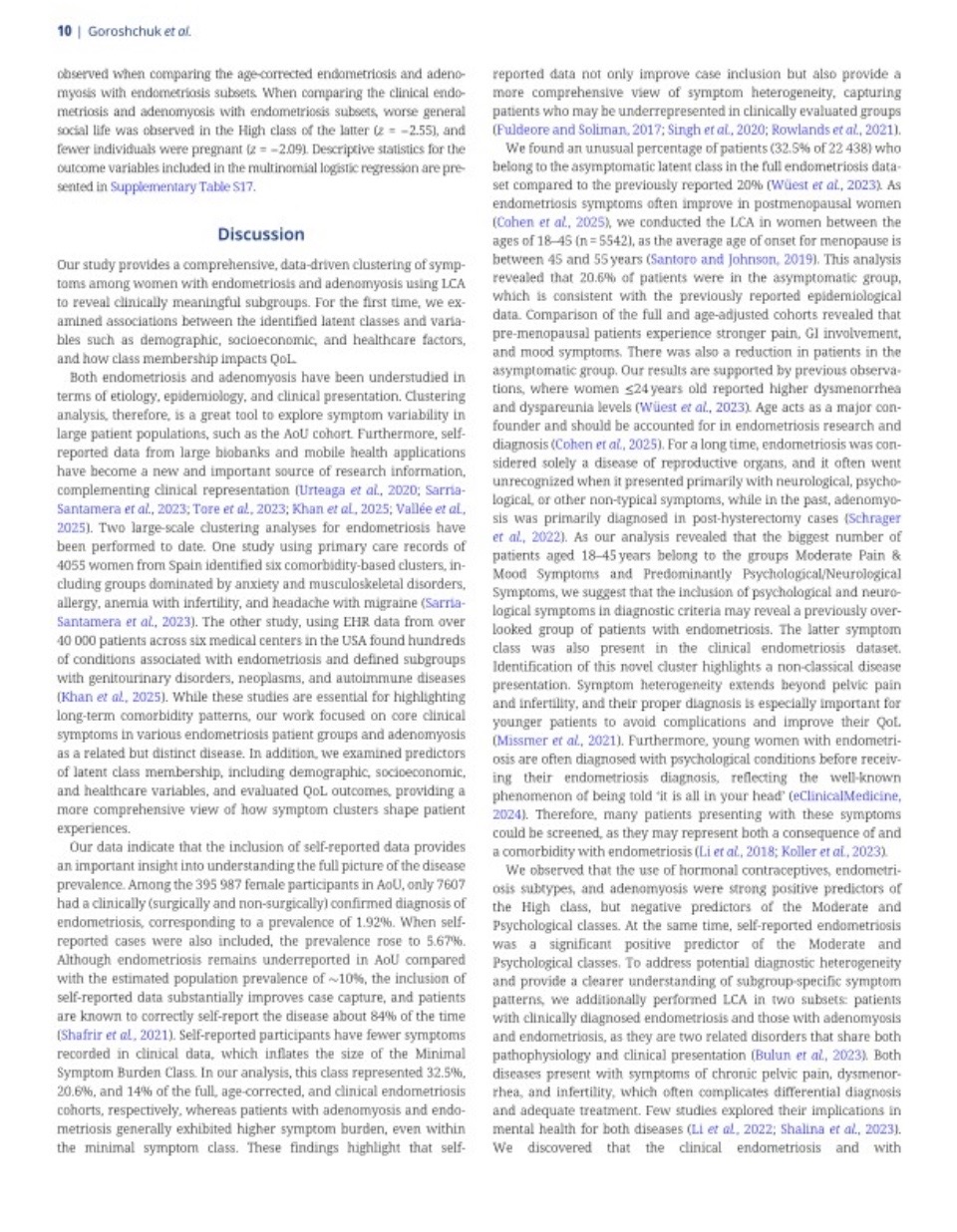
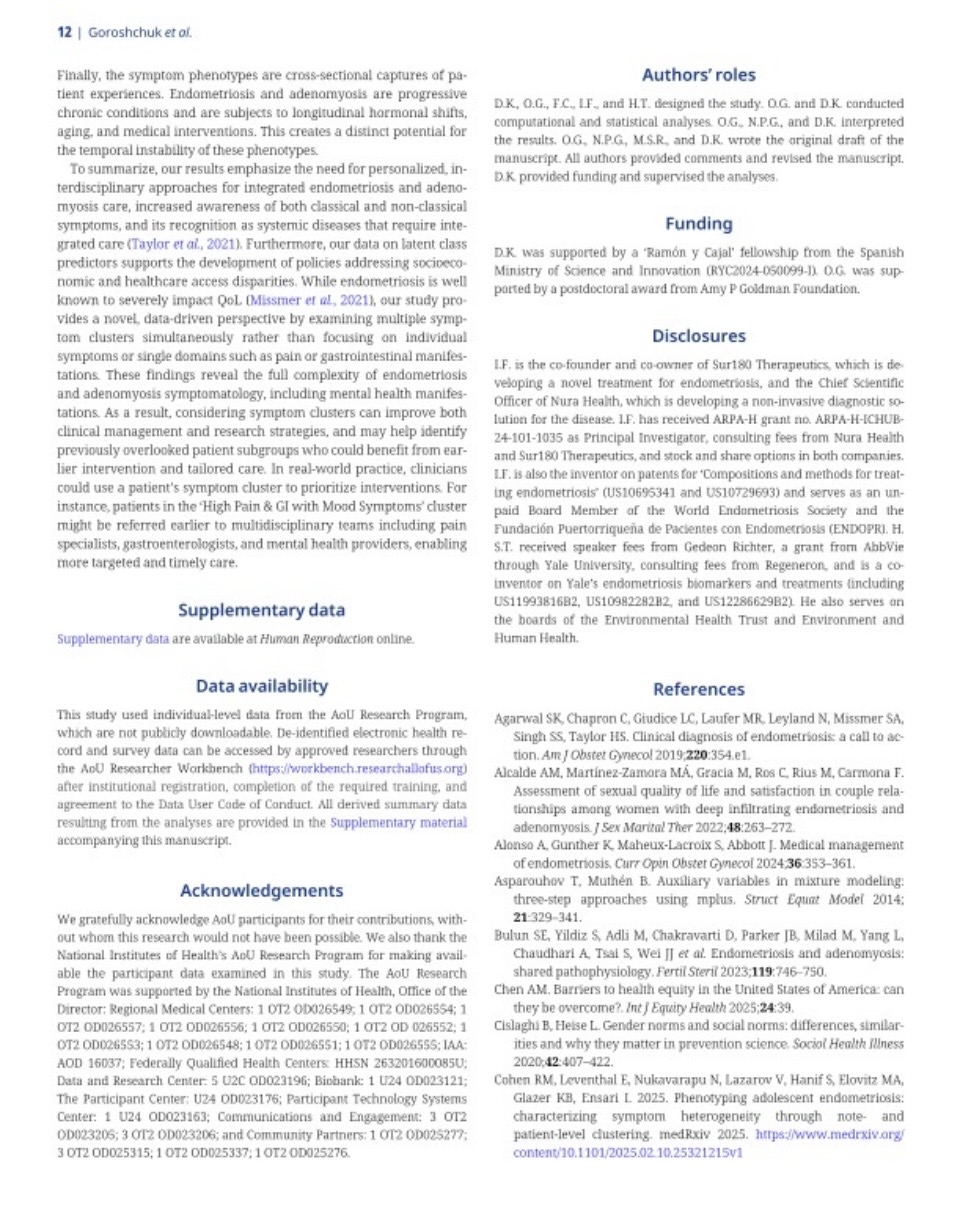
What also stands out is the value of self-reported data. Relying only on clinically confirmed diagnoses captured just 1.92% of women, but including self-reported endometriosis raised this to 5.67%, closer to, though still below the estimated real-world prevalence. Since patients are known to self-report endometriosis accurately about 84% of the time, this approach helped us capture a more complete picture of symptom diversity, including patients who might otherwise be underrepresented in clinical records, especially in the US context.
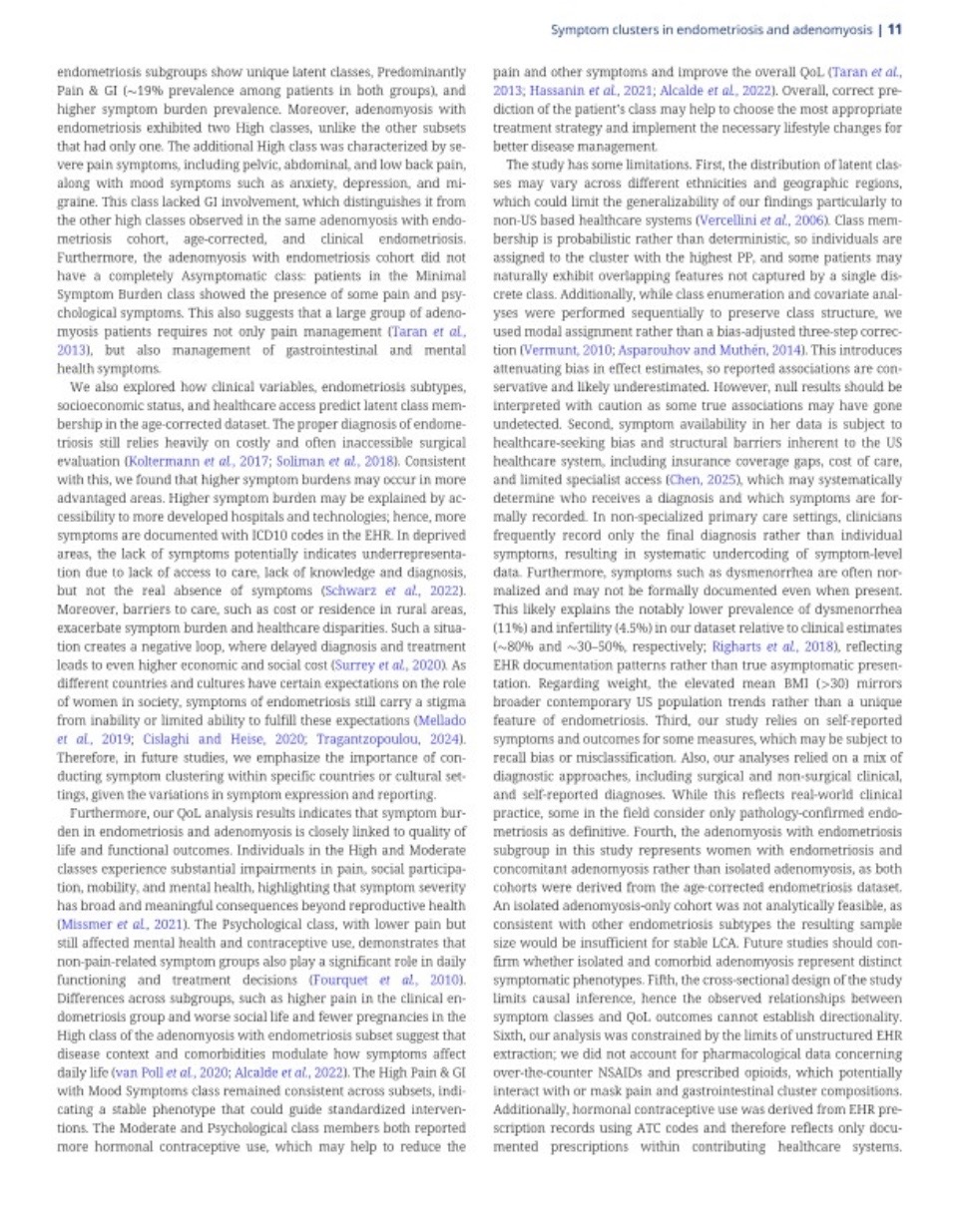
Together, these findings reinforce the need to recognize endometriosis as a systemic disease and to adopt a more integrated, patient-centered approach to diagnosis and care. Grouping symptoms that affect different body systems, rather than evaluating them in isolation, gives a much more complete picture of how the disease actually presents and can help identify patients who might otherwise be missed.
Paper attached as a PDF, and the link is in the comments.
Thanks to all co-authors for their contributions.”
Stay updated on all scientific advances in the field of fertility with Fertility News.
-
Oct 10, 2026, 16:11Abieyuwa Ehigiamusoe: Starting Your Embryology Journey?
-
Oct 10, 2026, 16:10Hajar Vahabzadeh: Embryo Quality – The Science Behind the Laboratory Environment
-
Oct 10, 2026, 16:08Karthik Raj: The POSEIDON Concept – Moving Beyond “Poor Responder”
-
Oct 10, 2026, 16:05Marking 15 Years of Fakih IVF Fertility Center
-
Oct 10, 2026, 16:04Eleni Polychronidou: How Men Feel About Infertility
-
Oct 10, 2026, 16:01Philippos Edimiris: Comparing Programmed Ovulatory FET with Modified Natural Cycle FET
-
Oct 10, 2026, 15:57Baby Caleb and His Mom Made the Day – Caperton Fertility Institute
-
Oct 10, 2026, 15:53Marga Esbert Algam: A Constructive and Engaging Visit to the Reproductive Medicine Laboratory and Cryobank
-
Oct 10, 2026, 15:50Why Mental Health Matters on the Fertility Journey – Egg Donor and Surrogate Solutions