
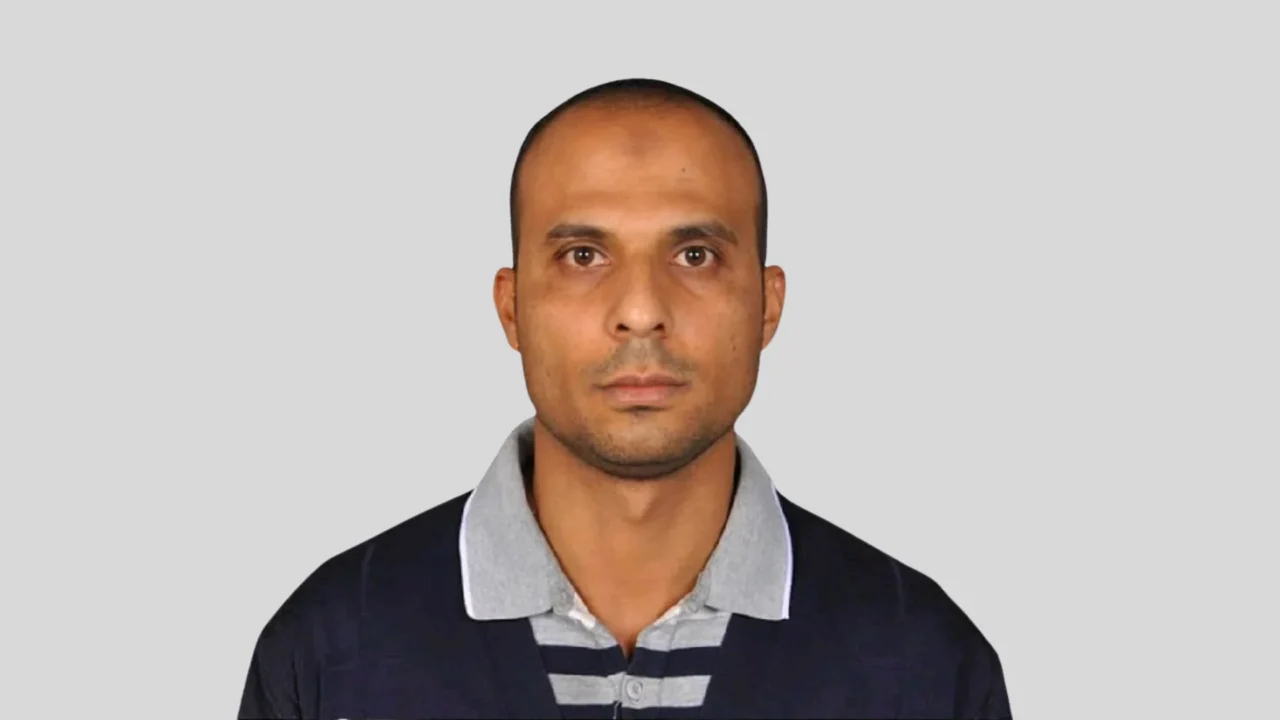
Khalil Faaed: The Silent Relationship Between the Meiotic Spindle and Zona Pellucida
Khalil Faaed, Intern of IVF/ICSI and Clinical Embryology at Indira IVF, shared a post on LinkedIn:
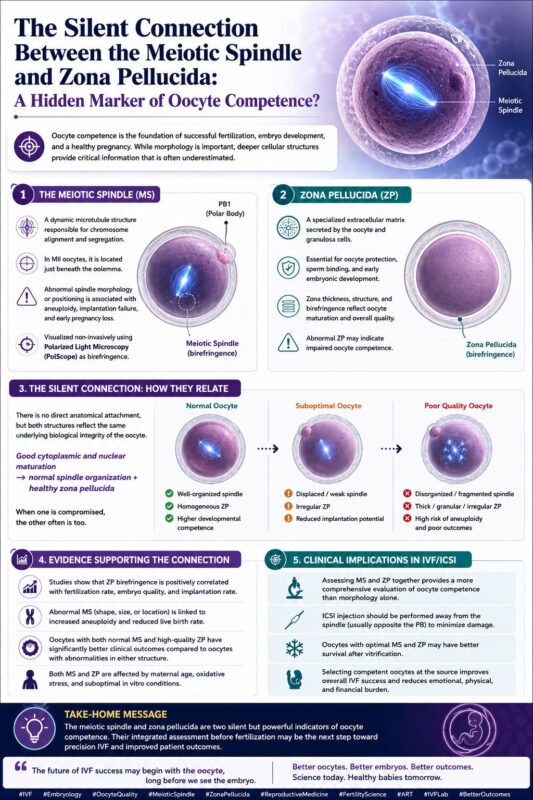
“The Silent Connection Between the Meiotic Spindle and Zona Pellucida: A Hidden Marker of Oocyte Competence?
In the pursuit of improving IVF outcomes, considerable attention has been directed toward embryo morphology, time-lapse kinetics, and genetic testing. Yet, one critical question remains: are we overlooking valuable indicators already present at the oocyte stage?
The meiotic spindle and zona pellucida represent two distinct but interconnected hallmarks of oocyte maturation. The meiotic spindle is responsible for accurate chromosome segregation during meiosis, while the zona pellucida serves as a specialized extracellular matrix essential for oocyte protection, sperm interaction, fertilization, and early embryonic development.
Although no direct anatomical connection exists between these structures, emerging evidence suggests that their quality may reflect the same underlying biological process: cytoplasmic and nuclear maturation of the oocyte.
A well organized meiotic spindle is associated with proper chromosomal alignment, reduced risk of aneuploidy, and improved developmental competence. Similarly, studies evaluating zona pellucida birefringence have reported associations with enhanced fertilization rates, superior embryo quality, and increased implantation potential. When abnormalities are observed in either structure, they may indicate compromised intracellular organization, oxidative stress, cytoskeletal dysfunction, or incomplete maturation.
Scientific question:
Could the combined assessment of meiotic spindle integrity and zona pellucida characteristics provide a more comprehensive evaluation of oocyte competence than morphology alone?
As reproductive medicine continues to move toward precision-based embryo selection, the future may depend not only on identifying the best embryo, but also on recognizing the biological signatures of a competent oocyte before fertilization even occurs. Perhaps the next breakthrough in IVF success rates will begin with a deeper understanding of the silent relationship between the meiotic spindle and the zona pellucida.”
Stay updated on all scientific advances in the field of fertility with Fertility News.
-
Oct 3, 2026, 18:27Non-Invasive Prenatal Testing: Science, Counselling, Global Access and Equity – IJGO
-
Oct 3, 2026, 18:19Erica Marsh: Congratulations to the 4 Doctors Who Were Named 2026 Top Docs by Hour Detroit Magazine
-
Oct 3, 2026, 18:16Shizuko Takahashi: What about the “Biological Clock” in Men?
-
Oct 3, 2026, 18:11Devyanshi Dixit: Call for Speakers for GFWH 2026
-
Oct 3, 2026, 18:06Shaun Greenaway: The More We Understand Male Fertility, the Better Decisions We Can Make
-
Oct 3, 2026, 17:55Reproductive BioMedicine Online’s Latest Issue, 53.4, Is Out
-
Oct 3, 2026, 17:50Ananya Anand Kumar: Excited to Share that My Cryopreservation Abstract Was Accepted for Fertility 2027
-
Oct 3, 2026, 17:48Pregnancy of the Future: Predicting, Preventing, and Treating the Great Obstetric Syndromes – SMFM
-
Oct 3, 2026, 17:46PMOS Was Never Just About the Ovaries… – PCOS Awareness Association