
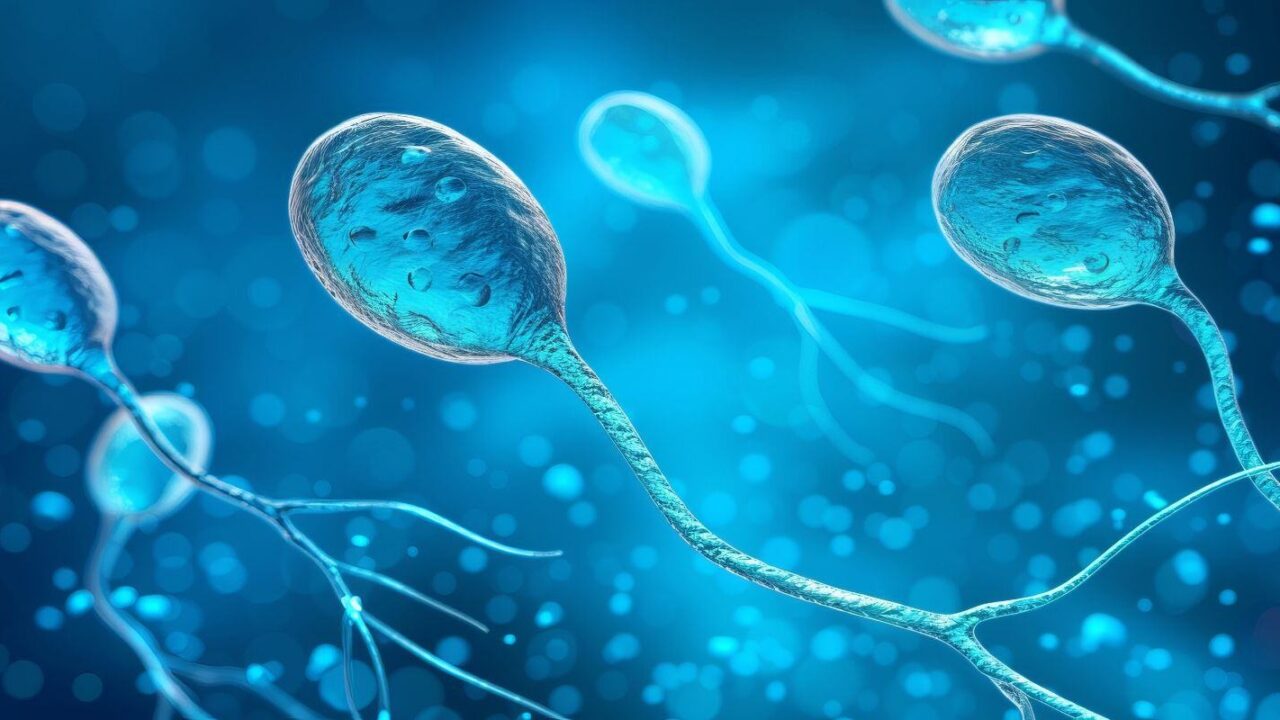
Eric Lameignere: The Impact of Sperm Epigenetics on ICSI Outcomes
Eric Lameignere, Co-Founder at MovaLife Microrobotics, shared a post on LinkedIn:
”Beyond Conventional Semen Parameters: The Impact of Sperm Epigenetics on ICSI Outcomes
At MovaLife microrobotics, we believe that sperm quality cannot be fully captured by conventional semen parameters alone. Increasing evidence suggests that the genetic and epigenetic integrity of spermatozoa plays a critical role in the success of assisted reproductive technologies, particularly ICSI.
A recent pilot study investigated the relationship between molecular sperm biomarkers and ICSI outcomes. Beyond sperm DNA fragmentation (DFI), the researchers examined the methylation status of three key imprinted genes: H19, IGF2, and PEG1/MEST.
These genes are particularly interesting because their expression depends on their parental origin. H19 is maternally expressed, whereas IGF2 and PEG1/MEST are paternally expressed. Proper methylation of these imprinted genes is essential for normal embryonic development and reproductive success.
The study included 20 men whose partners underwent ICSI treatment. Participants were classified into three groups according to reproductive outcome:
- No fertilization (n = 6)
- Non-viable embryos (n = 7)
- Viable embryos (n = 7)
The findings revealed a significant association between sperm DNA fragmentation and ICSI outcomes (p = 0.014). Men in the viable embryo group exhibited lower DNA fragmentation levels than those in the no-fertilization group, highlighting the importance of paternal genome integrity during the earliest stages of embryonic development.
The epigenetic findings were equally compelling:
- Higher methylation levels at H19 CpG1 were associated with the development of viable embryos (p = 0.016).
- A similar association was observed for IGF2 CpG3 (p = 0.027).
- PEG1/MEST demonstrated the strongest associations. Overall methylation levels increased progressively from the no-fertilization group to the viable embryo group, with a significant difference between outcomes (p = 0.007). PEG1/MEST methylation was also correlated with fertilization success (p = 0.002) and the generation of viable embryos (p = 0.011).
Although limited by its small sample size, this pilot study reinforces a key concept: the paternal contribution to IVF and ICSI success extends far beyond sperm count, motility, and morphology.
Assessing sperm DNA integrity together with epigenetic biomarkers may help explain certain cases of unexplained fertilization failure and contribute to a more personalized approach to reproductive medicine.
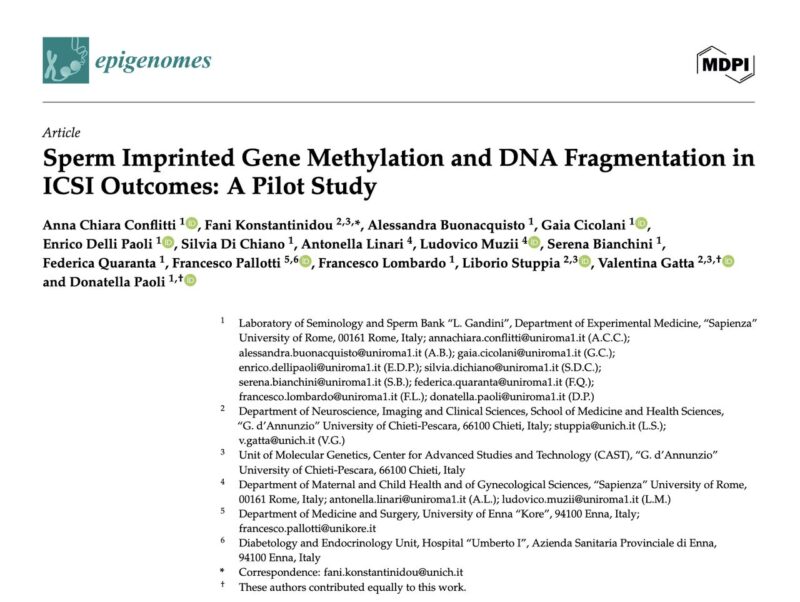
Study reference.
At MovaLife microrobotics, we closely follow advances in sperm molecular diagnostics that deepen our understanding of male fertility and its impact on embryo quality and reproductive outcomes.”
Title: Sperm Imprinted Gene Methylation and DNA Fragmentation in ICSI Outcomes: A Pilot Study
Authors: Anna Chiara Conflitti, Fani Konstantinidou, Alessandra Buonacquisto, Gaia Cicolani, Enrico Delli Paoli, Silvia Di Chiano, Antonella Linari, Ludovico Muzii, Serena Bianchini,
Federica Quaranta, Francesco Pallotti, Francesco Lombardo, Liborio Stuppia, Valentina Gatta and Donatella Paoli.
Stay updated on all scientific advances in the field of fertility with Fertility News.
-
Oct 21, 2026, 17:57Ula Sankowska: What I’ll Bring to ASRM INNOVATE in Baltimore
-
Oct 21, 2026, 17:40Robert Borowczyk: The Invisible Waiting Room
-
Oct 21, 2026, 17:35Fereshteh Safian: Behind the Scenes of Reproductive Medicine
-
Oct 21, 2026, 17:20The Relationship Between Trophectoderm Biopsy and Early Pregnancy Outcomes – RBMO
-
Oct 21, 2026, 17:09Jules McDonald: The Future of Fertility Is Happening in Abu Dhabi
-
Oct 21, 2026, 16:53Ashley Evans: I Never Imagined I’d Be a Fertility Story with a Group of People Whom I Have Never Met…
-
Oct 21, 2026, 16:41Karthik Raj: Asherman’s Syndrome – When the Endometrium Cannot Regenerate Normally
-
Oct 21, 2026, 16:36Katy Encalade: A Few Misconceptions I Think Every Woman Considering Egg Donation Deserves to Understand
-
Oct 21, 2026, 16:21The FeRGI Working Group 2026-2027 – ESHRE SIG Reproductive Genetics