
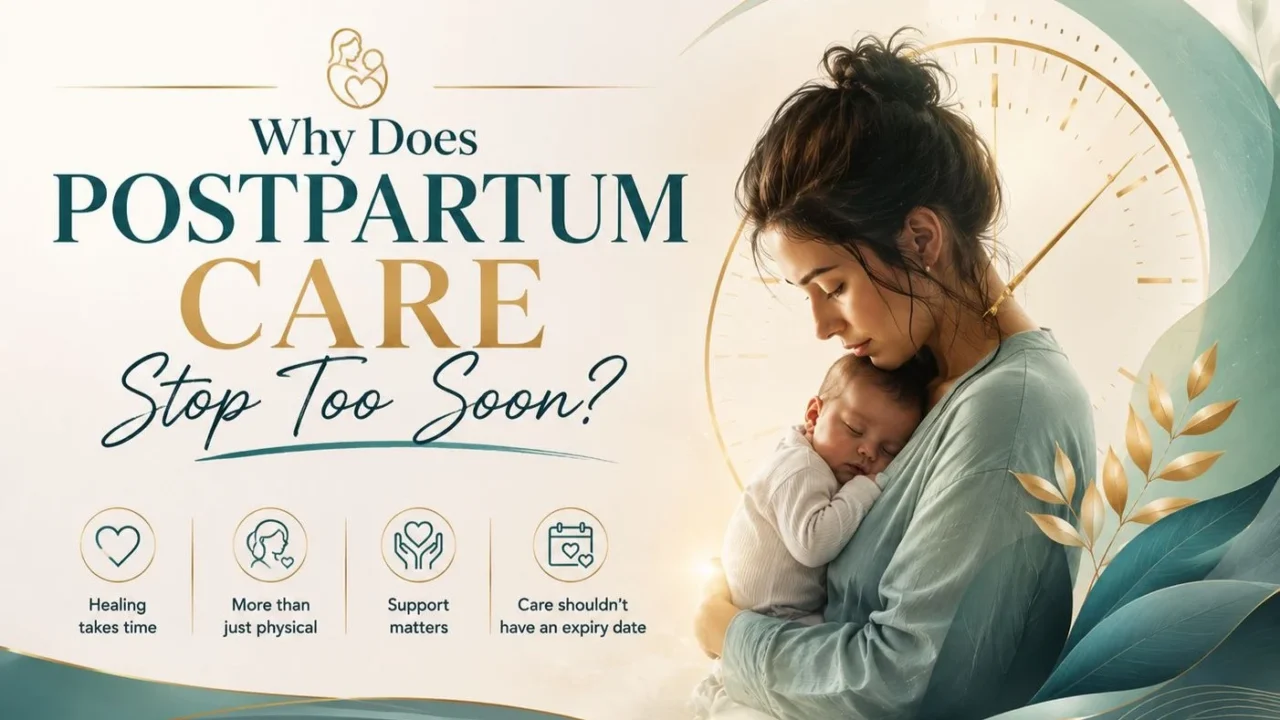
Devyanshi Dixit: Why Does Postpartum Care Stop Too Soon?
Devyanshi Dixit, Program Manager at CLS Event and Publication, shared on LinkedIn:
”Why Does Postpartum Care Stop Too Soon?
A baby is born.
But a mother is still recovering.
Yet postpartum care is often treated as though it ends after one routine follow – up.
The reality is that recovery can continue for weeks, months, and sometimes longer – physically, emotionally, and hormonally.
What Can Be Missed After Birth?
- Physical Recovery
Bleeding, wound healing, pelvic pain, anemia, and changes following vaginal or cesarean birth may require ongoing attention. - Pelvic Floor Health
Urinary leakage, pelvic pressure, pain, and sexual health concerns can persist and deserve appropriate assessment. - Breastfeeding and Lactation
Latching difficulties, pain, low milk supply concerns, and maternal nutrition can influence the breastfeeding experience. - Mental Health
Postpartum anxiety, depression, sleep deprivation, and emotional changes can significantly affect maternal well-being. - Long – Term Health
Pregnancy – related conditions such as gestational diabetes or hypertensive disorders can signal future health risks and may warrant continued follow – up.
What Should Modern Postpartum Care Look Like?
Instead of asking:
‘Has the mother recovered from childbirth?”
We should ask:
‘What support does she need next?”
Postpartum care can involve coordinated support from obstetricians, midwives, lactation specialists, physiotherapists, mental health professionals, nutrition experts, and primary-care teams.
The future of maternal healthcare is moving toward continuous, personalized postpartum care-not a single postpartum visit.
These important developments in maternal health, postpartum care, breastfeeding, pelvic floor health, women’s mental health, and preventive healthcare will contribute to scientific discussions at the 12th Global Summit on Gynecology, Fertility and Women’s Health (GFWH 2026).
- November 23 – 24, 2026
- Bangkok, Thailand
The birth may last hours. Recovery deserves much more time.”
Other articles featuring GFWH 2026 on Fertility News.
-
Oct 22, 2026, 17:36Filipa Rafael: A Woman Should Not Have to Be Trying for a Baby for Her Ovarian Insufficiency to Matter
-
Oct 22, 2026, 17:30Michele Boiani: New Insight on Zona Pellucida Proteins
-
Oct 22, 2026, 17:01Sean Lauber: New Review Assesses PGT-A Effectiveness and Safety
-
Oct 22, 2026, 16:56Eric Lameignere: Optimizing Sperm Handling Conditions in the IVF Laboratory
-
Oct 22, 2026, 16:49Rajeev Agarwal: Most Failed IVF Transfers Are About the Embryo, Not the Uterus
-
Oct 22, 2026, 16:44Devyanshi Dixit: Calling for Delegates for GFWH 2026
-
Oct 22, 2026, 16:35Kate Ryder: Headed to ASRM 2026 and Looking Forward to Spending Time with Clinic Partners
-
Oct 22, 2026, 16:27Can PCOS/PMOS Increase the Risk of Premature Death? – PCOS Millennials
-
Oct 22, 2026, 16:18Margaret Cali: Before IVF Begins, a Lot of Preparation Happens…