
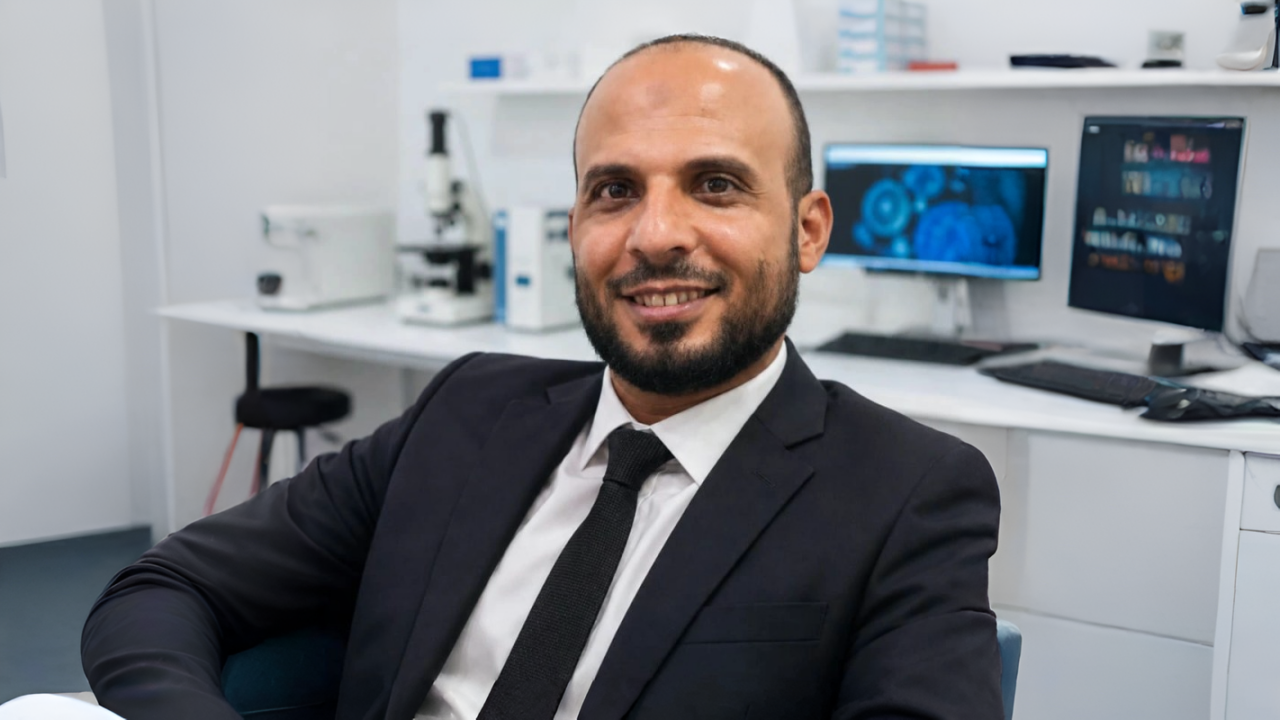
Khalil Faaed: We Measure the Embryos, But Are We Measuring the System That Creates Them?
Khalil Faaed, Embryologist at Modern IVF Center, shared on LinkedIn:
”We keep measuring embryos.
But are we measuring the system that creates them?
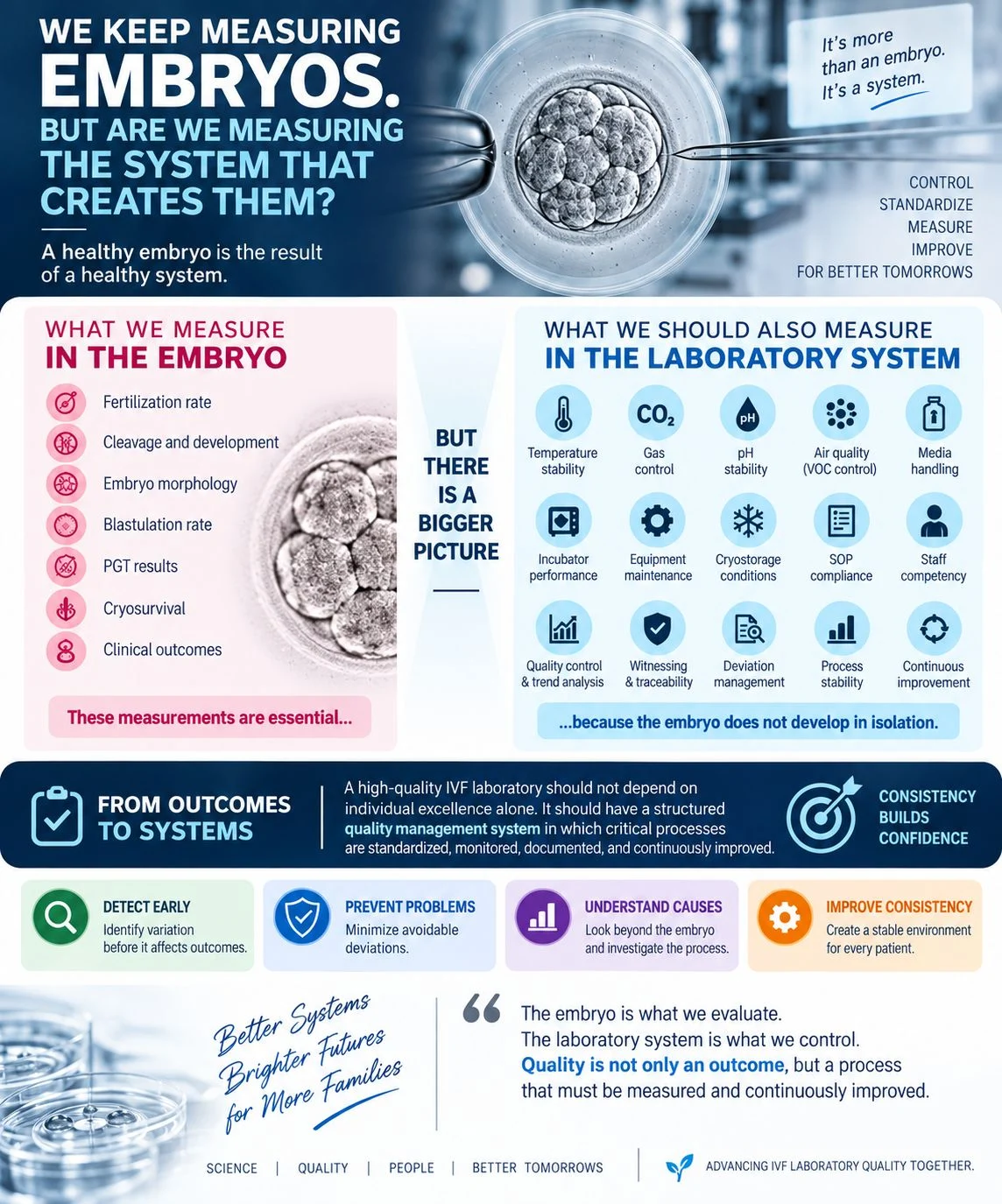
In IVF, we measure almost everything we can observe. We assess fertilization, cleavage, embryo morphology, blastocyst development, cryosurvival, PGT results, and ultimately clinical outcomes. These measurements are essential, but they represent only one part of the picture.
An embryo does not develop in isolation. It develops within a highly controlled laboratory environment, where multiple factors interact continuously. Temperature, gas concentrations, pH, osmolality, media handling, incubator performance, air quality, equipment stability, cryostorage conditions, witnessing, traceability, staff competency, SOP compliance, calibration, maintenance, and quality control can all influence the consistency and reliability of the laboratory process.
This raises an important question: Are we measuring the embryo enough, while measuring the laboratory system too little?
When an IVF outcome changes, it is easy to focus immediately on the patient, gametes, or embryo. However, a strong laboratory investigation should also examine the process behind that outcome. Was equipment performance stable? Were environmental parameters controlled? Were media handling procedures consistent? Were QC results within predefined limits? Were there any deviations, maintenance events, or changes in workflow? Was staff competency maintained?
This is the difference between simply measuring outcomes and managing a system. A high-quality IVF laboratory should not depend solely on the experience or skill of individual embryologists. It should have a structured quality management system in which critical processes are standardized, monitored, documented, reviewed, and continuously improved.
The objective is not only to recognize when something has gone wrong. The objective is to identify variation early, understand its potential causes, prevent avoidable deviations, and maintain a consistent laboratory environment.
That means our KPIs should go beyond fertilization rates, blastulation rates, embryo morphology, or cryosurvival. We should also ask whether our laboratory processes are stable and reproducible over time.
Because the real question is not simply:
How many good embryos did we produce?
It is also:
How consistently are we creating and maintaining the conditions required for optimal embryo development?
The embryo is what we evaluate.
The laboratory system is what we control.
And perhaps the next step in IVF laboratory quality is not simply measuring more about the embryo, but measuring more about the system behind every embryo.
Quality is not only an outcome.
Quality is a process that must be controlled, measured, and continuously improved.”
Other articles featuring Khalil Faaed on Fertility News.
-
Oct 22, 2026, 17:36Filipa Rafael: A Woman Should Not Have to Be Trying for a Baby for Her Ovarian Insufficiency to Matter
-
Oct 22, 2026, 17:30Michele Boiani: New Insight on Zona Pellucida Proteins
-
Oct 22, 2026, 17:01Sean Lauber: New Review Assesses PGT-A Effectiveness and Safety
-
Oct 22, 2026, 16:56Eric Lameignere: Optimizing Sperm Handling Conditions in the IVF Laboratory
-
Oct 22, 2026, 16:49Rajeev Agarwal: Most Failed IVF Transfers Are About the Embryo, Not the Uterus
-
Oct 22, 2026, 16:44Devyanshi Dixit: Calling for Delegates for GFWH 2026
-
Oct 22, 2026, 16:35Kate Ryder: Headed to ASRM 2026 and Looking Forward to Spending Time with Clinic Partners
-
Oct 22, 2026, 16:27Can PCOS/PMOS Increase the Risk of Premature Death? – PCOS Millennials
-
Oct 22, 2026, 16:18Margaret Cali: Before IVF Begins, a Lot of Preparation Happens…