
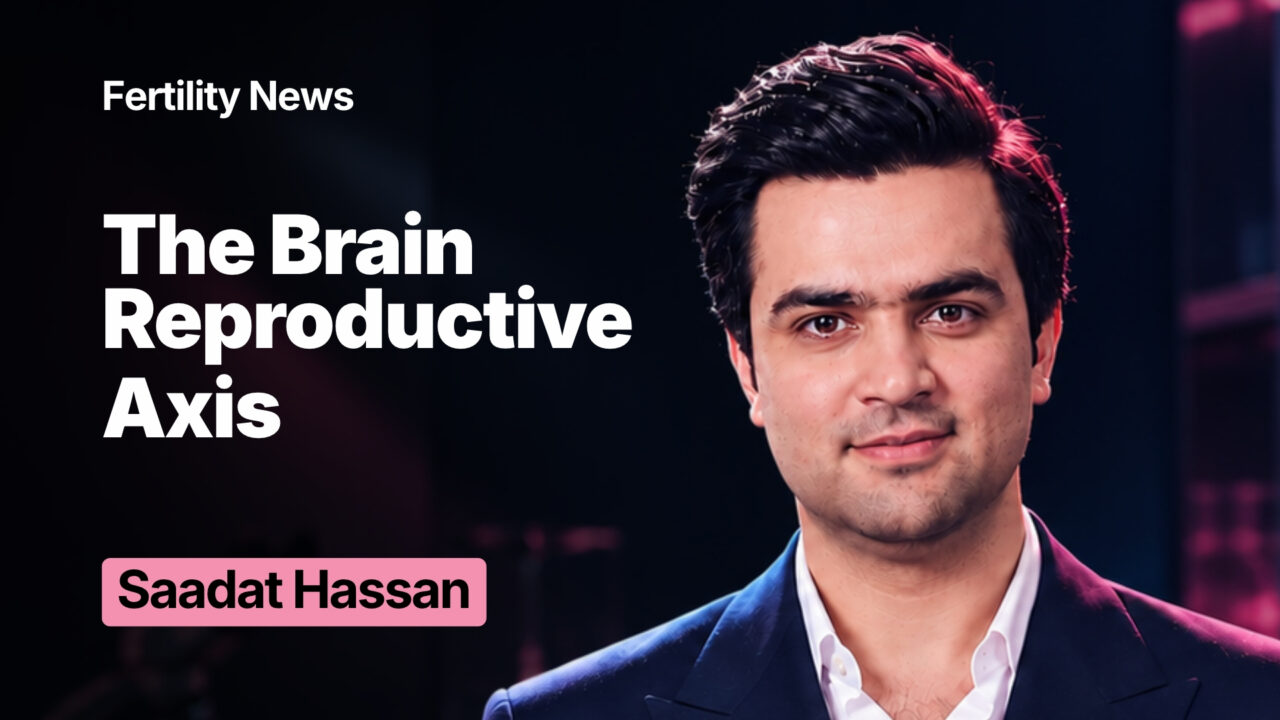
The Brain-Reproductive Axis: Psychological Stress and Human Fertility in Men and Women
“From neuroendocrine regulation to gamete integrity, sperm function and assisted reproductive technology.
Psychological stress is frequently discussed in fertility care, yet its biological effects are often simplified. Stress is neither a universal cause of infertility nor an explanation for every unsuccessful treatment cycle. It is better understood as a potential modifier of reproductive physiology, behaviour and treatment experience, interacting with endocrine, metabolic, environmental and clinical factors. Current evidence supports biological plausibility and several associations, but the strength of evidence differs between women, men and assisted reproductive technology (ART).
How does psychological stress influence reproductive hormone regulation?
The hypothalamic-pituitary-adrenal (HPA) axis coordinates the endocrine response to stress. Hypothalamic corticotropin-releasing hormone (CRH) stimulates pituitary adrenocorticotropic hormone (ACTH), which promotes adrenal cortisol secretion.
The hypothalamic-pituitary-gonadal (HPG) axis in men and hypothalamic-pituitary-ovarian (HPO) axis in women regulate reproductive function through gonadotropin-releasing hormone (GnRH), luteinising hormone (LH) and follicle-stimulating hormone (FSH). Sustained stress-related signalling may influence GnRH pulsatility and downstream gonadal function; however, this pathway should not be interpreted as proof that psychological stress independently causes infertility.
Functional hypothalamic amenorrhoea (FHA) illustrates the interaction between neuroendocrine and environmental factors. It is a form of chronic anovulation associated with reduced hypothalamic GnRH drive and may occur in the context of psychological stress, low energy availability, weight loss or excessive exercise.
The Endocrine Society guideline emphasises that FHA is a diagnosis of exclusion and recommends assessment of psychological stressors alongside medical and nutritional factors (Gordon et al., 2017). FHA does not mean that stress has permanently depleted ovarian reserve or caused irreversible genetic damage to oocytes. Its clinical significance lies in disrupted hypothalamic signalling and ovulatory function, which may improve when contributing factors are addressed.
Evidence linking stress to IVF outcomes is less consistent than the biological rationale might suggest. Studies differ in how stress is measured, when it is assessed and which treatment outcomes are reported. Stress measured before stimulation, around oocyte retrieval or during embryo transfer may not represent the same exposure. Therefore, a patient’s distress should not be used to predict an individual cycle outcome or imply that remaining calm is a prerequisite for pregnancy. A 2024 systematic review also reported heterogeneous findings across IVF stages, reinforcing the need to avoid deterministic conclusions from stress measurements (Zanettoullis et al., 2024).
How are male reproductive function, sperm DNA integrity and clinical testing affected?
The male reproductive system may also be influenced by chronic stress through endocrine, autonomic, behavioural and oxidative pathways. A 2026 systematic review included 34 studies and 11,141 participants. Associations between psychological stress and impaired semen parameters were reported frequently, particularly for sperm concentration and motility; however, substantial heterogeneity and the predominantly observational nature of the evidence limit causal interpretation (Costa et al., 2026).
Oxidative stress is one proposed mechanism. An imbalance between reactive oxygen species (ROS) and antioxidant defences can promote lipid peroxidation, impair sperm membrane function and mitochondrial activity, and contribute to sperm DNA damage. Physiological ROS levels have roles in sperm capacitation and signalling; excessive ROS, rather than ROS presence itself, is the concern.
A 2026 review describes plausible links between stress-related neuroendocrine activation and redox imbalance, while recognising that much of the mechanistic causal evidence comes from experimental models rather than definitive human studies (Kaltsas et al., 2026). Sperm DNA fragmentation (SDF), often reported as a DNA fragmentation index (DFI), may be elevated in some men despite conventional semen parameters within reference limits. It is not, however, a direct measurement of embryo competence and should not be treated as a deterministic predictor of fertilisation, pregnancy or live birth.
Medication history also deserves careful assessment. A systematic review and meta-analysis of four studies involving 222 men reported associations between selective serotonin reuptake inhibitors (SSRIs) and changes in sperm morphology, concentration, motility and DNA fragmentation (Xu et al., 2022).
The small evidence base limits generalisability, and findings do not establish that every SSRI has the same effect in every patient. Evidence for anxiolytic medications is less established. Clinicians should document relevant medicines and discuss concerns with the prescribing clinician; patients should not stop antidepressants or anxiolytics abruptly or without medical advice.
The 2024 amended American Urological Association/American Society for Reproductive Medicine (AUA/ASRM) male infertility guideline does not recommend SDF testing as part of the initial evaluation of every infertile couple. Testing may be considered in selected clinical contexts, including recurrent pregnancy loss or repeated assisted reproduction failure, after appropriate evaluation and counselling (AUA/ASRM, 2024). The decision should be based on the clinical question, assay limitations and whether the result is likely to change management.
What should fertility teams consider in sperm collection and laboratory practice?
Performance anxiety can make semen collection difficult for some patients. The collection environment should therefore protect privacy, provide clear instructions and allow staff to respond without embarrassment or judgement. Where collection is unsuccessful or incomplete, the team should follow a predefined, locally validated protocol rather than assume that a particular waiting period will restore sperm quality.
The WHO laboratory manual recommends standardised collection and handling procedures, including recording relevant collection details and minimising delays before analysis (WHO, 2021). Any alternative collection or transport arrangement should be agreed with the laboratory in advance and validated for the intended analysis.
Laboratory sperm-selection methods are sometimes presented as solutions to stress-associated sperm damage. Microfluidic selection systems may reduce exposure to centrifugation and have been associated with lower SDF in some studies, but evidence of a consistent improvement in live-birth outcomes remains insufficient to justify universal use (Iranzo et al., 2025).
Similarly, hyaluronan-based physiological intracytoplasmic sperm injection (PICSI) has been evaluated in a large randomised trial. In the HABSelect trial, PICSI did not significantly improve the primary outcome of term live birth compared with standard ICSI, although a reduction in miscarriage was observed (Miller et al., 2019). These methods should be selected according to patient characteristics, laboratory validation, cost and the strength of outcome evidence—not simply because a couple reports psychological stress.
Antioxidant-containing media and other add-ons require the same discipline. A plausible mechanism or improvement in a laboratory surrogate does not establish improved embryo development or live birth. Product-specific manufacturer instructions, quality assurance and local validation remain essential. Likewise, time-lapse imaging may support continuous observation and workflow, but it should not be represented as a proven method for increasing live birth.
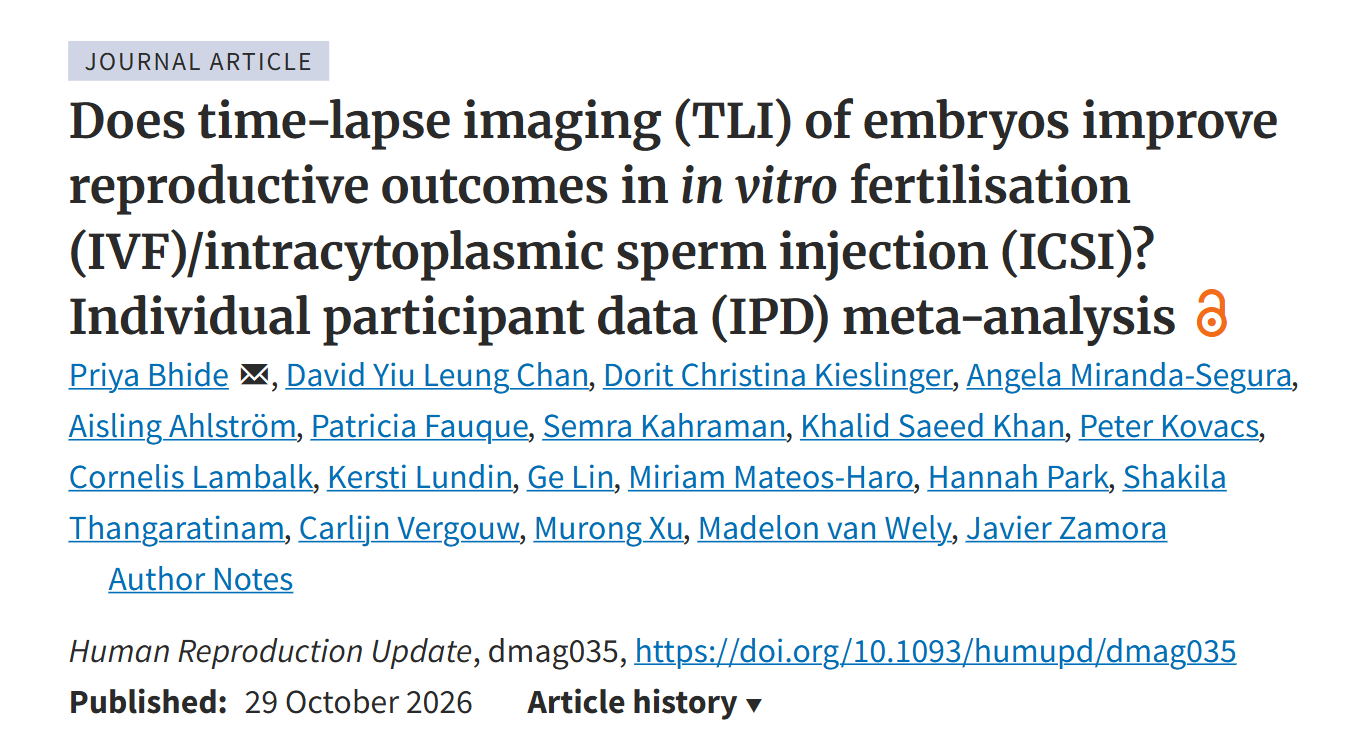
A 2026 individual participant data meta-analysis of eight trials involving 5,642 participants found no clinically important difference in live-birth rates between time-lapse systems and standard embryo incubation and selection (Bhide et al., 2026).
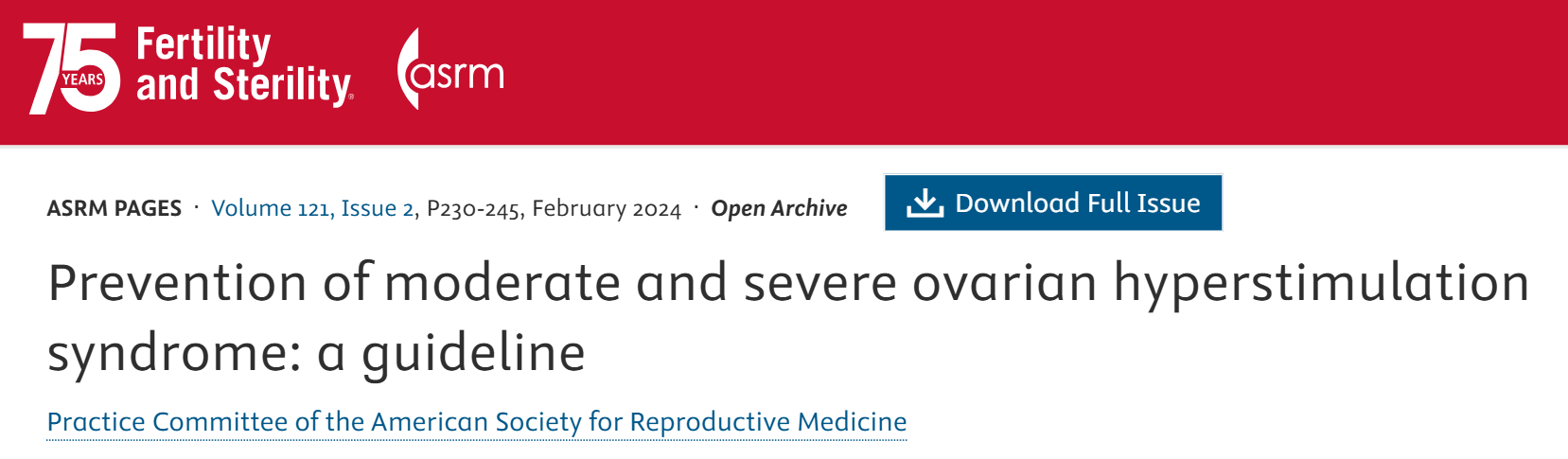
A freeze-all strategy is also not a treatment for psychological stress. The ASRM guideline recommends considering cryopreservation of all embryos followed by frozen embryo transfer for patients at risk of moderate-to-severe ovarian hyperstimulation syndrome (OHSS), particularly with a high ovarian response or elevated oestradiol (ASRM, 2023). The decision is based on clinical risk and treatment safety, not on an assumption that avoiding a fresh transfer reduces stress or improves outcomes for every patient.
How should fertility services integrate psychological care?
Psychological support is part of good fertility care, not an intervention that transfers responsibility for treatment success to the patient. Infertility and its treatment can themselves generate distress, relationship strain, uncertainty and performance pressure. Fertility teams can reduce avoidable burden through consistent explanations, realistic expectations, privacy during semen collection, sensitive communication of results and timely referral for psychological support when needed.
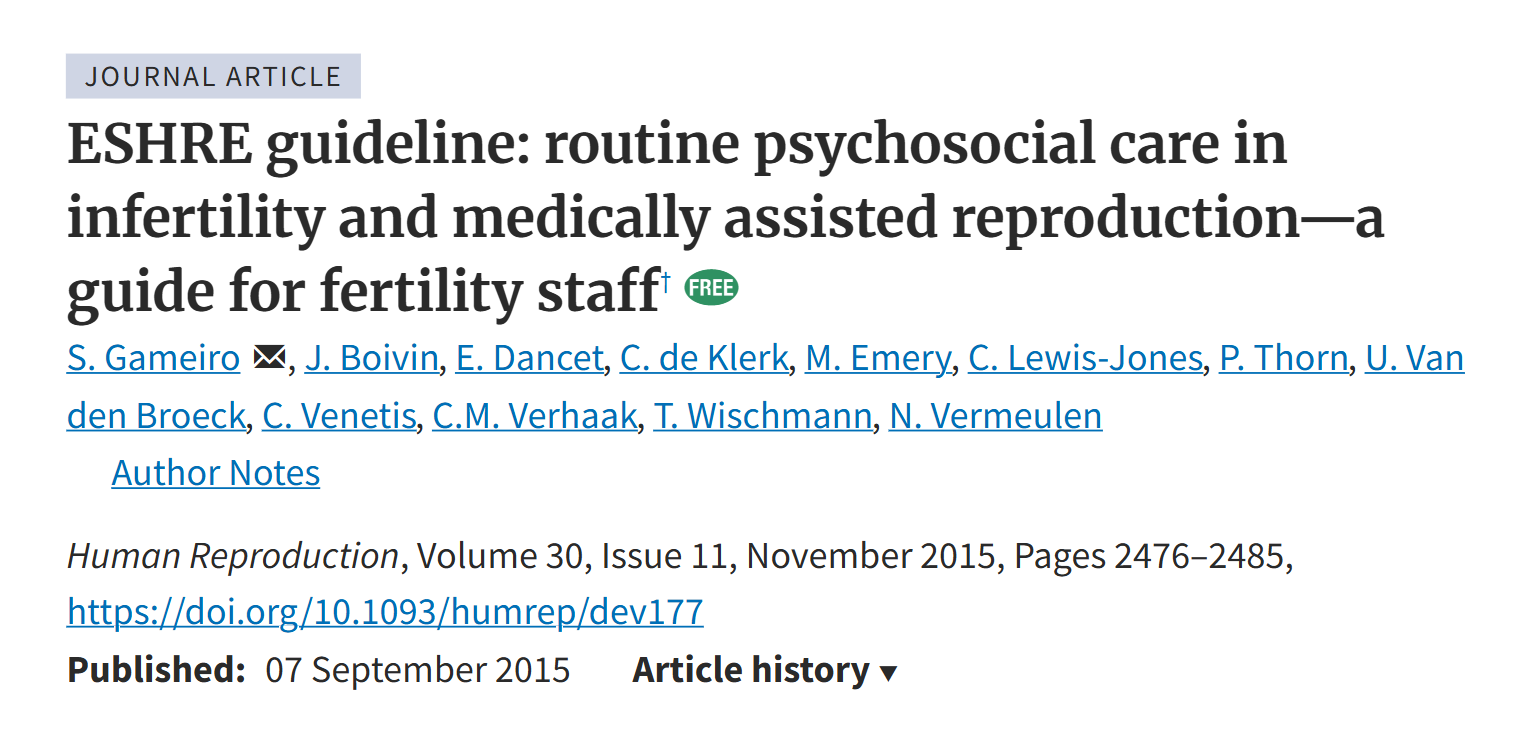
The European Society of Human Reproduction and Embryology (ESHRE) guideline on routine psychosocial care encourages fertility staff to recognise patients’ emotional needs throughout the treatment pathway and respond appropriately (Gameiro et al., 2015). This approach is compatible with evidence-based reproductive medicine: assess medical and lifestyle factors, investigate relevant endocrine or male-factor abnormalities, use laboratory interventions selectively, and provide psychological care without suggesting that stress is the patient’s fault.”
Written by Saadat Hassan
Senior Clinical Embryologist/IVF and Embryology
BSc (Hons) Medical Laboratory Technology
King Edward Medical University, Lahore, Pakistan
References
1. Gordon CM, Ackerman KE, Berga SL, Kaplan JR, Mastorakos G, Misra M, et al. Functional hypothalamic amenorrhea: An Endocrine Society clinical practice guideline. Journal of Clinical Endocrinology and Metabolism. 2017;102(5):1413-1439.
2. Zanettoullis AT, Mastorakos G, Vakas P, Vlahos N, Valsamakis G. Effect of stress on each of the stages of the IVF procedure: A systematic review. International Journal of Molecular Sciences. 2024;25(2):726.
3. Costa AF, Silveira LV, Onofre FBM, Onofre ASC. Psychological stress and semen quality impairment: A systematic review. JBRA Assisted Reproduction. 2026;30(3):628-640.
4. Kaltsas A, Papaharitou S, Dimitriadis F, Chrisofos M, Sofikitis N. Psychological stress and male infertility: Oxidative stress as the common downstream pathway. Biomedicines. 2026;14(2):259.
5. Xu J, He K, Zhou Y, Zhao L, Lin Y, Huang Z, et al. The effect of SSRIs on semen quality: A systematic review and meta-analysis. Frontiers in Pharmacology. 2022;13:911489.
6. American Urological Association and American Society for Reproductive Medicine. Diagnosis and treatment of infertility in men: AUA/ASRM guideline (2020; amended 2024). 2024.
7. World Health Organization. WHO laboratory manual for the examination and processing of human semen. 6th ed. Geneva: WHO; 2021.
8. Iranzo AG, Cano-Extremera M, Hervás I, Guillem MF, Gil Juliá M, Navarro-Gomezlechon A, et al. Sperm selection using microfluidic techniques significantly decreases sperm DNA fragmentation (SDF), enhancing reproductive outcomes: A systematic review and meta-analysis. Biology. 2025;14(7):792.
9. Miller D, Pavitt S, Sharma V, Forbes G, Hooper R, Bhattacharya S, et al. Physiological, hyaluronan-selected intracytoplasmic sperm injection for infertility treatment (HABSelect): A parallel, two-group, randomised trial. The Lancet. 2019;393(10170):416-422.
10. Bhide P, Chan DYL, Kieslinger DC, Miranda-Segura A, Ahlström A, Fauque P, et al. Does time-lapse imaging (TLI) of embryos improve reproductive outcomes in in vitro fertilisation (IVF)/intracytoplasmic sperm injection (ICSI)? Individual participant data (IPD) meta-analysis. Human Reproduction Update. 2026.
11. American Society for Reproductive Medicine. Prevention of moderate and severe ovarian hyperstimulation syndrome: A guideline. Fertility and Sterility. 2024;121:230-245.
12. Gameiro S, Boivin J, Dancet E, de Klerk C, Emery M, Lewis-Jones C, et al. ESHRE guideline: Routine psychosocial care in infertility and medically assisted reproduction—a guide for fertility staff. Human Reproduction. 2015;30(11):2476-2485.
Other articles featuring Saadat Hassan on Fertility News.
-
Nov 5, 2026, 17:55Arsiak Vartenian: I Spent 8 Years Trying to Become a Mother
-
Nov 5, 2026, 17:48Anita Guru: My IVF Journey Series, Part 2 of 5
-
Nov 5, 2026, 17:40Lucy Froese: Your Emotional Wellbeing Matters, Whatever Happens Next
-
Nov 5, 2026, 17:35Resa Nabor: What You Need to Know About PCOS and PCOM
-
Nov 5, 2026, 17:23Alejandro Chavez-Badiola: First-in-Human Cohort – 42 Cycles Treated with Conceivable’s Automation-Assisted Systems
-
Nov 5, 2026, 17:11Karen Czeloth: Introducing Myself and the Thinking Behind My Work This Movember
-
Nov 5, 2026, 17:08David Crosby Has Been Appointed Clinical Associate Professor at the UCD School Of Medicine – Merrion Fertility Clinic
-
Nov 5, 2026, 17:03Iris Lam: Moderating “AMA-Navigating Fertility and IVF After 35” On November 19
-
Nov 5, 2026, 16:55Adenomyosis Doesn’t Look the Same at 16, 46, or 60 – The Lancet Obstetrics, Gynaecology, and Women’s Health