
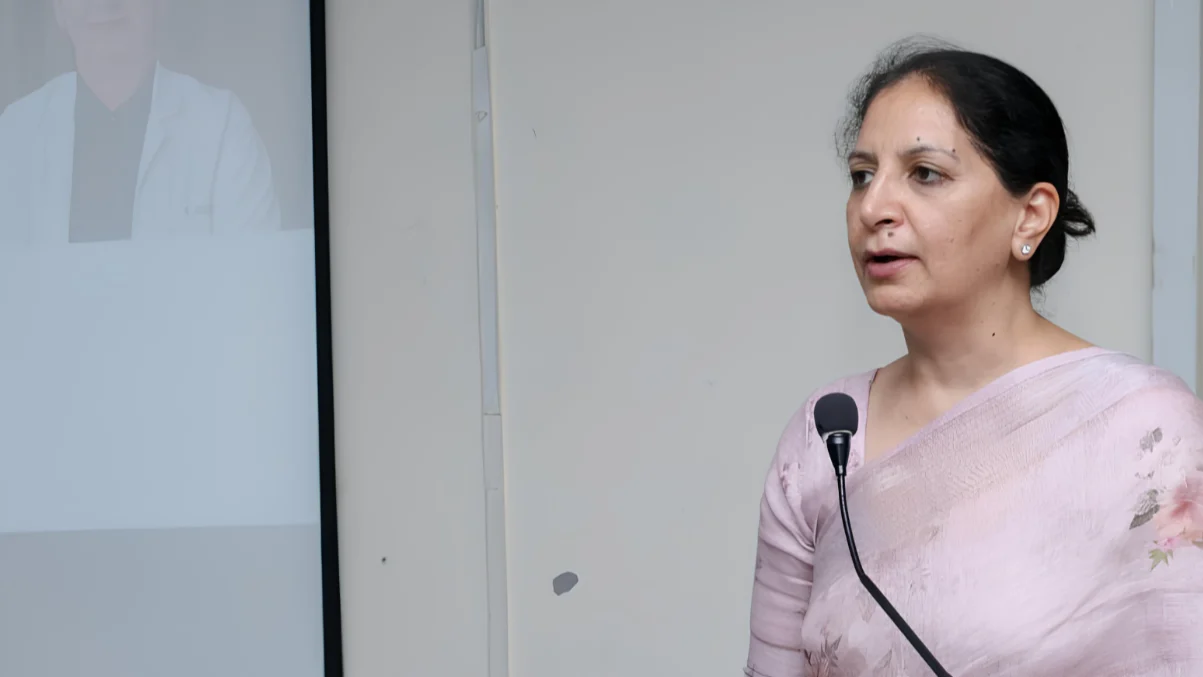
Sonu Balhara: Discussing Fertility with Every Young Patient Before Starting Potentially Gonadotoxic Treatment
Sonu Balhara, Director of ART Fertility Clinic India, shared on LinkedIn:
“Fertility preservation is a subject very close to my heart.
I recently encountered a young man who, before beginning chemotherapy and radiotherapy for a brain tumour, had specifically asked whether he should preserve his semen. He was reassured that his fertility would not be affected and that sperm cryopreservation was unnecessary.
After completing treatment, he developed testicular failure. Unfortunately, the opportunity to preserve his fertility before treatment had already been lost.
This case has stayed with me because the outcome may have been different if he had received timely counselling and referral.
Cancer itself, chemotherapy, radiotherapy, bone-marrow transplantation and certain surgical procedures can temporarily or permanently impair fertility. Similarly, severe endometriosis, ovarian or testicular tumours and other medical conditions may compromise future reproductive potential.
I sincerely request all oncologists, radiation oncologists, haematologists, bone-marrow transplant physicians, breast surgeons and gynaecologists:
Please discuss fertility with every young patient before starting potentially gonadotoxic treatment – and refer them to a fertility specialist at the earliest opportunity.
Not every patient will require or choose fertility preservation. However, every eligible patient deserves:
Accurate information about the potential reproductive risks
Timely access to fertility-preservation counselling
An opportunity to make an informed decision before treatment begins
Depending on the patient’s age, diagnosis and available time, options may include
Fertility preservation is a subject very close to my heart.
I recently encountered a young man who, before beginning chemotherapy and radiotherapy for a brain tumour, had specifically asked whether he should preserve his semen. He was reassured that his fertility would not be affected and that sperm cryopreservation was unnecessary.
After completing treatment, he developed testicular failure. Unfortunately, the opportunity to preserve his fertility before treatment had already been lost.
This case has stayed with me because the outcome may have been different if he had received timely counselling and referral.
Cancer itself, chemotherapy, radiotherapy, bone-marrow transplantation and certain surgical procedures can temporarily or permanently impair fertility. Similarly, severe endometriosis, ovarian or testicular tumours and other medical conditions may compromise future reproductive potential.
I sincerely request all oncologists, radiation oncologists, haematologists, bone-marrow transplant physicians, breast surgeons and gynaecologists:
Please discuss fertility with every young patient before starting potentially gonadotoxic treatment – and refer them to a fertility specialist at the earliest opportunity.
Not every patient will require or choose fertility preservation. However, every eligible patient deserves:
- Accurate information about the potential reproductive risks
- Timely access to fertility-preservation counselling
- An opportunity to make an informed decision before treatment begins
Depending on the patient’s age, diagnosis and available time, options may include sperm, oocyte, embryo, ovarian tissue or testicular tissue cryopreservation.
The oncology treatment plan must always remain the priority, but fertility counselling can usually occur without causing an unnecessary delay in treatment.
A referral does not guarantee future parenthood – but the absence of a timely discussion may permanently remove that possibility.
Let us treat the disease while also protecting the life our patients hope to live after recovery.”
Stay informed with the latest updates in fertility and reproductive medicine on Fertility News.
-
Oct 22, 2026, 17:36Filipa Rafael: A Woman Should Not Have to Be Trying for a Baby for Her Ovarian Insufficiency to Matter
-
Oct 22, 2026, 17:30Michele Boiani: New Insight on Zona Pellucida Proteins
-
Oct 22, 2026, 17:01Sean Lauber: New Review Assesses PGT-A Effectiveness and Safety
-
Oct 22, 2026, 16:56Eric Lameignere: Optimizing Sperm Handling Conditions in the IVF Laboratory
-
Oct 22, 2026, 16:49Rajeev Agarwal: Most Failed IVF Transfers Are About the Embryo, Not the Uterus
-
Oct 22, 2026, 16:44Devyanshi Dixit: Calling for Delegates for GFWH 2026
-
Oct 22, 2026, 16:35Kate Ryder: Headed to ASRM 2026 and Looking Forward to Spending Time with Clinic Partners
-
Oct 22, 2026, 16:27Can PCOS/PMOS Increase the Risk of Premature Death? – PCOS Millennials
-
Oct 22, 2026, 16:18Margaret Cali: Before IVF Begins, a Lot of Preparation Happens…