
Mahmoud Moussa: PCI in MC Twins Can Give False Reassurance Despite Higher Risk
Mahmoud Moussa, Clinical Lead Obstetrics and Gynaecology at Great Western Hospitals NHS Foundation Trust, shared a post on LinkedIn:
“Proximal cord insertion in MC twins
Proximal cord insertion (PCI) in Monochorionic twins is defined as cord to cord distance ≤ 4cm. It occurs in approximately 3-5% of MC pregnancies. it’s more common in MCMA twins.
Why it matters:
- PCI is associated with higher incidence of sFGR. it’s also associated with umbilical artery doppler instability even in absence of typical features of MC pregnancy complications.
- The presence of PCI with sFGR needs careful assessment and close monitoring. The traditional EFW discordance of 20-25% might not be sufficient to stratify risks and predicting poor perinatal outcome. In presence of PCI, there is likely more abundance of large AA anastomose which makes the discordance in EFW less than 20% in MC twins complicated by sFGR. This can give false reassurance despite same or higher risk of poor perinatal outcome.
- Twins with PCI are less likely to develop TTTS, moreover, intrauterine interventions in these twins are more challenging and time consuming with higher risk of complications.
Placental mapping, identification of cord insertions and checking entire inter-twin membrane placental attachment should be a routine part of MC twins scanning and assessment.
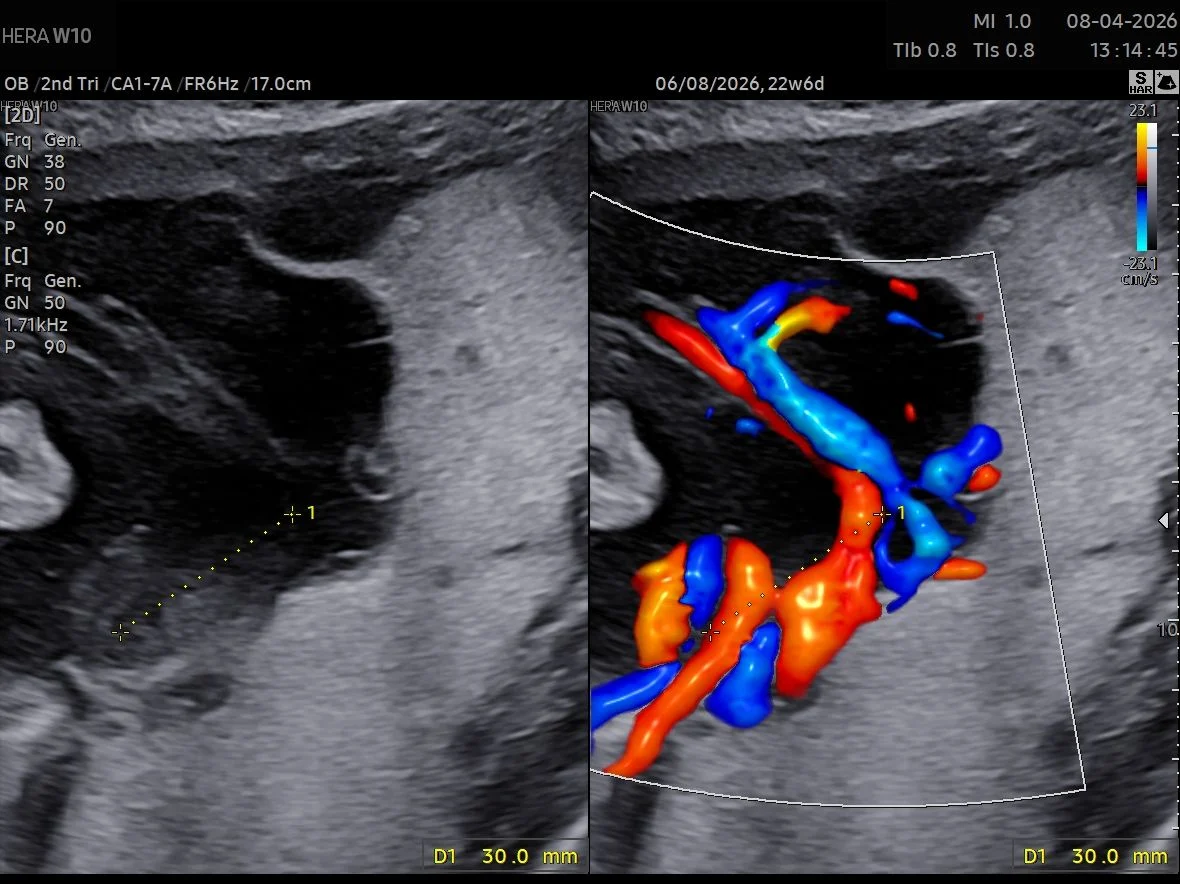
Below is a a case of MCMA twins with PCI. Note also the large AA anastomoses between both cords with characteristic bidirectional blood flow.”
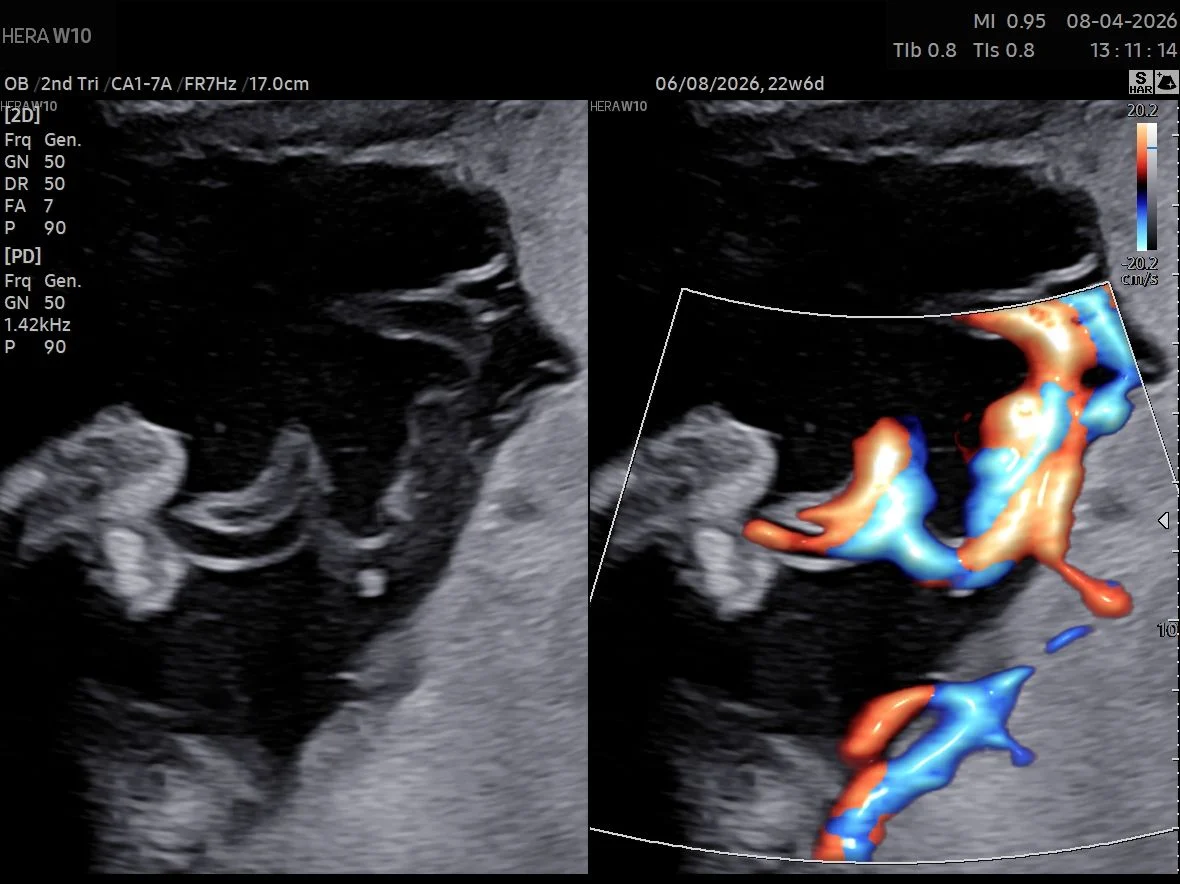
Proceed to the video attached to the post.
Stay updated on all scientific advances in the field of fertility with Fertility News.
-
Sep 13, 2026, 15:11Sachintha Alwis: From Impaired Sperm Motility to Microrobotics
-
Sep 13, 2026, 15:08Laurence Orbuch: Before Endometriosis Surgery, Ask…
-
Sep 13, 2026, 15:05Ademola Ayodele: IUI, IVF or Egg Freezing – Which One Is Right for You?
-
Sep 13, 2026, 14:59Fiona Pathiraja-Møller: Tennis Players No Longer Have to Choose Between Career and Family
-
Sep 13, 2026, 14:571-Day Virtual Experience for People Impacted by PMOS – PCOS Awareness Association
-
Sep 13, 2026, 14:53Ozor Victor: Behind Every Embryo Is a Story of Science, Precision, and Hope
-
Sep 13, 2026, 14:50Diana Kayal: What They Don’t Tell You About IVF
-
Sep 13, 2026, 14:44Vikram Sinai Talaulikar: A Heartfelt Thank You to All Who Donated and Supported “Menopause and Cancer”
-
Sep 13, 2026, 14:41Nicole McPherson: Changing IVF Practices Is Hard – Integration Needs to Be Easy