

Eric Lameignere: PICSI vs. ICSI in Patients with Abnormal Sperm Morphology
Eric Lameignere, Co-Founder of MovaLife Microrobotics, shared a post on LinkedIn about a paper by Hoan Phuc Nguyen et al. published in Clinical and Experimental Reproductive Medicine:
“PICSI vs ICSI in Patients with Abnormal Sperm Morphology: What Does This New Vietnamese Study Tell Us?
A retrospective study conducted at the Hanoi Medical University Hospital compared the effectiveness of Physiological ICSI (PICSI) and conventional ICSI in 246 couples where the male partner presented abnormal sperm morphology (lt;4% normal forms according to WHO 2021 criteria).
Study Design: The investigators analyzed 246 assisted reproduction cycles, divided into two matched groups (123 PICSI vs. 123 ICSI). Matching was performed using key factors known to influence ART outcomes, including female age, AMH level, and antral follicle count. The study assessed both embryological outcomes (fertilization, blastocyst development, embryo quality) and clinical outcomes following frozen day-5 blastocyst transfer.
No statistically significant differences were observed between the two approaches. Fertilization rates were comparable (88.6% for PICSI vs. 91.4% for ICSI), as were day-5 blastocyst formation rates (63.1% vs. 67.0%) and high-quality blastocyst rates (44.9% vs. 40.7%). Clinical outcomes followed the same pattern, with no significant differences in clinical pregnancy, implantation, ongoing pregnancy, or live birth rates. Subgroup analyses based on maternal and paternal age likewise failed to demonstrate any significant advantage of PICSI over conventional ICSI.
This real-world study suggests that the routine use of PICSI in patients with abnormal sperm morphology does not provide a measurable benefit over conventional ICSI. However, the authors highlight the absence of sperm DNA fragmentation testing, which may be a key factor in identifying patients who could potentially benefit from physiological sperm selection. Future prospective studies incorporating DNA fragmentation assessment are therefore warranted.
At MovaLife microrobotics, we favor gamete selection methods that reproduce natural physiological mechanisms as closely as possible. Our objective is twofold: to select cells with the highest reproductive potential while minimizing interventions that may compromise their biological integrity. This philosophy aligns with a growing trend in reproductive medicine, where success is measured not only by clinical outcomes, but also by preserving the natural biology of gametes and embryos throughout the IVF process.”
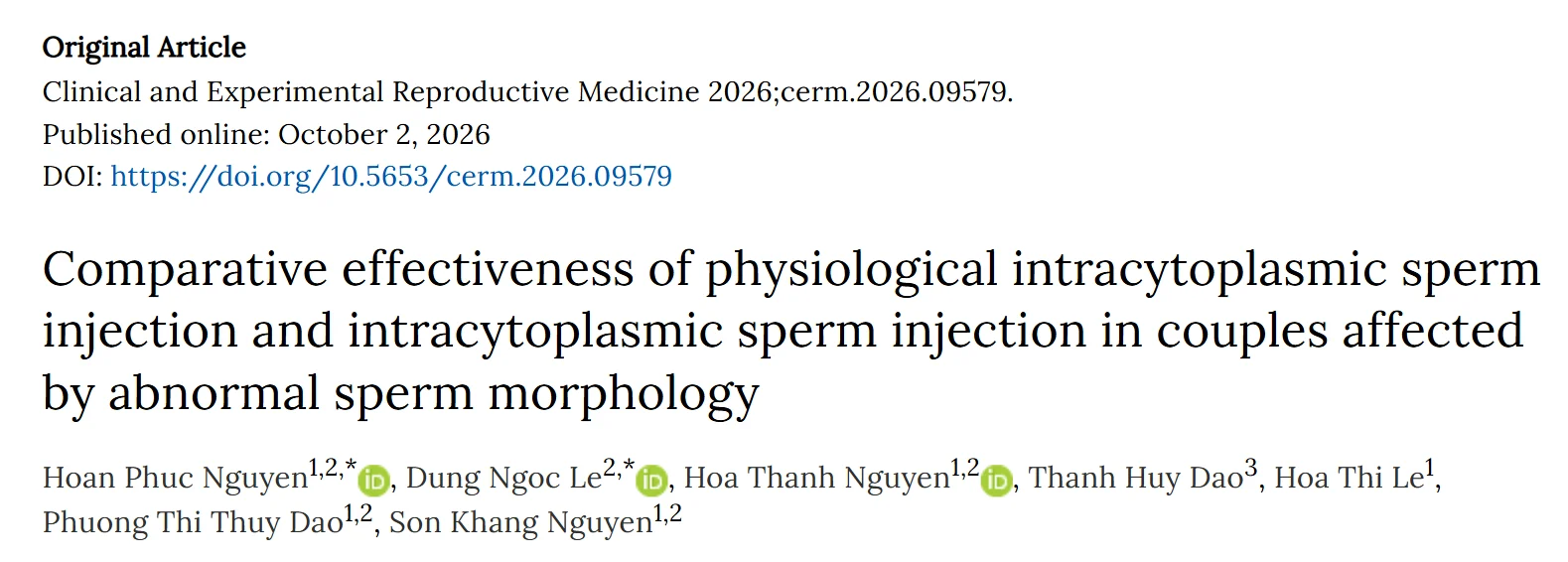
Title: Comparative effectiveness of physiological intracytoplasmic sperm injection and intracytoplasmic sperm injection in couples affected by abnormal sperm morphology
Authors: Hoan Phuc Nguyen, Dung Ngoc Le, Hoa Thanh Nguyen, Thanh Huy Dao, Hoa Thi Le, Phuong Thi Thuy Dao, Son Khang Nguyen
You can read the Full Article in Clinical and Experimental Reproductive Medicine.
Other articles featuring Eric Lameignere on Fertility News.
-
Oct 17, 2026, 16:462 Weeks To Contribute to the FIGO Montréal 2027 Programme
-
Oct 17, 2026, 16:45Pauliina Valpas: 2nd Reflection from the AIFertility Conference
-
Oct 17, 2026, 16:44Barb Collura: “Advocacy 101” Master Class Workshop at the ASRM Congress
-
Oct 17, 2026, 16:41Pregnancy and Infant Loss Awareness Month – Egg Donor and Surrogate Solutions
-
Oct 17, 2026, 16:38Mauro Francesco Pio Maiorano: Why Fertility Preservation Matters Before Gonadotoxic Treatment
-
Oct 17, 2026, 16:36Felicity Jehu-Appiah: Exploring Fertility Treatment Abroad?
-
Oct 17, 2026, 16:33Stanka Matic: Reproductive Health Is Overall Health
-
Oct 17, 2026, 16:30How Do You Scale a Fertility Business While Keeping Its Purpose? – The International Fertility Forum
-
Oct 17, 2026, 16:29Emily S. Jungheim Receives Excellence in Research and Innovation Award – Loyola University Chicago Stritch School of Medicine