
Can You Get Pregnant After Chemotherapy? Fertility and Pregnancy After Cancer
Chemotherapy can affect fertility, but it does not always mean that having children is no longer possible. Many cancer survivors go on to conceive naturally, while others may need fertility treatment or assisted reproductive techniques such as in vitro fertilization (IVF).
For women, chemotherapy can damage ovarian follicles, reduce egg supply, and sometimes cause early menopause. In men, it can temporarily or permanently affect sperm production. The likelihood of recovery depends on age, the medications used, and the intensity of cancer treatment.
Understanding how chemotherapy affects fertility, when pregnancy may be safe, and what reproductive options are available can help patients make informed decisions before and after cancer treatment.
Can You Get Pregnant After Chemotherapy?
Yes, pregnancy after chemotherapy is possible, and some women conceive naturally after completing cancer treatment. However, chemotherapy can temporarily or permanently affect ovarian function, reducing the number of available eggs and making pregnancy more difficult.
Chemotherapy can damage ovarian follicles, which contain immature eggs. Some women experience irregular or absent menstrual periods during treatment, followed by a gradual return of ovarian function. Others develop a lasting reduction in ovarian reserve or premature ovarian insufficiency (POI), a condition in which the ovaries stop functioning normally before age 40 (National Cancer Institute).
Age is one of the strongest factors influencing fertility after chemotherapy. Younger women generally have a larger ovarian reserve and a greater chance of recovery. However, the risk also depends on the type and dose of chemotherapy and whether treatment included pelvic radiation or surgery involving reproductive organs.
Importantly, having regular periods after chemotherapy does not guarantee normal fertility. Similarly, pregnancy may still be possible when periods have not returned, because ovulation can occur before the first menstrual period.
For women hoping to conceive, an assessment by an oncologist and fertility specialist can help establish whether ovarian function has recovered and when it may be appropriate to begin trying.
How Does Chemotherapy Affect Fertility in Women and Men?
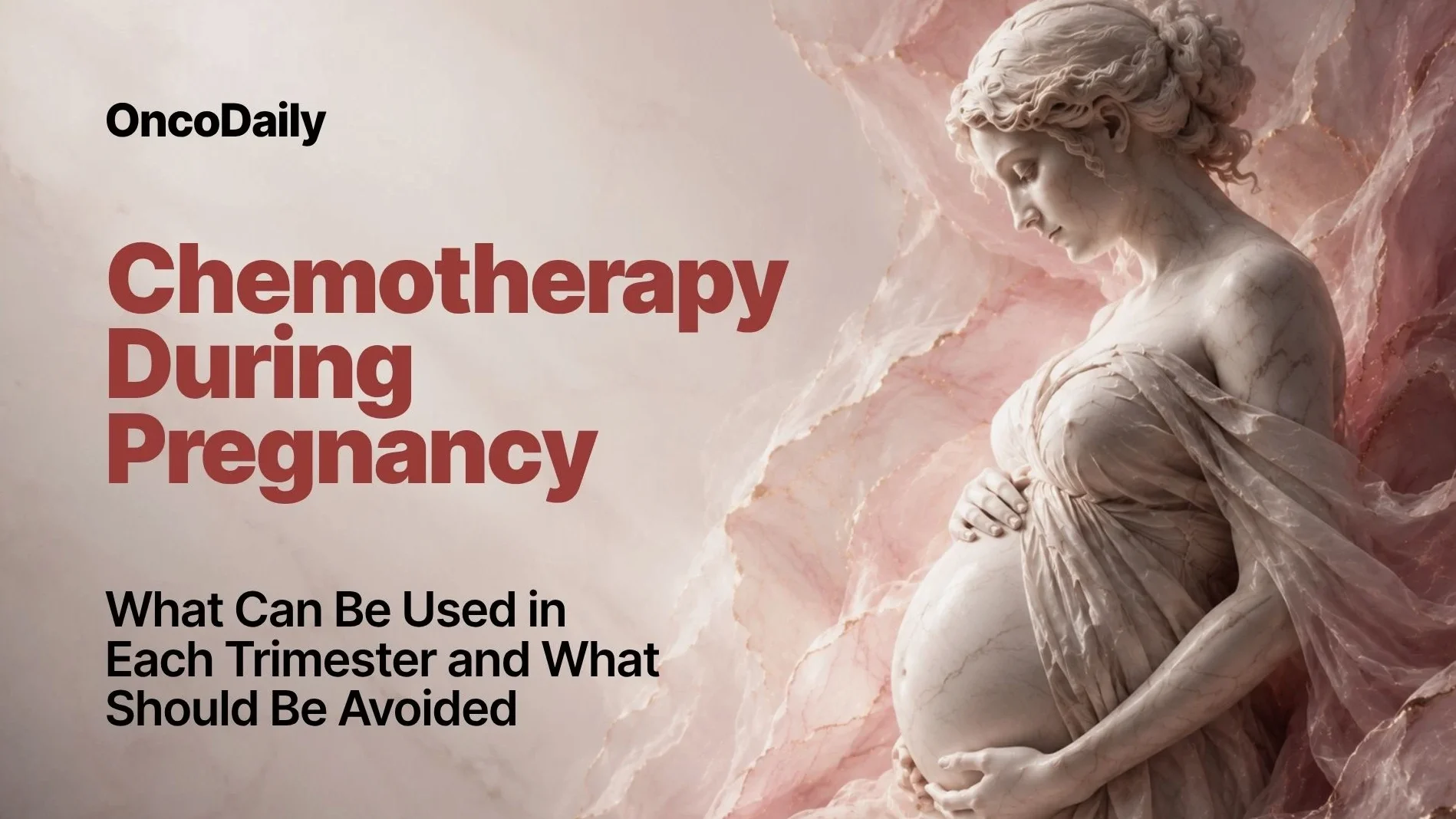
Chemotherapy primarily targets rapidly dividing cancer cells, but some medications can also damage healthy reproductive tissues. The effects differ between women and men because eggs and sperm develop and are maintained differently.
In women, chemotherapy can damage developing follicles and deplete the remaining ovarian reserve. This may lead to menstrual irregularities, reduced fertility or premature ovarian insufficiency. The risk increases with age and exposure to highly gonadotoxic medications (Meirow et al., 2010).
In men, chemotherapy can damage spermatogonia, the cells responsible for producing sperm. This may result in a lower sperm count, reduced sperm motility or azoospermia, meaning no sperm are present in the semen. Sperm production may recover after treatment, but permanent infertility is possible.
The risk also varies by chemotherapy drug:
- Alkylating agents, including cyclophosphamide, busulfan and procarbazine, are associated with a high risk of reproductive damage.
- Platinum-based drugs, such as cisplatin, can affect ovarian function and sperm production.
- Anthracyclines, taxanes and antimetabolites may also affect fertility, although their effects depend on the treatment regimen and cumulative dose.
Not every patient receiving these medications will become infertile. However, patients should be informed about possible reproductive effects before starting treatment, particularly when future parenthood is important to them (Su et al., 2025).
Can Fertility Return After Chemotherapy?
Fertility may return after chemotherapy, but recovery is not always complete. Some people regain reproductive function within several months, while others may need years or experience permanent fertility problems.
In women, menstrual cycles and ovulation may resume after treatment. However, even when periods return, the ovarian reserve may remain considerably lower than before chemotherapy. This means a woman may be able to conceive but have a shorter reproductive window or experience menopause earlier than expected.
In men, sperm production may gradually recover if enough sperm-producing stem cells survive chemotherapy. Recovery can take months or years, particularly after intensive treatment. Some men continue to have very low sperm counts or persistent azoospermia (Cancer Research UK).
Fertility testing can help assess reproductive recovery. For women, doctors may recommend anti-Müllerian hormone (AMH) testing, follicle-stimulating hormone (FSH), estradiol measurements and an ultrasound to assess antral follicle count (AFC). For men, semen analysis is the main investigation.
These tests provide useful information, but they have limitations. In particular, AMH and AFC help estimate ovarian response to fertility treatment rather than reliably predicting the possibility of natural pregnancy (ASRM, 2020).
Patients who wish to have children after chemotherapy do not necessarily need to wait until they have difficulty conceiving to seek fertility advice.
How Long After Chemotherapy Can You Get Pregnant?
There is no single waiting period that applies to everyone after chemotherapy. Some clinicians recommend waiting at least six months after treatment, while others advise a longer interval depending on the cancer diagnosis, recurrence risk, and medications received (American Cancer Society).
Waiting allows time for recovery after chemotherapy and reduces the possibility of conceiving with eggs that were exposed to cytotoxic treatment. However, the timing of pregnancy also depends on whether additional cancer treatment is needed.
For women who have had breast cancer, a waiting period of approximately two years is sometimes recommended to allow monitoring for early recurrence. This is not a universal requirement, and current research has not shown that pregnancy after appropriately treated breast cancer increases recurrence risk (Lambertini et al., 2021).
Some patients also require ongoing hormonal therapy, targeted therapy or other medications that are unsafe during pregnancy. These treatments may require a specific washout period before conception.
Pregnancy after cancer treatment is often safe, but previous treatments may affect reproductive organs or cardiovascular health. Women who received pelvic radiation or potentially cardiotoxic chemotherapy may benefit from additional evaluation before pregnancy.
Patients should discuss pregnancy timing with their oncology team and avoid stopping cancer medications independently.
How Can You Preserve Fertility Before Chemotherapy?
Fertility preservation offers patients the opportunity to protect reproductive options before cancer treatment affects egg or sperm production. Ideally, these discussions should happen as soon as possible after diagnosis, before chemotherapy begins.
Several established fertility preservation methods are available.
Egg freezing (oocyte cryopreservation) involves stimulating the ovaries, retrieving mature eggs and freezing them for future use. Ovarian stimulation typically takes approximately 10–14 days. This option does not require partner or donor sperm at the time of preservation.
Embryo freezing follows a similar process, but the retrieved eggs are fertilized with sperm before freezing. Both egg and embryo cryopreservation are established methods, although neither guarantees future pregnancy.
Ovarian tissue cryopreservation involves removing and freezing a small amount of ovarian tissue containing immature follicles. The tissue may later be transplanted to restore ovarian function and potentially fertility. This method is particularly important for prepubertal girls and patients who cannot delay cancer treatment for ovarian stimulation. However, transplantation may not be appropriate for certain cancers because of the possibility of reintroducing malignant cells.
For men, sperm banking is the standard approach. Semen samples are collected and frozen before chemotherapy for future use in assisted reproduction. In boys who have not reached puberty, testicular tissue cryopreservation remains experimental and is generally limited to clinical trials.
The 2025 American Society of Clinical Oncology (ASCO) guideline recommends early fertility counseling and access to preservation methods for patients at risk of treatment-related infertility (Su et al., 2025).
Even when treatment must begin urgently, referral to an oncofertility specialist may help identify available options without unnecessarily delaying cancer care.
Can IVF Help You Get Pregnant After Chemotherapy?
IVF can help some cancer survivors become pregnant, particularly when chemotherapy has reduced ovarian function or natural conception has become difficult.
If the ovaries still produce eggs, IVF may involve hormonal stimulation, egg retrieval, fertilization in the laboratory and transfer of an embryo into the uterus. However, women with reduced ovarian reserve may produce fewer eggs during stimulation, which can affect treatment outcomes.
Patients who froze eggs or embryos before chemotherapy may use them after cancer treatment when pregnancy is considered medically appropriate. Previously frozen eggs can be thawed and fertilized, while frozen embryos can be thawed for transfer.
For women who experience severe ovarian damage or premature ovarian insufficiency, IVF with donor eggs may provide another option. This can allow pregnancy even when the ovaries no longer produce usable eggs, provided the uterus can safely support a pregnancy.
Before starting IVF, a fertility specialist will usually assess ovarian reserve, uterine health, and any other factors that may affect treatment success. Previous pelvic radiation or surgery may require particular attention.
IVF success depends on several factors, especially age at egg retrieval, embryo quality and uterine health. Ovarian reserve tests can help estimate the number of eggs likely to be obtained, but they cannot guarantee pregnancy (ASRM, 2020).
For many cancer survivors, fertility treatment offers a possible path to parenthood. The most appropriate approach depends on the reproductive options available, previous cancer treatment, and individual health.
Written by Marine Marachlian, MD
FAQ
Can you get pregnant naturally after chemotherapy?
Yes. Natural pregnancy is possible if ovarian function and ovulation recover after treatment. However, the chances depend on age, chemotherapy regimen and remaining ovarian reserve.
Does chemotherapy always cause infertility?
No. Some people experience temporary fertility problems, while others develop permanent infertility. The risk depends on the type and dose of chemotherapy, age and reproductive health before treatment.
Can you get pregnant if your periods stop after chemotherapy?
Yes, pregnancy may still be possible because ovulation can occur before menstrual periods return. However, absent periods may also indicate reduced ovarian function or premature ovarian insufficiency.
How long should you wait to get pregnant after chemotherapy?
Some clinicians recommend waiting at least six months, while others advise longer depending on cancer type, recurrence risk and ongoing treatment. The safest timing should be determined with the oncology team.
Can IVF help if chemotherapy has damaged your ovaries?
Yes. IVF may be possible using eggs produced after treatment, previously frozen eggs or embryos, or donor eggs. Success depends on ovarian function, age at egg retrieval, embryo quality and uterine health.
-
Oct 16, 2026, 19:56Dina Ibrahem: Poor ICM vs. Poor TE
-
Oct 16, 2026, 19:47Sean Lauber: NIPT and Amniocentesis after PGT-A Reveal Few Abnormalities
-
Oct 16, 2026, 19:42Devyanshi Dixit: C-Section vs. Vaginal Birth – 2 Birth Paths, 2 Very Different Recoveries
-
Oct 16, 2026, 19:32Pawel Kordowitzki: Maternal Vitamin D Homeostasis, Pregnancy Outcomes and Offspring Health
-
Oct 16, 2026, 19:13Shizuko Takahashi: Our Study on Women’s Experiences of Assisted Reproductive Care in China Has Been Accepted by RBMO
-
Oct 16, 2026, 19:09ESHRE Announces ECRES-GESEA Reproductive Surgery Training and Certification in Slovenia
-
Oct 16, 2026, 18:20Kabita KB: What Happens if PLCZ1 Is Defective?
-
Oct 16, 2026, 18:12Partha Sarathi Das: From Reproductive Lifespan to Reproductive Healthspan
-
Oct 16, 2026, 18:05Joyce Harper: It Was a Pleasure to Give 2 Talks Celebrating World Menopause Day